

Marijuana Grow Supplies
Great grows don’t happen by accident. Adequate supplies make all the difference, turning a simple setup into a serious harvest. Here you will find what every grower needs to get it right from the start.
The Right Supplies for a Successful Cannabis Grow
Starting your own cannabis grow takes more than good seeds. You need the right tools, a solid setup, and a basic understanding of how to support plants from seedling to harvest. Your grow space should include reliable grow lights, a growing medium that fits your style, and a setup that keeps air moving so your plants stay healthy.
The process can look complicated at first, but most new growers pick it up quickly once they have the right gear. From managing larger plants to keeping flowering plants on track, every piece of equipment helps your cannabis plants reach their potential. This guide walks you through the essentials of marijuana grow supplies so you can confidently grow your own weed indoors, no matter what size grow you’re aiming for.
Lighting: A Crucial Power in Every Grow
Light is one of the most important elements in cannabis cultivation. It’s the source of energy that enables photosynthesis, driving plant growth and resin production from the first sprout to final harvest. Whether indoors or out, replicating the sun with the right grow lights is essential.
So, choosing the right lighting setup isn’t just about brightness; it’s about delivering the crucial power your cannabis plants need, with efficiency, precision, and control.
Smart Lighting Choices for Stronger Grows
Prioritize energy-efficient solutions: LED grow lights are ideal for indoor environments. They consume less power, emit less heat, and simplify cooling and airflow management, making them perfect for growers at any level.
- Invest in quality: Reliable lighting pays off. High-quality fixtures deliver the right spectrum, intensity, and lifespan—avoiding the pitfalls of cheaper options that may lack consistency or overheat your space.
- Design for airflow and light synergy: Hang lights at optimal heights and maintain good air circulation. Reflective walls can boost efficiency by directing more light to your canopy.
- Cover your grow space effectively: Your lighting system should match the size of your space, providing full coverage and the right intensity for uniform growth.
- Set the right light schedule:
- Photoperiod strains thrive with about 18 hours of light in the vegetative stage and 12 hours during flowering.
- Autoflowers don’t require a switch to 12/12, but they still benefit from steady light (typically 18/6 or 20/4).
- Manage heat and intensity: Even LEDs generate heat. Keep lights at the correct distance to avoid light burn or heat stress, especially during peak growth.
Lighting Tips for Outdoor Grows
Maximize sunlight by choosing a spot with full-day exposure. Be mindful of seasonal shifts—shorter days can trigger early flowering in photoperiod varieties. If needed, extend daylight with supplemental lighting or start seedlings indoors to get a strong head start. Smart light planning outdoors sets the stage for bigger, better yields.
Nutrients & Supplements: Fueling Healthy Cannabis Growth
To reach their full genetic potential, cannabis plants need more than just soil, water, and light. They require a well-balanced supply of nutrients.
A proper feeding strategy not only drives vigorous growth and resin production but also helps plants resist pests and diseases, so understanding how to deliver the right fertilizers at the right time is key to cultivating strong, resilient plants.
Smart Feeding for Stronger Plants
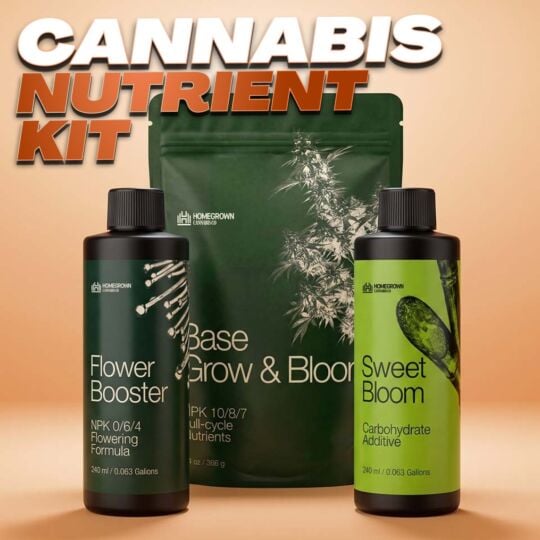
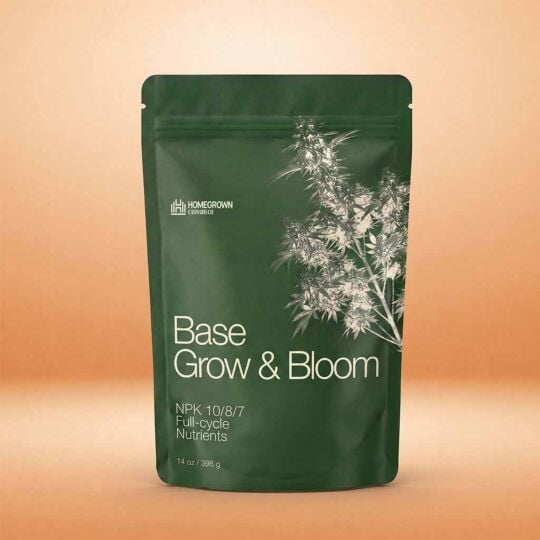
- Provide a complete nutrient profile: Cannabis relies on a steady supply of macronutrients (nitrogen, phosphorus, potassium) and essential micronutrients like calcium, magnesium, sulfur, manganese, and boron.
- Pick cannabis-specific nutrients: Skip the generic plant food and use nutrients made for cannabis. Beginners should start with affordable, easy-to-use options to build confidence and avoid overcomplicating.
- Match nutrients to growth stage and medium: Nutrient needs change between the vegetative and flowering stages. Soil, coco coir, and hydro systems each demand different feeding strategies, so you must adapt accordingly.
- Start simple if you’re new: Pre-fertilized soil and moderate feeding routines offer a more forgiving path for beginners than jumping into high-demand hydroponic setups.
- Watch for signs of imbalance: Nutrient burn and deficiencies can arise quickly, especially with strong lighting or custom mixes. Regular observation helps you catch problems early.
- Use supplements strategically: Boosters like enzymes, microbes, or bloom enhancers can support growth, but they should only be added once your core nutrient plan is dialed in. Think of them as extras, not replacements.
- Go easy on seedlings: Young plants are sensitive. Most don’t need additional feeding in the early days, and overdoing it can stunt growth or cause nutrient toxicity.
The Right Growing Medium
Your growing medium sets the foundation for how your weed seeds develop, affecting everything from root health to nutrient uptake. Whether you're aiming for simplicity or full control, each option has unique advantages.
- Soil: The most beginner-friendly medium. A quality compost-mixed soil provides natural nutrients and buffering capacity, making it easier to manage feeding and pH. Coco Coir: Made from coconut husks, coco offers excellent drainage and root aeration. It’s inert, so nutrients must be added, but it gives growers more control than soil.
- Hydroponics: A soil-free system using water and nutrients to feed plants directly. It requires precision but can deliver faster growth and higher yields.
- Soilless Mixes: These blends (often peat-based with perlite or vermiculite) are lightweight and well-draining. Like Coco, they need a full nutrient regimen from the start.
Each medium has its learning curve. That means you must choose one that fits your grow style, experience level, and environment.
Ventilation and Odor Control Essentials
Maintaining proper ventilation is fundamental in any grow environment. Good airflow helps regulate humidity levels, stabilize your climate, and prevent mold, while effective odor control ensures discretion. Here’s how key tools can support a healthy, low-profile grow:
- Clip-On Fans
Compact and easy to position, clip-on fans provide localized airflow around plants. They help strengthen stems and reduce stagnant air pockets where moisture—and mold—can build up.
- Oscillating Fans
These fans move air more broadly and evenly across the grow setup. By circulating air throughout the canopy and lower levels, they help maintain consistent temperature and humidity while preventing hotspots. - Inline Fans
These powerful duct fans are the backbone of an exhaust system. They remove hot, humid air from your cultivation space, enabling better microclimate regulation and supporting the effectiveness of carbon filters.
- Carbon Filters
Essential for odor control, carbon filters trap and neutralize the aromatic compounds cannabis releases during flowering. When paired with an exhaust system, they help scrub smells before air exits the grow area.
Additional tools like dehumidifiers, intake fans, or environmental controllers can further fine-tune your grow conditions, especially in sealed or high-output setups.
Why Containers Matter in Cannabis Growing
Containers aren’t just plant holders—they directly impact root development, moisture retention, and overall plant health. The type of container you choose can influence how well your medium drains, how oxygen reaches the roots, and how easy it is to manage your growing environment. Here's how the most common options compare:
Fabric Pots
- Made of breathable material that promotes natural air pruning of roots.
- Excellent drainage and oxygen flow prevent root circling and overwatering.
- Help regulate root zone temperature.
- May dry out faster—requires frequent watering.
Plastic Pots
- Affordable, widely available, and easy to clean.
- Retain moisture well, which can be helpful in dry places.
- Limited airflow to roots—can lead to root circling or overwatering if not monitored.
- Available in a range of sizes and shapes.
Air Pots
- Designed with perforated walls to maximize airflow and encourage air pruning.
- Promote vigorous root growth and nutrient uptake.
- Excellent drainage—ideal for fast-growing, high-yield plants.
- Typically, more expensive and may require more frequent watering.
Choosing the right container depends on your setup, climate, and how much control you want over watering and root health. For many indoor growers, fabric or air pots offer strong performance, especially when paired with the right medium and ventilation.
What Makes a Quality Grow Tent
Choosing the right grow tent means balancing size, durability, and your plants’ needs from seed to harvest. Prioritize strong frames, reflective interiors, and light-sealed fabric to maintain a stable, efficient cultivation setup. Features like multiple vents, waterproof bases, and observation windows make plant care more manageable.
If you're using hydroponics, ensure the tent can accommodate additional equipment, such as pumps and reservoirs. Height is key: your plants and lighting systems need ample room. Think of it as investing in a reliable space that shields your crop and promotes healthy development.