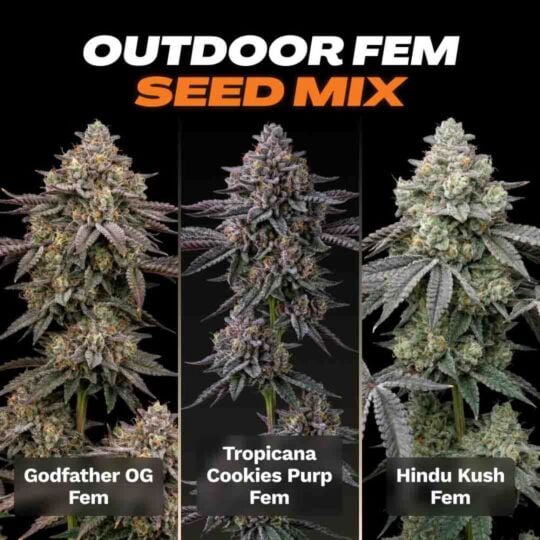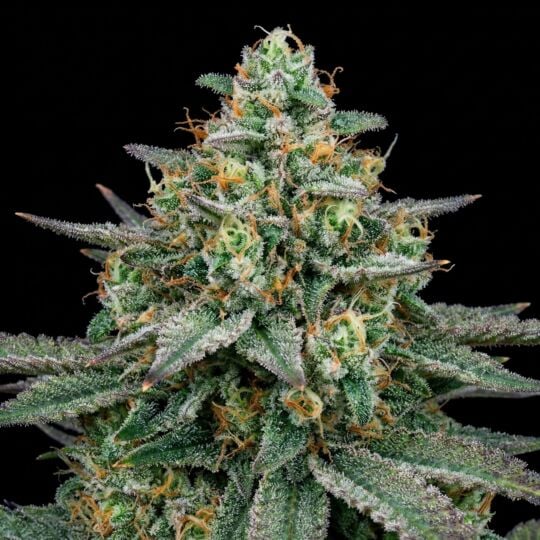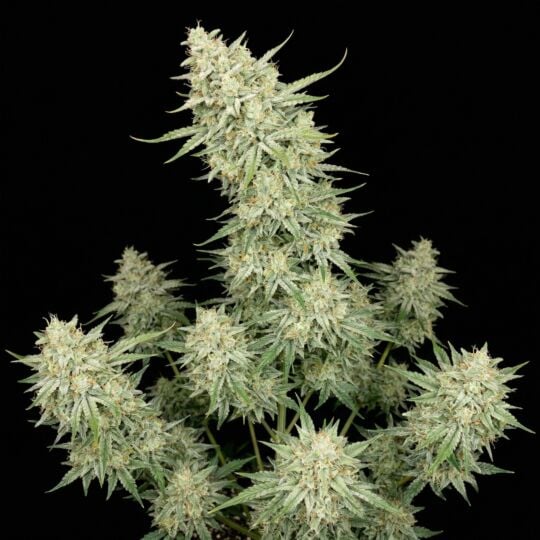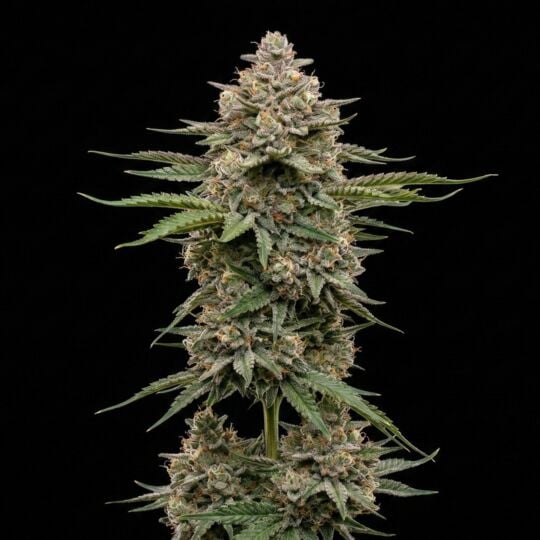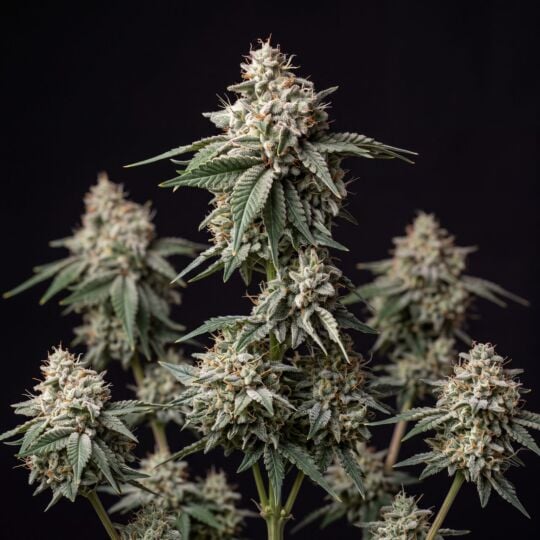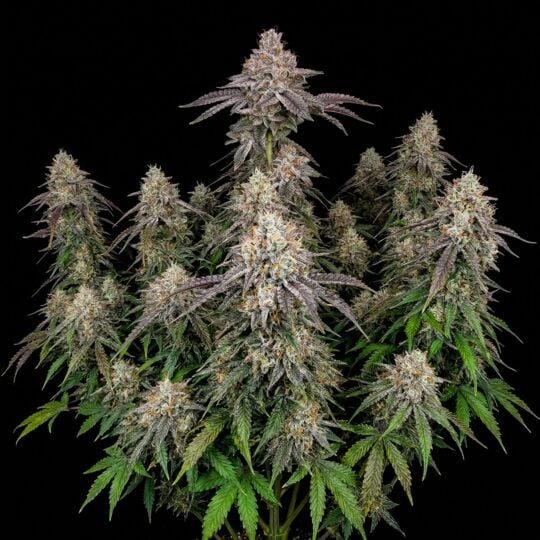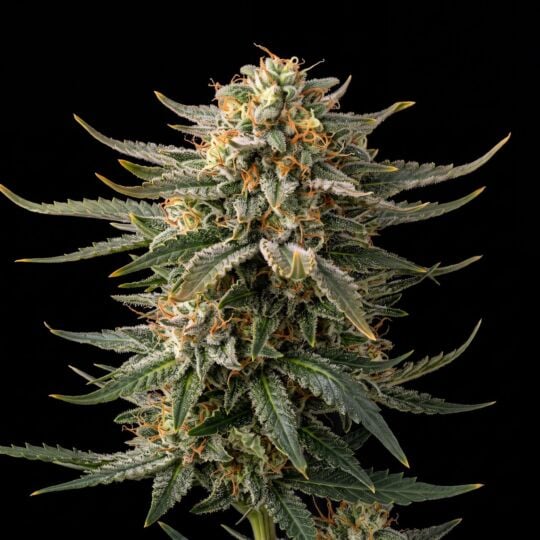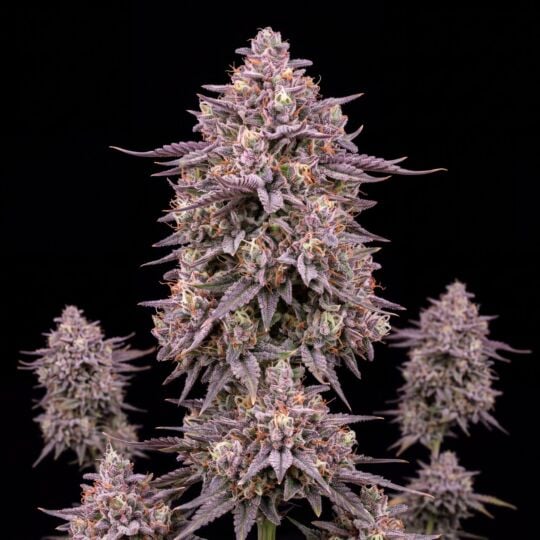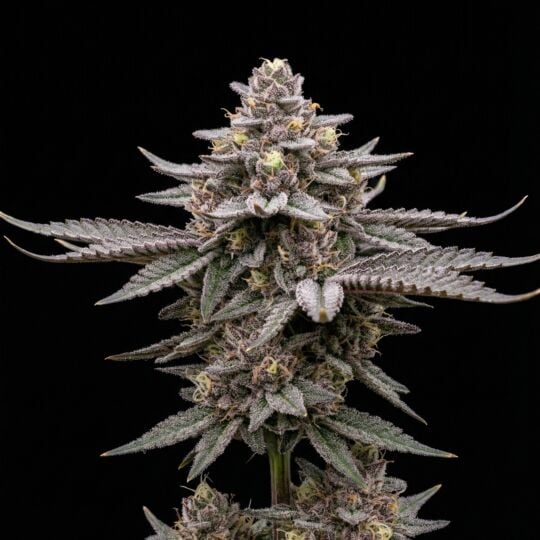
Outdoor Cannabis Seeds
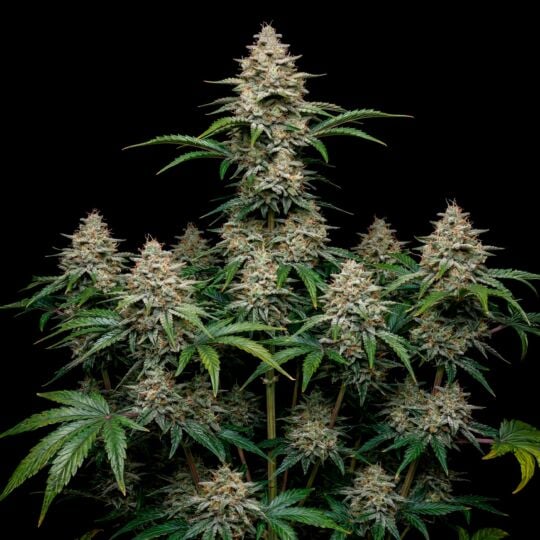
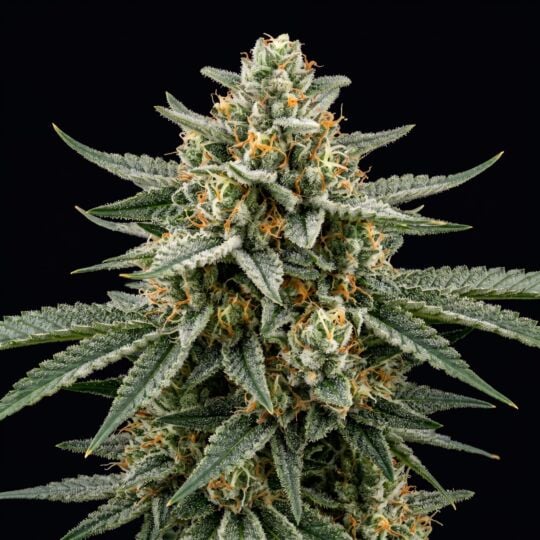
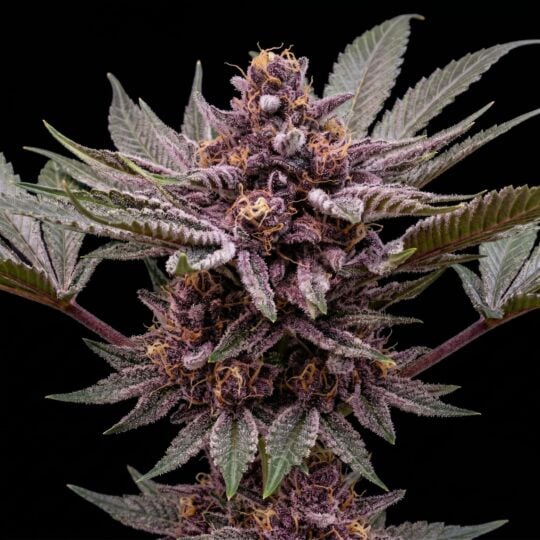
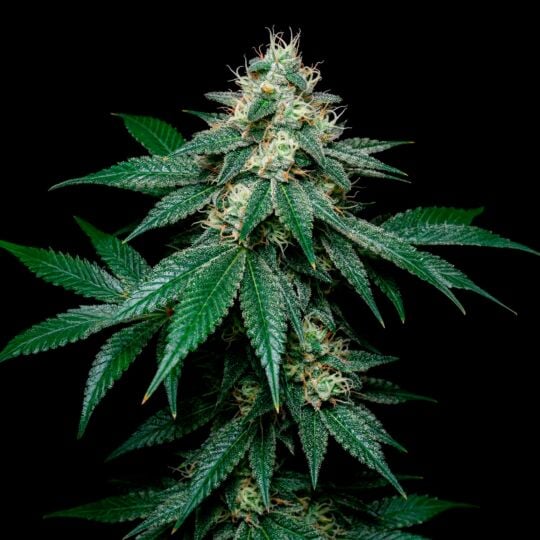
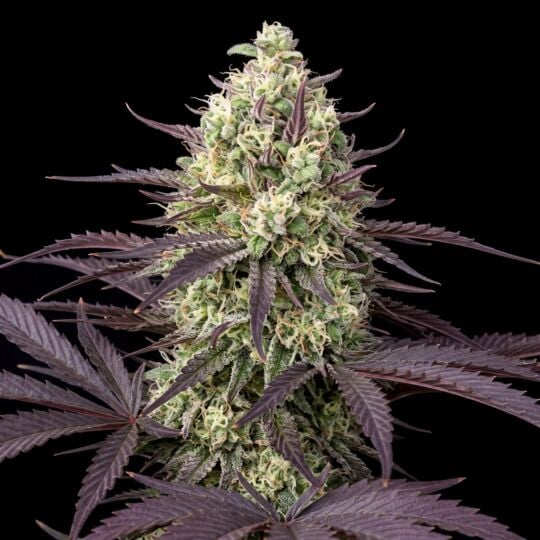
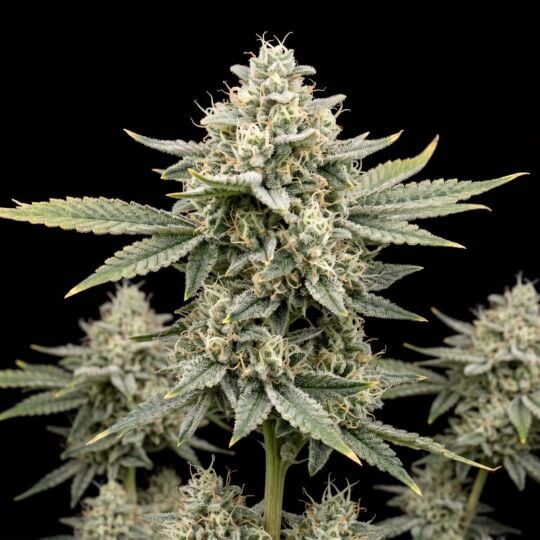
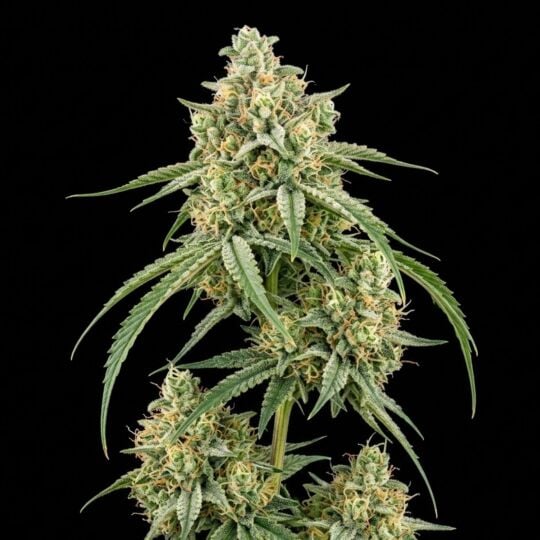
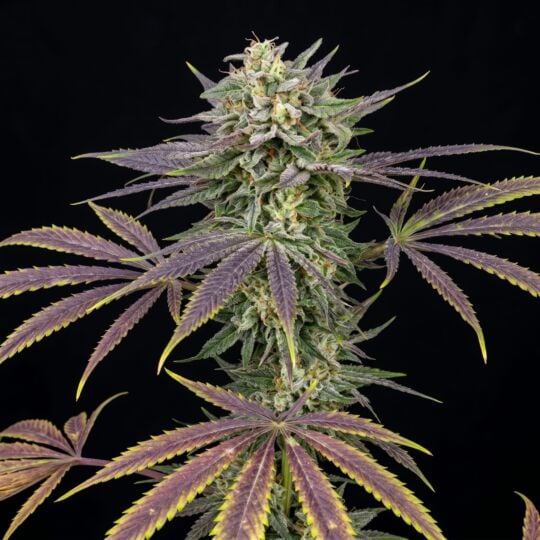
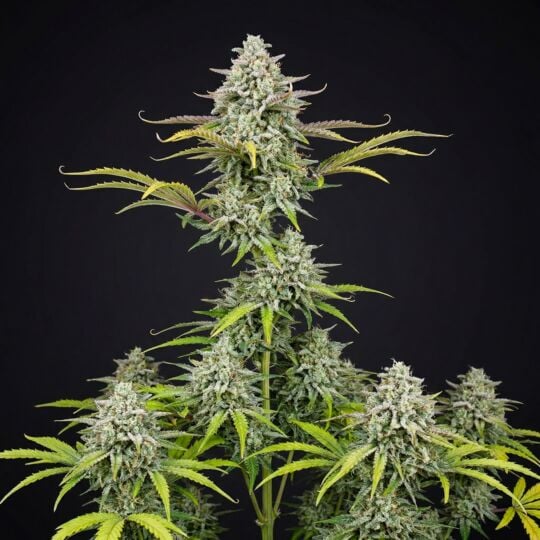
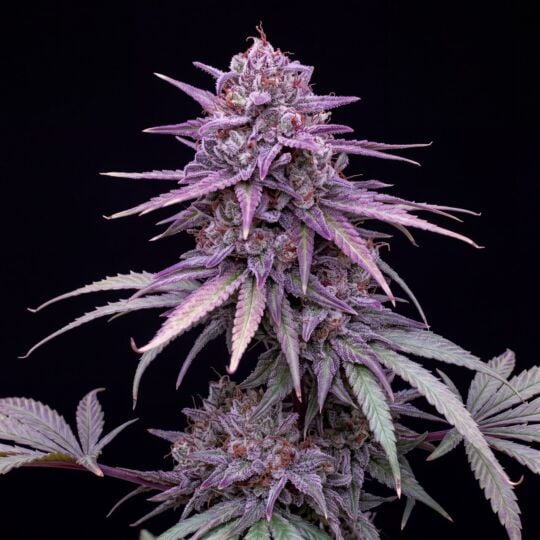
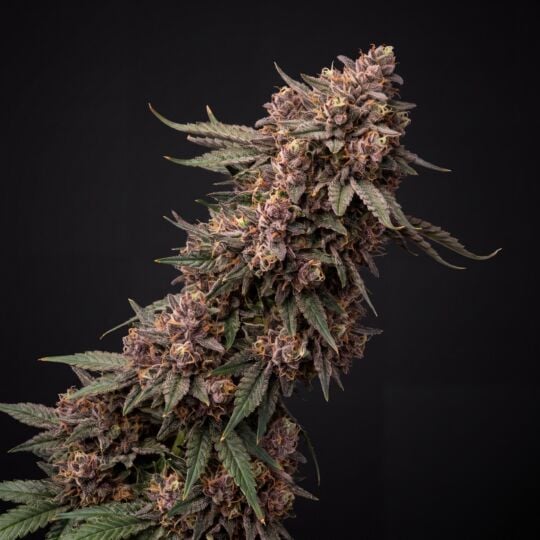
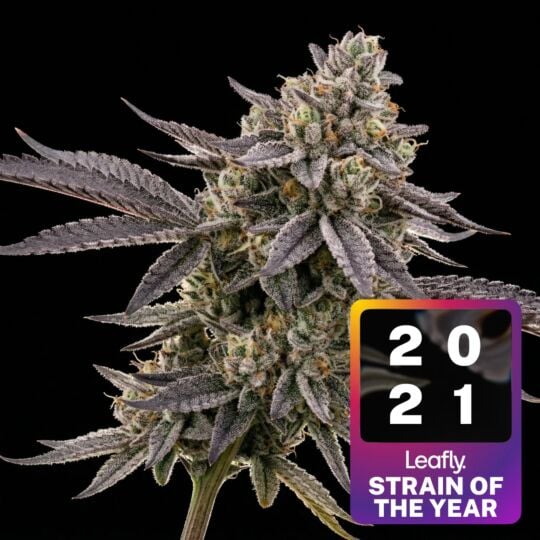
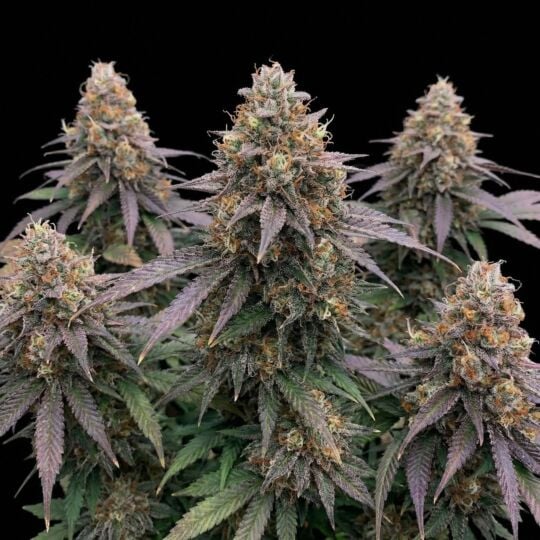
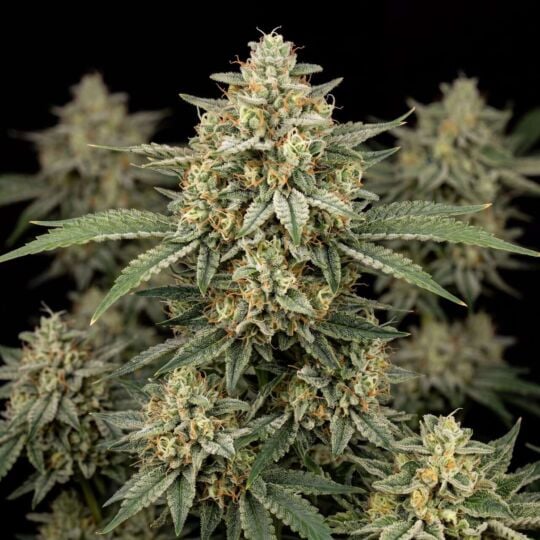
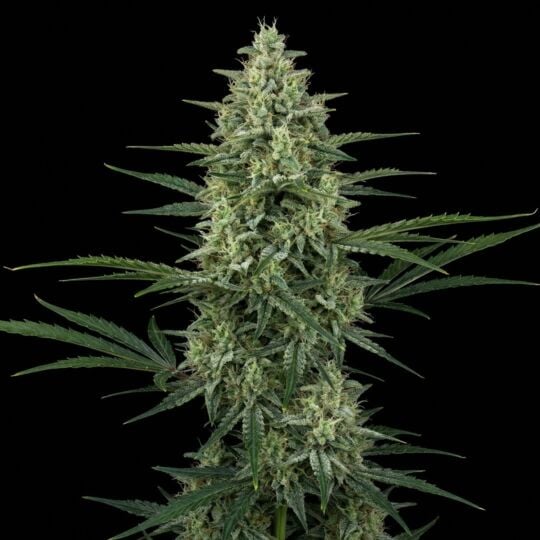
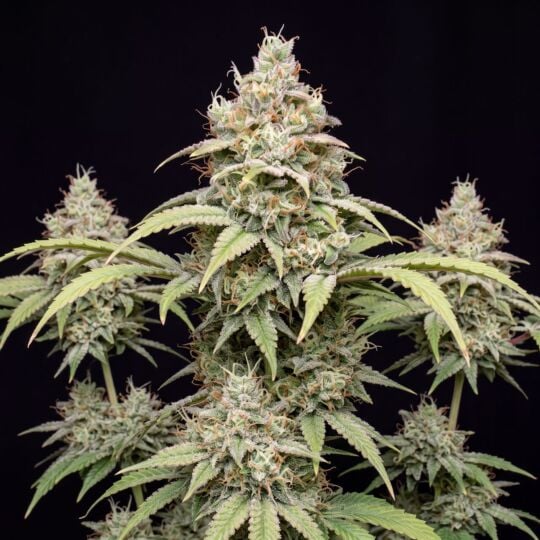
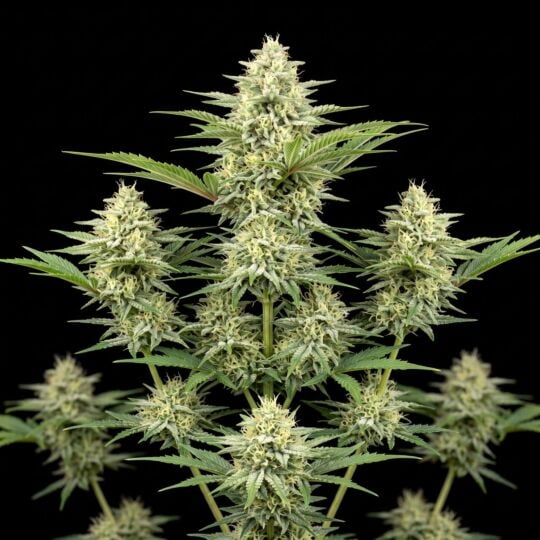
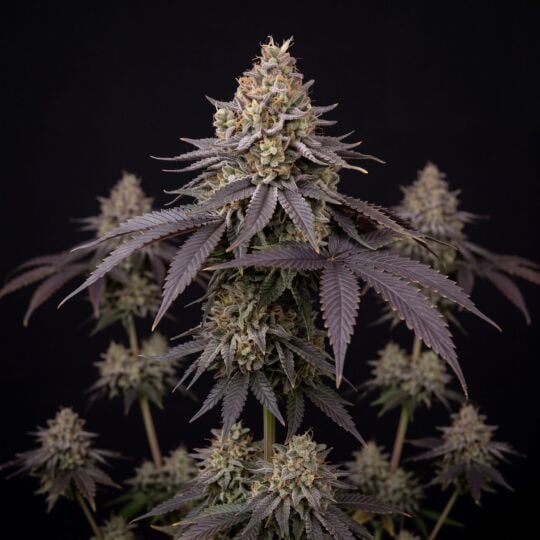
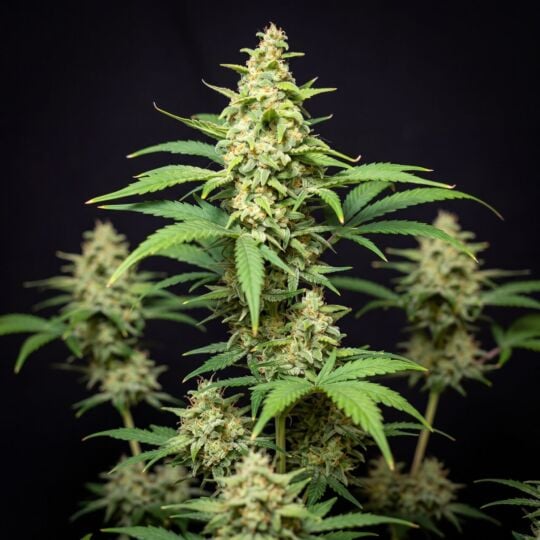
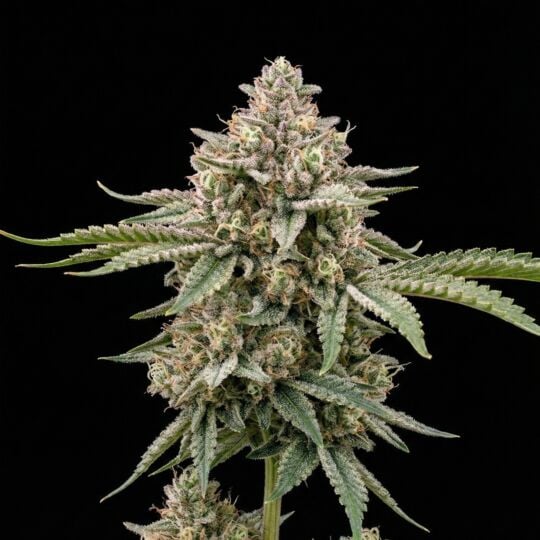
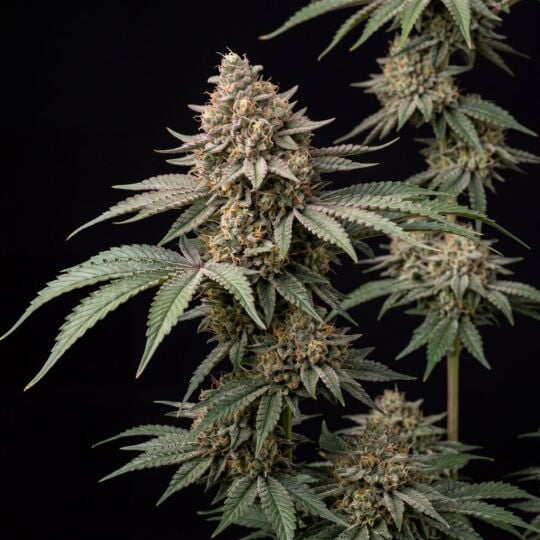
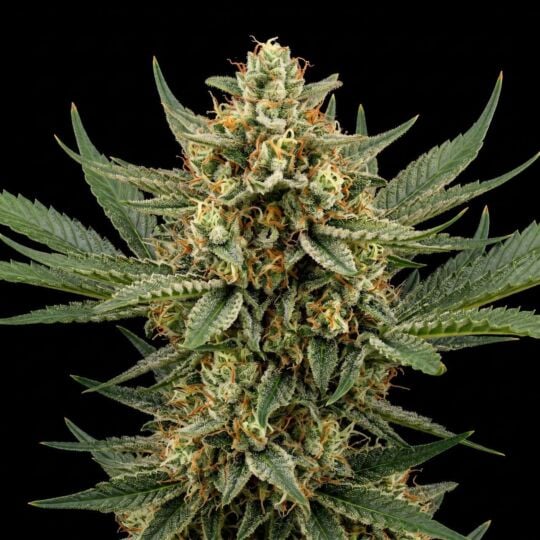
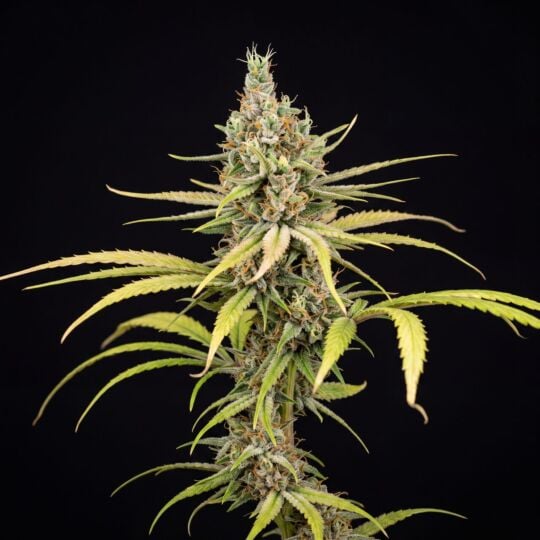
Outdoor cannabis seeds are perfect for growers who love letting nature do the work. These hardy strains flourish under the sun, adapting easily to different climates while producing big, flavorful harvests.
Why Choose Outdoor Cannabis Seeds
Outdoor cannabis seeds are bred for resilience, pest resistance, and optimal growth under natural sunlight. They allow plants to reach full genetic potential, producing larger, denser buds with rich flavors and aromas-all while reducing energy costs compared to indoor cultivation.
These are some of the reasons why so many beginners and experienced growers alike choose outdoor marijuana seeds over other options.
Genetic Resilience and Adaptability
Certain cannabis strains are better suited for outdoor cultivation due to genetic traits that enhance resilience and productivity. A critical factor is a strain's ability to withstand unpredictable weather fluctuations.
Hardy weed strains have been selectively bred to tolerate temperature swings, humidity changes, and varying light cycles. This resilience is often linked to their genetic lineage, with many of the best outdoor cannabis strains descending from landrace varieties that have adapted to specific geographic regions over centuries, developing natural defenses against local pests and unpredictable climate challenges.
Pest and Disease Resistance
Another key characteristic of top-tier outdoor cannabis seeds is their resistance to common pests and diseases. Outdoor gardens are susceptible to threats like spider mites, aphids, and powdery mildew.
Pest-resistant outdoor seeds are bred with natural defenses that help them thrive. Some produce aromatic terpenes that keep insects away, while others have leaf structures that make it harder for fungi to take hold, reducing the need for chemical pesticides. A strong plant structure, with thick cuticles and sturdy cell walls, also improves mold resistance and helps protect against mildew and other common issues.
Photoperiod Behavior and Flowering Timing
Photoperiod behavior is also significant for outdoor growing. Photoperiod cannabis seed plants are photosensitive, initiating their flowering stage in response to light cycle changes. They produce flowers with long periods of uninterrupted darkness, a signal of approaching autumn.
This natural timing aligns with outdoor growing. In contrast, autoflowering strains, with ruderalis genetics, flower based on age, not light exposure. They bud after a predetermined number of weeks, offering advantages for growers with short seasons or those wanting multiple harvests.
Benefits of Choosing the Best Outdoor Cannabis Seeds for Bigger Yields
Choosing the right outdoor cannabis seeds can make a big difference in both yield and quality. Let’s break down how this works for cannabis growers.
Larger Yields
A compelling reason to opt for outdoor marijuana seeds is the potential for larger yields. Under the full spectrum of natural sunlight, cannabis plants can reach their maximum genetic potential, resulting in taller, wider plants with more substantial and denser colas. The unrestricted root space also contributes to this increased growth, allowing the root system to expand and absorb more nutrients and water.
Cost-Effective
Eliminating the need for expensive artificial lighting, ventilation, and climate control significantly reduces operational costs. This makes outdoor cultivation an attractive option for both commercial growers and hobbyists. The lower energy footprint also appeals to environmentally conscious growers.
Harvest Quantity
The quality of sun-grown marijuana is often praised for its complex cannabinoid and terpene profiles. The natural light spectrum, including UV-A and UV-B rays, can stimulate the production of these compounds, resulting in a more flavorful, aromatic, and potent final product. The benefits of cultivating marijuana outdoors extend beyond harvest quantity to the overall quality and character of the cannabis.
How to Grow Outdoor Cannabis Seeds Successfully
Outdoor cannabis plants require an understanding of the unique needs of sun-grown plants. From selecting resilient cannabis strains to managing sunlight, water, and nutrients, careful planning can lead to healthy plants and abundant harvests.
Choosing the Right Cannabis Seeds
Successful outdoor cannabis cultivation starts with understanding the plant's needs. The most crucial step is choosing the right seeds for your environment.
Researching the best outdoor cannabis strains for your climate is essential. Consider the length of your growing season, sunlight intensity, and average temperature and humidity. Beginners should get a good head start with a forgiving and resilient strain.
Soil and Nutrient Setup
After selecting seeds, prepare the soil and establish a nutrient regimen. A well-draining, nutrient-rich soil mix is ideal for strong root growth and maintaining optimal plant health throughout the growing cycle.
Many outdoor cultivators create their own super soil, a pre-amended soil with all necessary nutrients for the plant's life cycle. This 'just-add-water' approach simplifies feeding.
Watering and Irrigation Tips
Effective watering and irrigation are paramount for success. Provide consistent moisture without overwatering to avoid root rot.
A drip irrigation system efficiently delivers water to the plant's base. For organic cultivation, mulching with straw or wood chips retains soil moisture and suppresses weeds.
Natural Training Methods
Natural training methods can maximize light exposure and produce high yields. Techniques like Low-Stress Training (LST) involve gently bending and tying down branches to encourage a more horizontal, bush-like shape.
This allows more light to penetrate the canopy, developing multiple large colas. Topping, removing the main apical stem, also promotes lateral growth. Super cropping involves carefully pinching and bending branches to increase nutrient flow and bud production.
Regional Growing Considerations
When growing outdoor cannabis, local climate and environmental conditions play a huge role in plant health and yield. Understanding regional factors like temperature, humidity, and seasonal changes helps growers choose the right outdoor strains and optimize their cultivation strategy.
Cool Climates and Short Growing Seasons
Different outdoor strains are adapted to specific environmental growing conditions. In cooler climates with shorter growing seasons, fast-flowering photoperiod strains or autoflower seeds are often the best choice.
These varieties mature quickly, completing their life cycle before the first frost. For growers in these regions, selecting hardy weed strains that tolerate lower temperatures is paramount.
Warm Climates and Extended Seasons
Warm climates with long growing seasons are ideal for sativa-dominant strains that need more time to mature. These plants can grow to enormous sizes and produce massive yields.
However, growers in hot, arid regions must conserve water and may need irrigation systems. Pest-resistant cannabis seeds are also a wise choice, as pests are more prevalent in warmer climates.
Temperate Zones and Balanced Conditions
Temperate zones offer flexibility for growing cannabis outdoors. Many of the best outdoor seeds are well-suited to these balanced growing conditions, allowing for experimentation with a wide range of genetics. However, be prepared for unexpected weather events like heatwaves or early frosts by choosing adaptable outdoor strains.
Maximizing Light Exposure
Maximizing light exposure is an effective way to boost outdoor cannabis yields. Your garden's orientation is crucial. In the Northern Hemisphere, a south-facing location gets the most direct sunlight. Proper spacing prevents plants from shading each other.
Providing each plant with sufficient space ensures adequate light for the lower parts, promoting more bud sites and a fuller canopy. Natural shade control is another factor to consider when optimizing light exposure.
While cannabis plants love sunlight, excessive heat can cause stress and reduce yields. In very hot climates, providing afternoon shade can protect your plants. This can be achieved by planting near trees or structures that cast a shadow or by using a shade cloth.
Best Outdoor Cannabis Seeds for Maximum Yields
Choosing the right outdoor cannabis seeds is key to achieving big, healthy plants and abundant harvests. Selecting outdoor strains with strong genetics and resilience ensures your garden thrives under natural sunlight and changing weather conditions.
Indica-Dominant Hybrids
When selecting the best outdoor cannabis seeds for maximum yields, think in terms of strain archetypes. A classic, high-yielding indica-dominant hybrid is a fantastic choice for many outdoor growers seeking strains with a calming effect.
These plants are stout and bushy, with strong lateral branching to support heavy, dense buds. They often have a high calyx-to-leaf ratio, making trimming easier, and their natural resilience to mold and pests makes them a reliable option. Look for hybrids with a heritage of robust, time-tested genetics.
Sativa-Dominant Strains
For growers in regions with long, hot growing seasons, a sativa-dominant strain can deliver massive harvests. These plants are known for their vigorous, tree-like growth and can reach impressive heights.
They may require more training and support, such as trellising, but the reward is a huge quantity of long, resinous colas. These strains are a great example of high-yielding cannabis genetics, but they demand more patience and care to reach their full potential than a more balanced hybrid.
Feminized Cannabis Seeds
Feminized cannabis seeds are an excellent option for outdoor growers looking to maximize yield and minimize workload. These seeds are specifically bred to ensure every plant is a flower-producing female, eliminating the need to identify and remove male plants -a crucial step, as male pollination can cause female plants to produce seeds instead of the desired resinous flowers.
Many of the best outdoor feminized seeds are available in both photoperiod and autoflowering strains. A well-bred feminized photoperiod strain offers control over the vegetative and flowering stages, while a feminized autoflower strain is a great choice for a quick and easy harvest.
Benefits of Outdoor Cultivation
Outdoor cultivation offers a cost-effective, eco-friendly way to grow cannabis while maximizing plant size and yield.
Economic Savings and Financial Sustainability
The economic savings of outdoor cannabis cultivation are a significant draw. Harnessing the sun eliminates the substantial costs of electricity for indoor lighting and ventilation. This reduction in energy consumption lowers utility bills and makes the operation more financially sustainable, allowing for a greater return on investment.
For commercial growers, these savings can be substantial, allowing them to produce a high-quality product at a lower cost per gram. In contrast, home growers can enjoy a bountiful harvest without breaking the bank.
Environmental Impact and Sustainability
The environmental impact of outdoor seed cultivation is another compelling benefit. Sun-grown marijuana has a much smaller carbon footprint than cannabis grown indoors.
By reducing electricity consumption, outdoor growers contribute to a more sustainable and eco-friendly cannabis industry. Growing cannabis outdoors also provides the opportunity to embrace organic and regenerative farming practices like no-till farming and cover cropping, which can improve soil health and biodiversity.
Organic Growing Possibilities
Growing cannabis outdoors opens up possibilities for organic growers. Creating a living soil rich in microbial life allows plants to access a full spectrum of nutrients, resulting in a more complex and flavorful final product.
Organic cultivation methods like composting, worm castings, and cover cropping can be easily implemented in an outdoor setting, enhancing the garden's health and vitality. For those passionate about producing the purest, most natural cannabis, outdoor cultivation is the ideal choice, allowing for a deeper connection with the plant and the earth.
Dealing with Challenges
Growing weed outdoors comes with unique challenges, from pests and diseases to unpredictable weather. Knowing how to anticipate and manage these issues is key to protecting your plants and ensuring a successful harvest.
Mold and Mildew Prevention
A common issue is mold and mildew, especially in humid climates or during heavy rain. To prevent these fungal pathogens, ensure good air circulation around your plants.
This can be achieved by proper spacing and selectively pruning larger fan leaves to open up the canopy. Choosing mold-resistant fast-flowering strains is also a proactive step, as is applying organic fungicides as a preventative measure.
Wildlife and Insect Protection
Wildlife and insects can also threaten your outdoor cannabis plants. Deer, rabbits, and other herbivores may nibble on your plants, while various insects can damage the leaves and flowers. A sturdy fence is often the most effective solution to protect your crop from larger animals.
For insect protection, many seasoned growers use beneficial insects like ladybugs and lacewings, which prey on common cannabis pests. Companion planting with aromatic herbs like marigolds and lavender can also deter unwanted insects and attract beneficial ones.
Wind and Storm Damage
Wind and storm damage is another potential challenge. Strong winds can break branches and stress your plants, while heavy rain can oversaturate the soil and lead to root problems.
A windbreak, such as a fence or a row of taller plants, can mitigate the effects of strong gusts. Using stakes or trellises to support your plants can also prevent them from being damaged during a storm.
Theft and Privacy Considerations
Theft and privacy are unfortunate realities for many outdoor cannabis growers. To protect your crop, choose a discreet location for your garden.
Planting in a backyard with a tall privacy fence is a good option, as is using companion plants to camouflage your cannabis. Some growers install security cameras or motion-activated lights to deter thieves, while others are simply discreet about their hobby.
- Auto
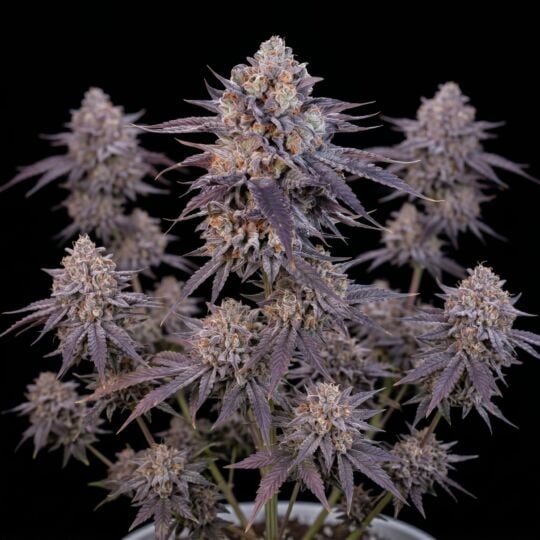 Granddaddy Purple Autoflower SeedsBestsellerBuy one get one free$59.00Variety: Mostly IndicaTHC Content: Very High (20-30%)In stock
 - Auto
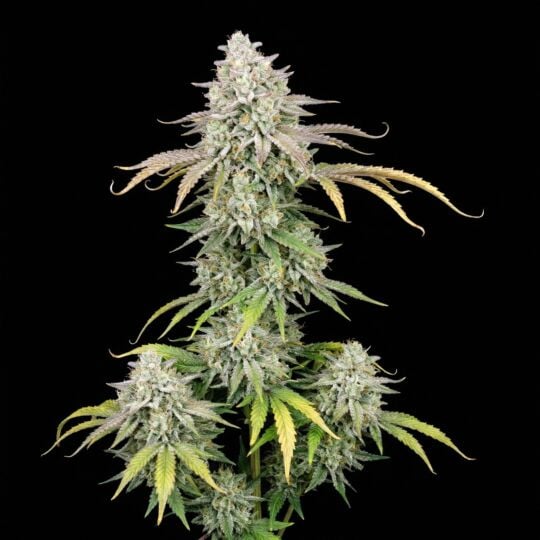 Blue Dream Autoflower SeedsBestsellerBuy one get one free$59.00Variety: Mostly SativaTHC Content: Very High (20-30%)In stock
 - Fem
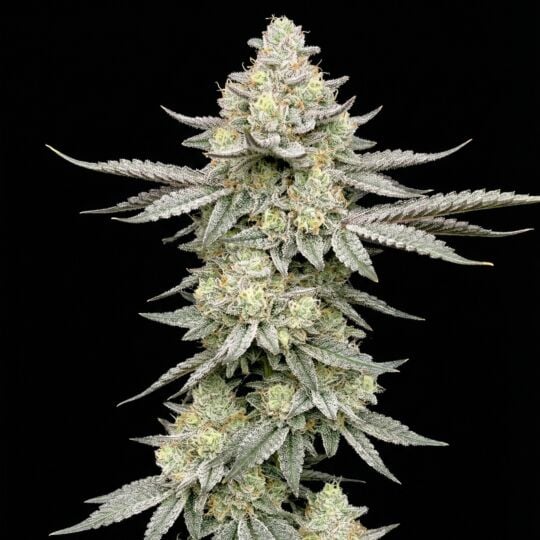 Blue Dream Feminized SeedsBestsellerBuy one get one free$59.00Variety: HybridTHC Content: High (15-20%)In stock
 - Fem
 Apple Fritter Feminized SeedsBestsellerBuy one get one free$59.00Variety: HybridTHC Content: Very High (20-30%)In stock
 - Fem
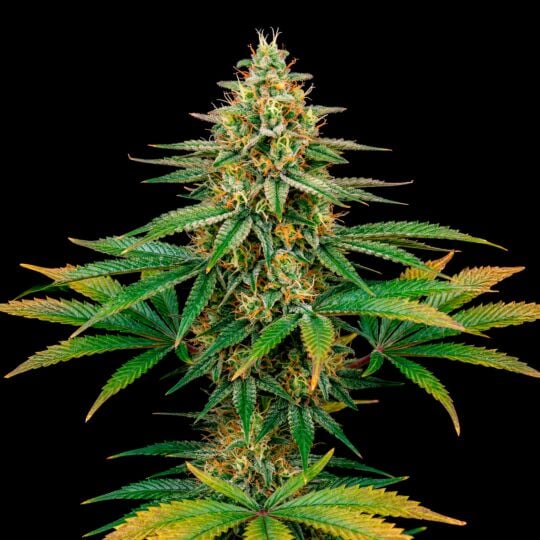 Acapulco Gold Feminized SeedsBestsellerBuy one get one free$59.00Variety: Mostly SativaTHC Content: High (15-20%)In stock
 - Fem
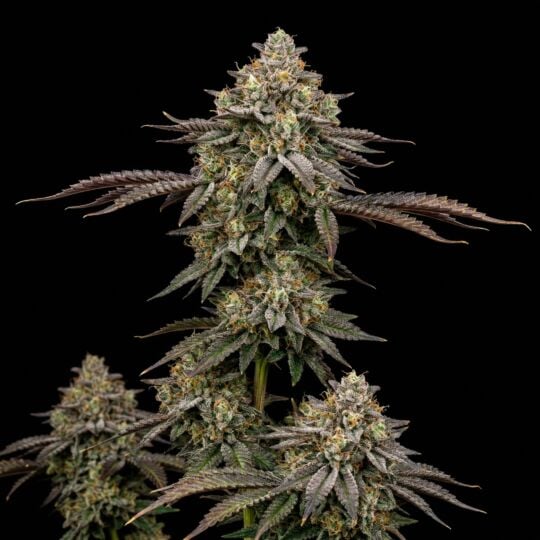 Godfather OG Feminized SeedsBestsellerBuy one get one free$59.00Variety: Mostly IndicaTHC Content: Very High (20-30%)In stock
 - Fem
 Sour Diesel Feminized SeedsBestsellerBuy one get one free$59.00Variety: HybridTHC Content: Very High (20-30%)In stock
 - Auto White Russian AutoflowerBestsellerBuy one get one free$59.00Variety: Mostly IndicaTHC Content: Very High (20-30%)In stock
- Fem Ghost Train Haze FeminizedBestsellerBuy one get one free$59.00Variety: Mostly SativaTHC Content: Very High (20-30%)In stock
- Auto GG 4 Autoflower SeedsBestsellerBuy one get one free$59.00Variety: HybridTHC Content: Very High (20-30%)In stock
- Fem White Widow Feminized SeedsBestsellerBuy one get one free$59.00Variety: HybridTHC Content: Very High (20-30%)In stock
- Fem Alaskan Thunderfuck Feminized SeedsBestsellerBuy one get one free$59.00Variety: Mostly SativaTHC Content: High (15-20%)In stock
- Auto Northern Lights Autoflower SeedsBestsellerBuy one get one free$59.00Variety: Mostly IndicaTHC Content: Very High (20-30%)In stock
- Fem Northern Lights Feminized SeedsBestsellerBuy one get one free$59.00Variety: Mostly IndicaTHC Content: High (15-20%)In stock
- Fem Green Crack Feminized SeedsBestsellerBuy one get one free$59.00Variety: HybridTHC Content: High (15-20%)In stock
- Fem Durban Poison Feminized SeedsBestsellerBuy one get one free$59.00Variety: SativaTHC Content: Very High (20-30%)In stock
- Fem Maui Wowie Feminized SeedsBestsellerBuy one get one free$59.00Variety: HybridTHC Content: High (15-20%)In stock
- Auto Durban Poison Autoflower SeedsBestsellerBuy one get one free$59.00Variety: SativaTHC Content: Very High (20-30%)In stock
- Fem Blackberry Kush Feminized SeedsBuy one get one free$59.00Variety: HybridTHC Content: High (15-20%)In stock
- Fem Granddaddy Purple Feminized SeedsBestsellerBuy one get one free$59.00Variety: Mostly IndicaTHC Content: Very High (20-30%)In stock
- Fem Wedding Cake Feminized SeedsBestsellerBuy one get one free$59.00Variety: HybridTHC Content: Very High (20-30%)In stock
- Auto Godfather OG AutoflowerBestsellerBuy one get one free$59.00Variety: Mostly IndicaTHC Content: Very High (20-30%)In stock
- Auto Jack Herer Autoflower SeedsBestsellerBuy one get one free$59.00Variety: Mostly SativaTHC Content: High (15-20%)In stock
- Auto Super Lemon Haze AutoflowerBestsellerBuy one get one free$59.00Variety: Mostly SativaTHC Content: High (15-20%)In stock
- Fem Doug’s Varin Feminized SeedsBestsellerBuy one get one free$59.00Variety: Pure SativaTHC Content: Very High (20-30%)In stock
- Auto Acapulco Gold Autoflowering SeedsBestsellerBuy one get one free$59.00Variety: Mostly SativaTHC Content: High (15-20%)In stock
- Auto Do-Si-Dos Autoflower SeedsBuy one get one free$59.00Variety: Mostly IndicaTHC Content: High (15-20%)In stock
- Fem Bruce Banner Feminized SeedsBestsellerBuy one get one free$59.00Variety: HybridTHC Content: Very High (20-30%)In stock
- Bruce Banner Fast Version SeedsBestsellerBuy one get one free$59.00Variety: HybridTHC Content: Very High (20-30%)In stock
- Fem OG Kush Feminized SeedsBestsellerBuy one get one free$59.00Variety: HybridTHC Content: Very High (20-30%)In stock
- Fem Super Lemon Haze Feminized SeedsBestsellerBuy one get one free$59.00Variety: HybridTHC Content: Very High (20-30%)In stock
- Auto G13 Autoflower SeedsBuy one get one free$59.00Variety: HybridTHC Content: Very High (20-30%)In stock
- Auto Power Plant AutoflowerBuy one get one free$59.00Variety: Mostly SativaTHC Content: High (15-20%)In stock
- White Widow Regular SeedsBuy one get one free$59.00Variety: HybridTHC Content: Very High (20-30%)In stock
- Auto Khalifa Kush Autoflower SeedsBestsellerBuy one get one free$59.00Variety: Mostly IndicaTHC Content: Very High (20-30%)In stock