Durban Poison Autoflower Seeds

Shipping Information
Seed Supreme proudly ships to all 50 U.S. states. Enjoy fast, secure, and discreet delivery on every order. With our U.S.-based fulfillment and carefully packaged shipments, your seeds arrive safely and on time, every time.
 Fast + Discreet Shipping Nationwide
 Fulfilled with Care from Our U.S. Warehouse
 Top-Rated U.S.-Based Customer Support



Featured In









Free this month: White Widow Autoflower — automatically added based on your spend.
| Spend $50
Get 4 free seeds |
Spend $100
Get 6 free seeds |
| Spend $150
Get 8 free seeds |
Spend $200+
Get 10 free seeds |
Durban Poison autoflower buds give you the boost you need to jumpstart your day. This sativa-heavy cannabis cultivar originated in South Africa but has recently gained popularity in North America.
Anyone can cultivate this non-photoperiod strain, as it’s robust and reliable. Years of breeding have helped shorten the flowering period of this potent sativa cultivar. Roll up a fatty and learn more about Durban Poison auto below.
What Are Durban Poison Seeds?
Durban Poison Seeds produce plants with remarkable consistency and vigor, celebrated for their resilience, distinctive flavor profile, and clear-headed, energetic effects. Over time, this strain has become a cornerstone of the modern cannabis market and has influenced many popular genetics, including the Girl Scout Cookies (GSC) lineage.
The Durban Poison strain is available in both feminized and autoflowering (Durban Poison Auto) seed varieties, giving growers options for predictable yields and simplified cultivation. Often referred to as “the espresso of cannabis,” Durban Poison is especially favored for daytime use due to its stimulating effects.
Durban Poison Strain Seeds, Genetics, and Legacy
Durban Poison Seeds were brought to the global cannabis community’s attention in the late 1970s by American breeder Ed Rosenthal and are the starting point for cultivating the world-renowned Durban Poison strain. This pure landrace sativa originated in the South African city of Durban and carries the genetic blueprint of a landrace strain, meaning it evolved naturally without being crossbred with other varieties.
When you cultivate Durban Poison cannabis seeds, you are preserving a timeless classic that has remained genetically stable for centuries and continues to be highly respected within the cannabis community.
Effects Of Durban Poison: What to Expect From the Experience
The effects of the Durban Poison strain are perhaps its most celebrated feature. Users consistently report a powerful, uplifting cerebral experience that is both energizing and focused, often described as an energizing high. The onset is typically rapid, delivering a wave of clear-headed euphoria that sharpens the senses and sparks creativity.
Users often report a surge of energy and heightened creativity from this cannabis strain, making it a popular choice for daytime consumption.
Durban Poison Terpene Profile: Aroma and Flavor
The unforgettable aroma and flavor of these cannabis plants are a direct result of its unique terpene profile.
Durban Poison is known for its distinct sweet and spicy aroma with hints of anise and pine. The dominant terpene is Terpinolene, which is relatively rare as a dominant terpene. It imparts a fresh, piney, and slightly floral aroma with hints of citrus notes, while mint-related terpenes like Eucalyptol can add a subtle minty freshness and may contribute to potential therapeutic effects such as relief from migraines and anxiety.
Supporting terpinolene Myrcene contributes to the subtle earthy and sweet notes, while ocimene adds a sweet, fruity, and herbal fragrance. Together with Alpha-Pinene (sharp pine scent) and Beta-Caryophyllene (warm, spicy pepper notes), this combination results in an intense flavor profile that is equal parts spicy and dank, with a beautiful undercurrent of sage and a pine-like freshness.
Durban Poison: Plant Structure, Growth, and Appearance
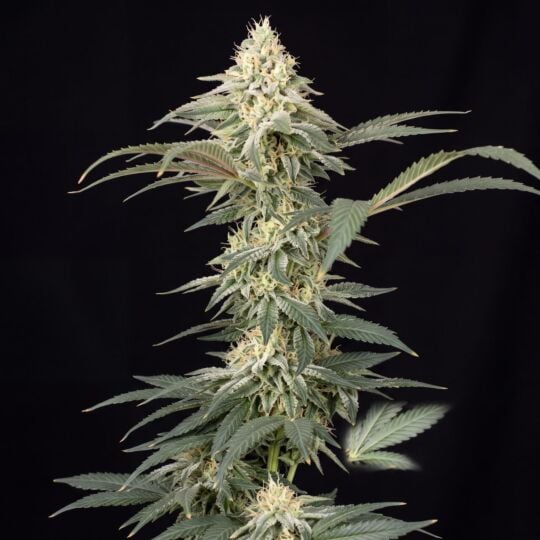
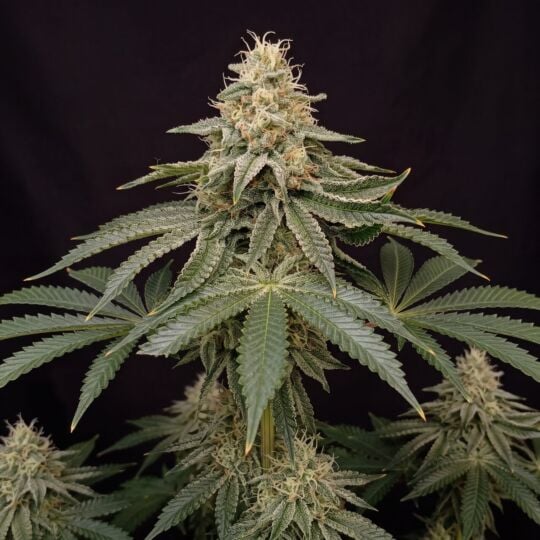
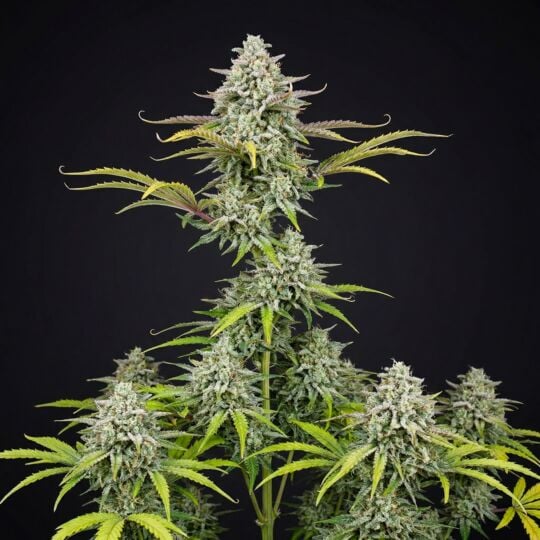
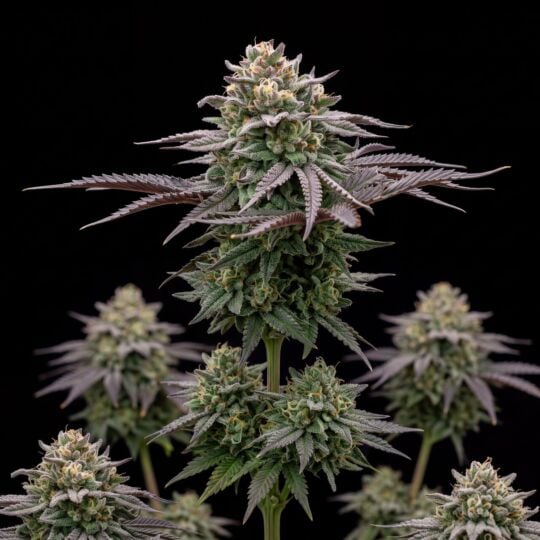
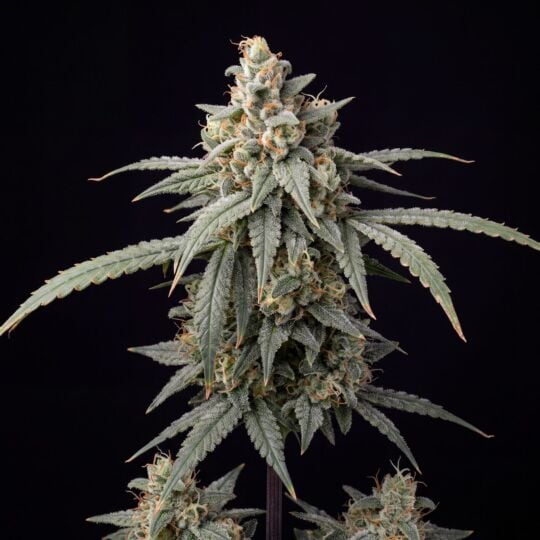
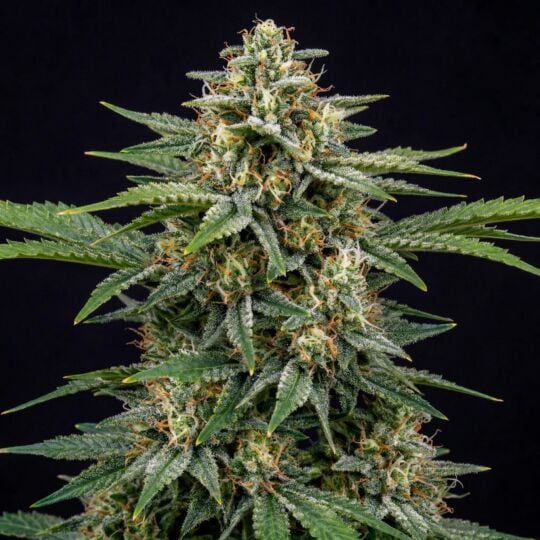
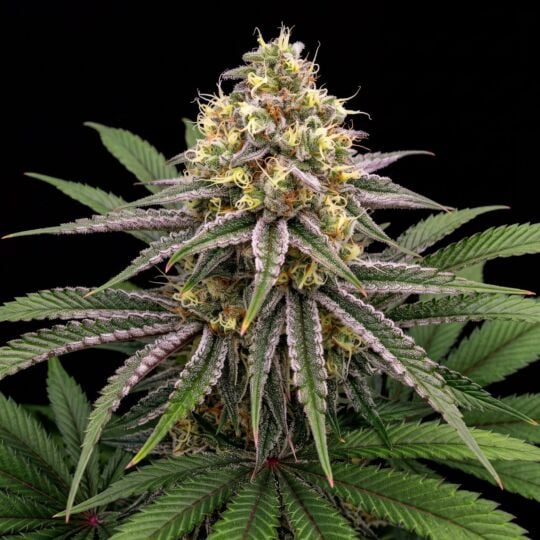
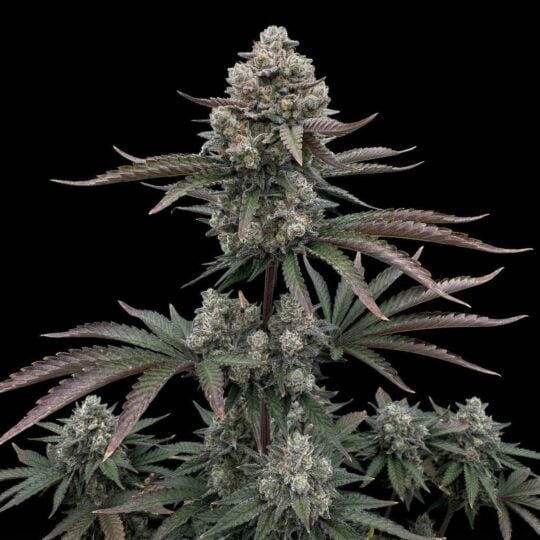
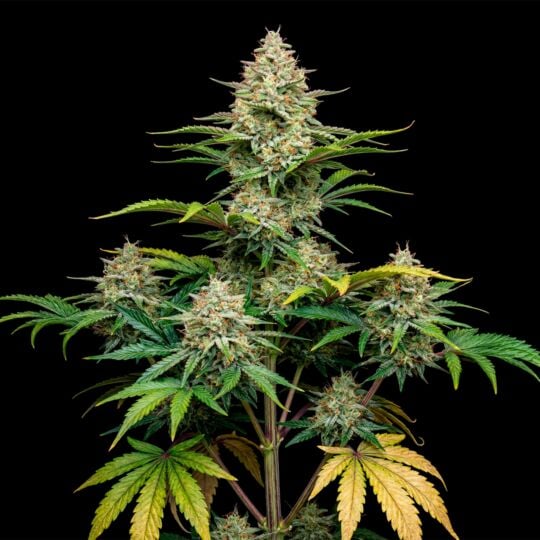
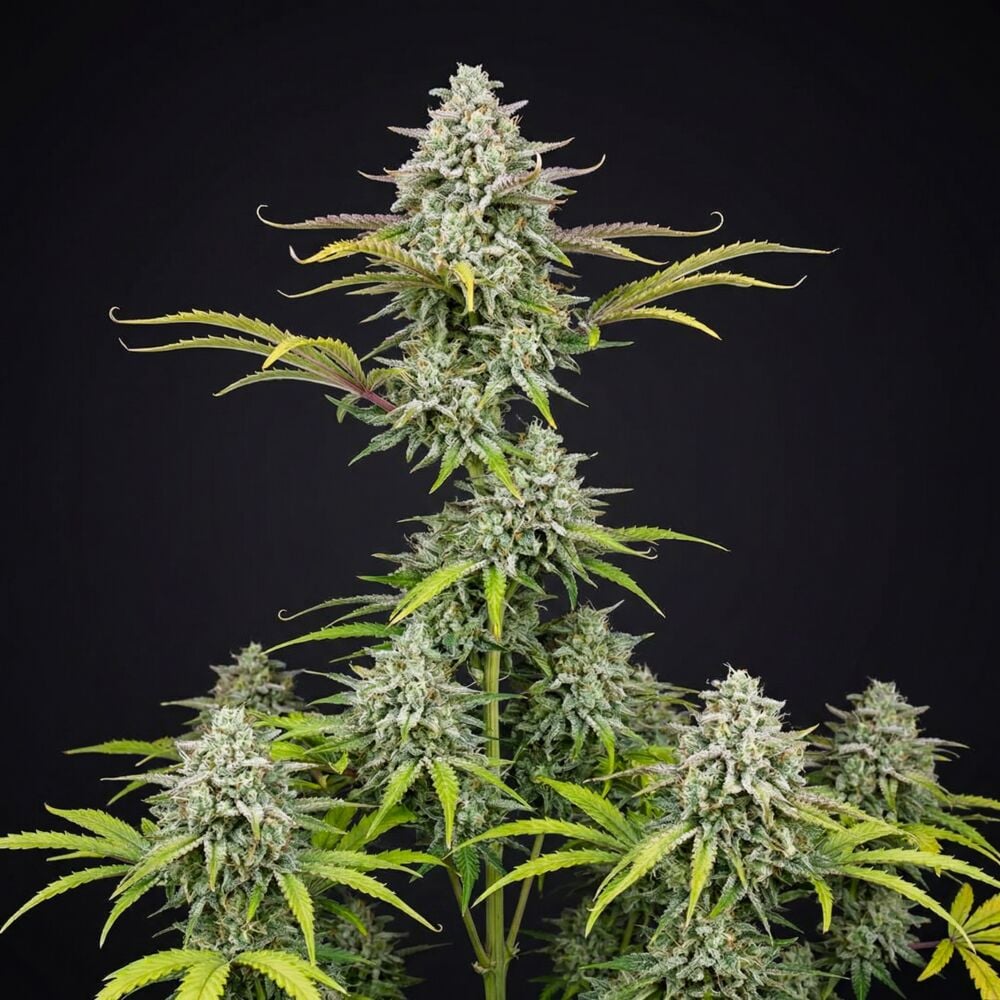
These plants display growth patterns that reflect their sativa genetics and lineage, with tall, lanky plants that stretch eagerly toward the light, often reaching heights of 8-12 feet when grown outdoors. The leaves are thin and finger-like with a vibrant green hue, allowing excellent light penetration through the canopy
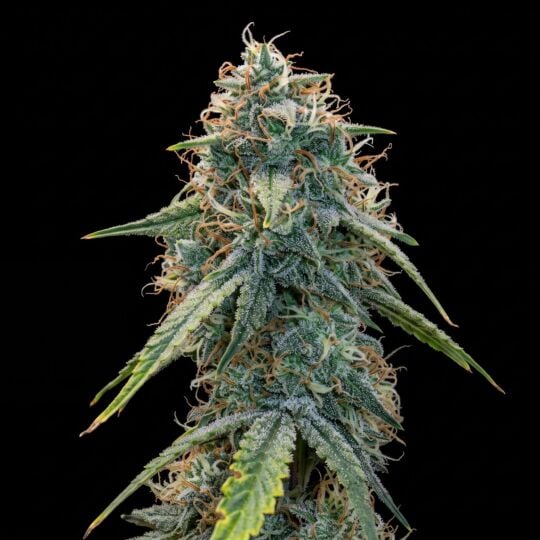
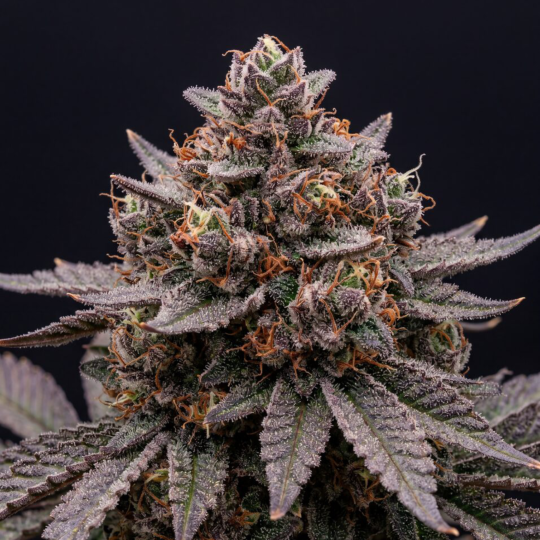
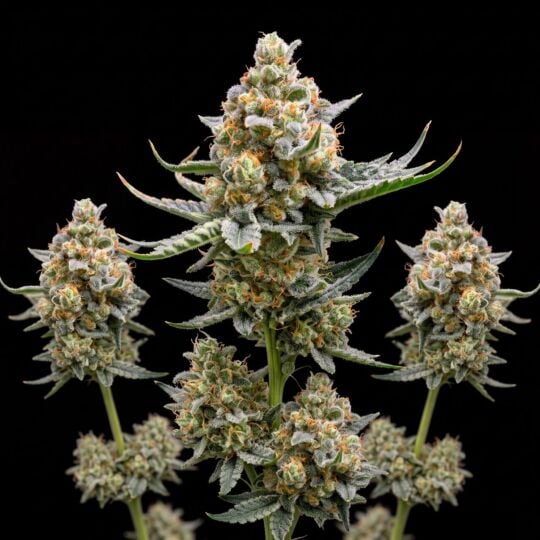
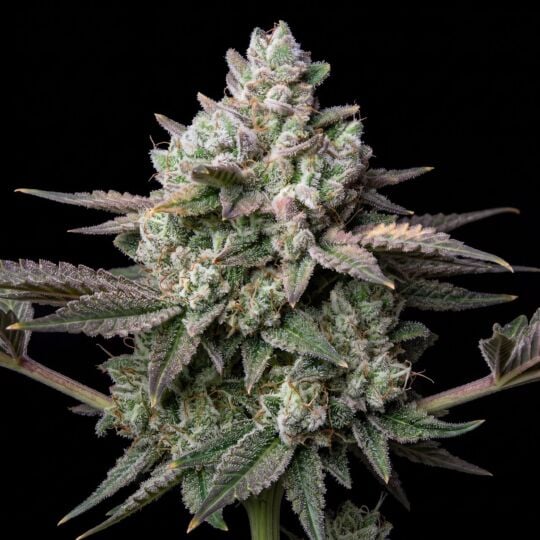
The buds reflect their sativa heritage, forming elongated, spear-shaped colas that are generously coated in sparkling trichomes, with occasional purple hues. As flowering progresses, the heavy resin production can make the branches top-heavy, so staking is often recommended to support the plant.
What to Expect When Growing Durban Poison Seeds
Cultivating Durban Poison Seeds can be a rewarding journey for both novice and experienced growers. The strain is considered easy-to-moderate difficulty, thanks to its robust landrace genetics. These weed seeds are also feminized, so the hassle of yield-wrecking male plants is totally removed. Durban Poison has been inbred over many years to adapt to various growing conditions, making it highly versatile.
These plants are naturally resilient, handling minor environmental fluctuations that might stress more sensitive hybrids. They also show strong resistance to common pests and diseases, which makes them a forgiving option for growers still refining their cultivation skills. One thing to plan for is their pronounced vertical stretch, particularly during the early flowering phase.
Maintaining consistent temperatures and stable growing conditions is essential for the best results. Relative humidity should generally stay around 40–50% throughout both the vegetative and flowering stages. While Durban Poison can thrive in either environment, the ability to control climate variables often gives indoor growers a slight advantage.
Indoor Growing
Indoors, managing plant height becomes a priority. Techniques like topping, Low-Stress Training (LST), or Screen of Green (SCROG) setups help control vertical growth while improving light penetration and yield. The controlled environment also makes it easier to maintain ideal temperature and humidity levels throughout the grow cycle.
Outdoor Growing
Outdoors, Durban Poison prefers a warm, sunny climate with relatively low humidity. Given enough space, the plant will stretch to its full, impressive height, making it well-suited for growers who can accommodate its size. Proper planning and support are key to maximizing performance in an outdoor setting.
Understanding Durban Poison grow info and planning for its growth habits are essential for a successful harvest.
Grow Time From Seed to Harvest
One remarkable aspect of the Durban Poison strain is its relatively short flowering period for a pure sativa. Durban Poison seeds typically have a flowering time of 8 to 12 weeks, depending on growing conditions. Typically, the total time from germinating your Durban Poison Marijuana Seeds to a harvest-ready plant is around 12 to 14 weeks.
The vegetative growth stage usually lasts between 4 to 6 weeks. Following the switch to a 12/12 light cycle, the flowering stage is approximately 8 to 10 weeks. This is surprisingly fast for a 100% sativa and is one reason it has become so popular. Outdoor cultivators in the Northern Hemisphere can typically expect to harvest around mid-October.
Yield Expectations for Durban Poison
Durban Poison delivers strong yields when given the right conditions, rewarding both indoor and outdoor growers with impressive returns.
Indoor grow yields: With controlled lighting, temperature, and humidity, indoor setups typically produce around 450 to 650 grams per square meter (g/m²) under optimal conditions, highlighting the high yield potential of Durban Poison seeds.
Outdoor grow yields: Outdoors, Durban Poison can fully express its genetics. In warm, sunny climates with rich, well-draining soil and plenty of space, plants can grow extremely tall and produce 15 to 20 ounces of dried flower per plant, making outdoor cultivation especially rewarding for growers with the right environment.
Quick Guide to Growing Durban Poison Seeds
If you’re ready to get started growing Durban Poison without overthinking every detail, this section covers the basics you actually need to know. It’s a straightforward overview to help you avoid common mistakes and feel more confident as your plants move from seed to harvest.
Germination (Week 1):
Begin by germinating your seeds using the paper towel method. Place seeds between two damp paper towels, keep them in a warm, dark place at 72-78°F, and within 24-72 hours, taproots should emerge. Once the taproot is about half an inch long, plant the seedling in a light, airy soil mix.
Seedling Stage (Weeks 1-2):
Provide gentle light on an 18/6 cycle and maintain high humidity (65-70%). Keep the soil moist but not soaked, and avoid nutrients at this stage. By the end of week 2, your seedlings should have 2-3 sets of serrated leaves.
Vegetative Stage (Weeks 3-6):
The plant will experience vigorous growth during this phase. Increase light intensity and begin a nitrogen-rich nutrient regimen. Start training your plant using LST or topping above the 4th or 5th node to encourage a bushier structure and manage height.
Flowering Stretch (Weeks 7-9):
Switch your light cycle to 12/12 to initiate flowering. The plant will stretch significantly, potentially doubling in size. Change to a bloom-focused nutrient formula with higher phosphorus and potassium levels. You will see the first pistils forming, and the plant's sweet, piney aroma will become more noticeable.
Bud Development (Weeks 10-11):
The stretch will slow down as the plant focuses energy on bud production. The flowers will swell and become increasingly coated in trichomes. Continue with bloom nutrients and maintain lower humidity (40-45%) to prevent mold.
Harvest (Week 12):
Monitor the trichomes with a jeweler's loupe. Harvest when the buds are mostly cloudy with about 10-20% amber for the optimal energetic effect. Flush the plant with plain water for the last 1-2 weeks before harvest. After harvest, dry the buds slowly in a dark room at 60-70°F with 50-60% humidity for 7-14 days, then cure in glass jars for at least 3-4 weeks.
Why Choose Durban Poison
Durban Poison Seeds are the perfect strain for those seeking a sativa dominant or sativa dominant strain. This classic sativa strain is renowned for its high THC content, typically ranging from 15% to 25%, and contains notable levels of THCv, which may suppress appetite.
As a pure sativa landrace, Durban Poison stands out for its robust genetics, vigorous growth, and relatively fast flowering time. Its tall, elegant structure and resin-coated buds are a testament to its wild origins, while its energetic and uplifting effects have made it a favorite among cannabis enthusiasts worldwide.
Whether you are a novice grower drawn to its resilience or an experienced cultivator looking to add a classic sativa to your collection, Durban Poison is a rewarding plant to grow. By understanding its needs and characteristics, you can look forward to a bountiful harvest of top-quality buds that embody the essence of a pure sativa experience.
Durban Poison Auto sits among a vast lineup of top-quality cannabis seeds available at Seed Supreme — recognized consistently as the best overall U.S. seed bank.
FAQs
Still have questions? Here are some quick answers to the most common things growers ask about Durban Poison seeds.
Is Durban Poison Good for Beginners?
Absolutely. Durban Poison is considered a good choice for beginners because of its natural resistance to pests and mold. The main challenge is managing its height, but with basic training techniques, it is very manageable.
What Is the THC Content of Durban Poison Seeds?
The THC content usually clocks in at around 19%, which is why it's known for its strong, energetic head high.
What Climate Is Best for Growing Durban Poison Outdoors?
Durban Poison thrives in warm, sunny climates with mild autumns, similar to Mediterranean or U.S. West Coast conditions. It can handle moderate humidity and is somewhat resistant to mold.
How Tall Does Durban Poison Get?
Indoors, Durban Poison can become quite tall if left untrained. It is recommended to keep its height managed to around 50-60 inches through techniques like topping and LST.
How Do I Know When Durban Poison Is Ready to Harvest?
Use a jeweler's loupe to examine the trichomes on the buds. Harvest when most trichomes are cloudy, with about 10-20% turning amber for the optimal energetic and uplifting effects.
Strain Profile
| THC Content: | Very High (20-30%) | Variety: | Sativa |
| Flowering Type: | Autoflowering | Flowering Time: | 10–11 weeks |
| Effects: | Creative, Energetic | Flavors: | Earthy, Herbal, Pine, Spicy |
| Yield: | Heavy | Plant Height: | Tall |
| CBD Content: | Low (0-1%) | Terpenes: | Myrcene, Ocimene, Terpinolene |
| Brand: | Seed Supreme | SKU: | SSSB-DUPA-FX |

About Seed Supreme
Seed Supreme is the #1 U.S. seed bank—recognized by major cannabis outlets and loved by growers nationwide for unbeatable pricing, unmatched variety, and fast, discreet shipping. We carry the largest selection of premium cannabis seeds from elite breeders worldwide—each order backed by a germination guarantee and loaded with free bonus seeds. Whether you're chasing rare genetics, high yields, or beginner-friendly strains, we make premium seeds accessible to every grower.
-
From $59.00
Variety: HybridTHC Content: High (15-20%) -
From $59.00
Variety: HybridTHC Content: High (15-20%) -
From $59.00
Variety: HybridTHC Content: High (15-20%) -
From $65.00
Variety: Hybrid