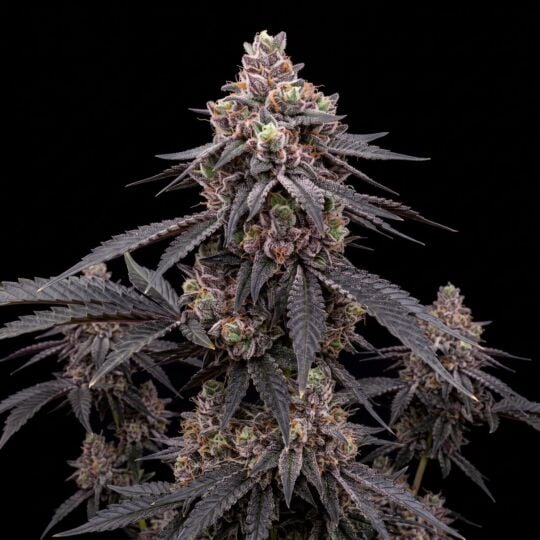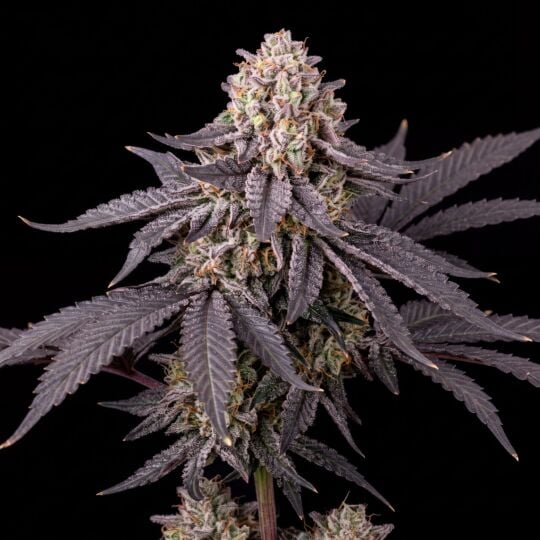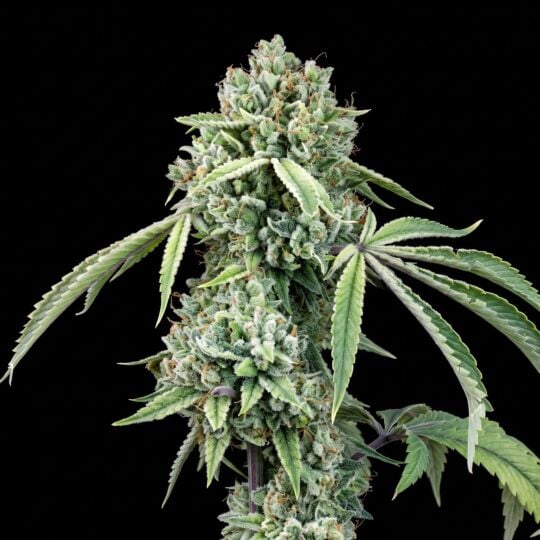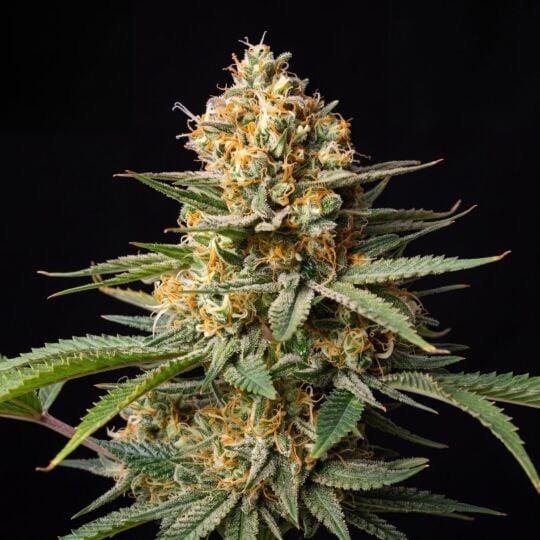
Regular Cannabis Seeds
Regular cannabis seeds give you the plant in its most natural form. They can grow into either male or female plants, making them ideal for growers who enjoy breeding, experimenting, or preserving classic genetics.
What Are Regular Cannabis Seeds and How Do They Work?
Regular cannabis seeds are the product of natural plant reproduction, created when a male cannabis plant pollinates a female. Each seed carries a complete set of cannabis genetics, containing both male and female chromosomes.
As a result, every regular cannabis strain has a roughly equal chance of developing into a male or a female cannabis plant, giving growers access to cannabis seeds that reflect cannabis genetics in its natural, unaltered form.
When a regular cannabis seed germinates, its ultimate male and female characteristic is determined by its genetic makeup and, to a lesser extent, environmental factors. These seeds enter the vegetative stage and behave like traditional growers expect, focusing on building strong roots and foliage.
It’s only when the light cycle changes that the plant will reveal its sex by developing either male pollen sacs or female pistils, allowing growers to identify male and female plants early.
Why Growers Choose Regular Seeds
Regular cannabis seeds offer unique advantages for growers who want more control over their cultivation and breeding. Here’s why many cultivators choose this seed type over feminized plants:
Essential for breeding
Regular cannabis seeds produce male plants, which provide the pollen needed to create the next generation and support breeding projects and genetic preservation. This is the foundation of the cannabis world and the work done by cannabis breeders.
Selective crossbreeding
By choosing males and females with desirable traits like vigor, aroma, or potency, breeders can produce regular cannabis seeds that carry the best characteristics of both parents. These breeding projects help create new strains with high-quality genetics.
Genetic stability
Regular cannabis seeds are believed to produce more vigorous, genetically stable marijuana plants since they haven’t undergone the chemical stress of feminization. This supports stable genetics and protects the strain’s genetic heritage over many generations.
Ideal for cloning
Their genetic integrity makes regular cannabis seeds perfect for selecting strong mother plants, ensuring consistent crops of remaining females and reliable plant growth.
What's the Female Ratio in Regular Cannabis Seeds?
While each regular cannabis seed has a 50% chance of becoming female, the actual ratio in a garden can vary. Experienced growers often notice a slight skew toward females, sometimes around a 65:35 split, though this is not guaranteed for any regular strain.
Factors that influence female ratios:
Environmental conditions: Temperature, humidity, and light spectrum during early growth stages can subtly affect male and female outcomes in male and female plants.
Humidity and light spectrum: Anecdotal reports from the cannabis world suggest higher humidity and blue-spectrum light may increase the proportion of female plants.
Planning: Even with favorable conditions, expect a portion of seeds to mature into males. Proper planning helps manage different types of cannabis strains and ensures you buy regular cannabis seeds, knowing some will not become feminized plants.
Choosing Between Regular and Feminized Seeds
When deciding what to grow, the type of seed you pick - regular or feminized - can shape your entire cultivation process. Each has its advantages, depending on your goals and experience level.
Regular Cannabis Seeds
Produce both male and female plants, making them essential for breeders or growers who want to preserve genetics.
Allow selection of strong mother plants for cloning.
Offer potential for genetic diversity and discovering exceptional phenotypes, though you’ll need to identify and remove males.
Feminized Cannabis Seeds
Almost 100% female, so all plants produce buds.
Remove the need to sex plants and prevent accidental pollination.
Ideal for growers focused on bud production, maximizing space, and simplifying the grow cycle.
Which is better for your grow?
- Choose regular cannabis seeds if you want to breed, maintain genetic diversity, or select mother plants for cloning.
- Choose feminized cannabis seeds if your goal is a hassle-free harvest, maximizing yield, or growing in limited space.
If you keep your goals front and center, picking between regular and feminized seeds becomes a lot easier. Use the strengths of each seed type to build a grow that fits your space, your skill level, and the kind of results you want to see.
Benefits of Regular Cannabis Seeds for Indoor and Outdoor Growing
Regular cannabis seeds offer a remarkable degree of versatility, adapting well to both indoor and outdoor cultivation environments. Their robust and unaltered cannabis genetics often result in hardy plants that can withstand a variety of conditions. This resilience makes them a reliable choice for experienced growers and beginners working with different cannabis strains..
Indoor Cannabis Cultivation Advantages
In a controlled indoor environment, regular cannabis seeds give cultivators a strong foundation for producing stable genetics and shaping new strains. The ability to precisely manage light, temperature, and humidity allows a grower to optimize for yield and even influence the ratio of male and female plants.
An indoor setup is also the perfect laboratory for a breeding project centered on genetic preservation, since male and female plants can be easily isolated to prevent accidental pollination and to select the best mother plants.
Outdoor Cannabis Cultivation Considerations
When grown outdoors, the natural vigor of regular cannabis really shows. Their unaltered genetics often give them a resilience that helps cannabis plants handle pests, fluctuating weather, and soil variation.
Planting a larger number of regular cannabis seeds outdoors allows a natural selection process to unfold, revealing which plants have the strongest traits and the most promising stable genetics.
Autoflower vs. Regular Seeds: Which Yields More?
When comparing overall yield potential, regular photoperiod cannabis seeds typically deliver higher yields per plant because the grower controls when flowering begins. Extending the vegetative period produces a larger marijuana plant with more bud sites, which directly boosts the final yield.
Autoflowering seeds operate on a preset timeline. They start flowering after a fixed period, usually 3 - 4 weeks from germination, no matter what light cycle is used. These autoflowering seeds stay smaller, and the yield per plant is lower, but the advantage is speed. Autoflower strains can go from seed to harvest in roughly 8 - 10 weeks, making multiple harvests possible in a single season.
What Makes a Regular Seed an Heirloom
An heirloom refers to the seed's lineage, and regular seeds can become heirloom seeds over time, but it’s not automatic. The key factor is genetic stability and preservation.
Here’s how it works:
- A regular seed is just a naturally produced seed that can grow into a male or female plant.
- If a grower consistently selects the best plants from that strain, preserves their genetics through open-pollination over multiple generations, and maintains the original traits, those seeds can develop into a stable heirloom line.
- True heirloom status also requires that the genetics remain unchanged from the original lineage, often maintained over decades.
So essentially, any regular seed can start the process, but only careful cultivation and preservation over generations turn it into a true heirloom.
Understanding Male Cannabis Plants
For growers using regular seeds, understanding the male weed plant is crucial. Male plants are distinguished by their primary function: producing pollen.
- No resinous buds: Male plants do not produce the cannabinoid-rich flowers sought for consumption.
- Pollen sacs: As they mature, males develop small, bell-shaped sacs clustered at the nodes, which eventually release pollen.
- Physical traits: Males are often taller and lankier than females, with thicker stalks and fewer leaves - an adaptation to disperse pollen over shorter, bushier female plants.
For growers not intending to breed, removing males before pollen release is critical.
Identifying Male Pre-Flowers
Marijuana plants provide early clues about their male and female characteristics through pre-flowers, which typically appear at the nodes (where branches meet the main stem) after about 4 - 6 weeks of vegetative growth.
- Male pre-flowers: Tiny, round balls on a short stalk, sometimes described as spade-shaped.
- Female pre-flowers: Teardrop-shaped with 1 - 2 fine, white hairs (pistils) emerging from the tip.
Tip: Regularly inspect nodes to spot male pre-flowers early - this skill is essential for managing regular marijuana seeds.
Cannabis Breeding with Regular Seeds
Breeding cannabis is the art and science of creating new strains and relies entirely on regular seeds. The goal is to combine desirable traits from two parent plants into the next generation.
- Selecting parents: Choose a female with traits you want to preserve and a male with complementary characteristics, like aroma or potency.
- Pollination: Allow the male to mature and release pollen onto the chosen female’s flowers.
- Outcome: Produces seeds that carry the best traits from both parent plants, offering genetic diversity and potential for stronger, more vigorous cannabis plants.
Growing Regular Seeds
Growing regular seeds is a rewarding journey that connects the cultivator to the fundamental processes of the marijuana plant. It begins with the same steps as any other cannabis seed, but requires an extra layer of attention and care as the plants mature.
The process can be broken down into key stages, each with its own set of requirements.
Germination and Seedling Care
- Start the seeds: Coax the seeds into life using a method like placing them between moist paper towels or directly in a starter medium.
- Create the right environment: Keep seeds in a warm, dark, and moist location.
- Planting: Once the seed cracks and a small white taproot appears, plant it about a quarter-inch deep in a suitable growing medium.
- Care for seedlings: Young plants are vulnerable and need gentle attention, focusing on proper light, water, and humidity.
- Optimal conditions: Maintain high humidity and use low-intensity light to avoid stress.
- Avoid overwatering: Keep the soil moist but not waterlogged, ensuring roots get oxygen while supporting early plant growth.
Flowering and Sexing Your Plants
- Trigger flowering: For photoperiod-dependent regular seeds, switch the light cycle to 12 hours light / 12 hours dark to signal the plant to start flowering.
- Watch for pre-flowers: Within 1 - 3 weeks, pre-flowers appear at the nodes, showing early signs of male and female characteristics.
- Identify sex: Inspect each plant carefully at its nodes to spot male pollen sacs or female pistils.
- Remove males: Once a male is confidently identified, remove it immediately to prevent pollination.
- Develop female flowers: Female plants continue to mature over several weeks, producing resin-rich buds while free from unwanted pollen.
Tips for Home Growers:
Growing cannabis from regular seeds requires a bit of strategy and patience. Here are some essential tips to help home growers maximize their success:
- Plant extra seeds: Start with more seeds than you plan to harvest as females to account for roughly 50% male plants.
- Be diligent: Check plants daily for pre-flowers once they are a few weeks old.
- Identify males carefully: Remove males promptly, but don’t rush. Waiting a day or two can help pre-flowers become more distinct.
- Label your plants: Tracking growth and sex helps manage your garden and prevents mistakes.
Following these tips will help you stay on top of your garden, minimize mistakes, and maximize your harvest. With careful monitoring, patience, and proper planning, you can enjoy a productive grow and end up with healthy, potent cannabis plants from regular marijuana seeds.
Top-Rated Regular Cannabis Seeds to Grow
Indica-Dominant Varieties
Indica-dominant regular seeds are prized for their resilience, compact growth patterns, and deeply relaxing effects. These varieties typically originate from the mountainous regions of Afghanistan, Pakistan, and India, where they evolved to withstand harsh climates.
- Afghan Kush varieties, for example, are legendary for their thick, resinous buds and earthy, hash-like aromas. These plants tend to stay short and bushy, making them ideal for indoor cultivation or discreet outdoor gardens. Their flowering period is relatively short, usually completing in 7-9 weeks, which makes them attractive for growers seeking faster harvests.
- Northern Lights lineage, which has been a cornerstone of cannabis breeding since the 1980s. Regular seeds from this genetic line produce plants with exceptional vigor, disease resistance, and generous yields of dense, crystalline flowers.
Their effects are typically sedating and physically relaxing, with sweet and spicy flavor profiles. These varieties are often recommended for beginners due to their forgiving nature and consistent performance across different growing conditions.
Sativa-Dominant Strains
Sativa-dominant regular seeds offer an entirely different growing experience and effect profile. These genetics trace their origins to equatorial regions such as Thailand, Mexico, Colombia, and various parts of Africa.
- Thai varieties, for instance, are celebrated for their soaring, energetic effects and complex terpene profiles featuring notes of citrus, tropical fruit, and spice. These plants grow tall and lanky with long internodal spacing, a structure adapted to maximize light capture in their native environments.
- Haze varieties represent another iconic sativa lineage that has influenced countless modern hybrids. Regular Haze seeds produce plants that can reach impressive heights and require longer flowering periods, often 10-14 weeks.
However, the wait is rewarded with exceptional quality flowers that deliver clear-headed, creative effects. The aroma is typically a complex blend of earthy, spicy, and sweet notes. These strains require more space and patience but are favored by connoisseurs for their unique characteristics.
Hybrid Genetics
Many growers also seek regular seeds from balanced hybrid varieties that combine the best traits of both indica and sativa genetics.
Skunk varieties, for example, have been foundational in cannabis breeding for decades. Regular Skunk seeds produce vigorous plants with balanced growth patterns, moderate flowering times of 8-9 weeks, and potent effects that blend physical relaxation with mental clarity. The distinctive pungent aroma is unmistakable and has become a benchmark in cannabis culture.
Kush and Haze parentage offer the structure and resilience of Indica genetics combined with the uplifting effects and complex flavors of sativas. These balanced hybrids are often ideal for growers seeking versatility, as they perform well in various environments and appeal to a broad range of preferences.
Common Challenges and Solutions
The most common issues revolve around sex identification, germination, and meeting the plant's nutritional needs. Anticipating these challenges and knowing how to respond is key to a smooth cultivation experience.
Identifying Males Too Late
The most significant risk when growing regular seeds is failing to identify and remove the produced male plants before they release their pollen. A single male can pollinate an entire crop, turning valuable buds into seeds.
The solution is diligence. Begin checking for pre-flowers around the fourth week of vegetative growth and continue daily. Isolate any suspected males immediately.
Slow or Failed Germination
Sometimes, seeds may be slow to germinate or fail to sprout at all. Several factors, including old seeds, incorrect temperatures, or improper moisture levels, can cause this. To improve success rates, ensure your germination environment is consistently warm (around 70-80°F or 21-27°C) and moist, but not soaking wet. If seeds are old, a light scuffing of the seed shell can sometimes help moisture penetrate.
-
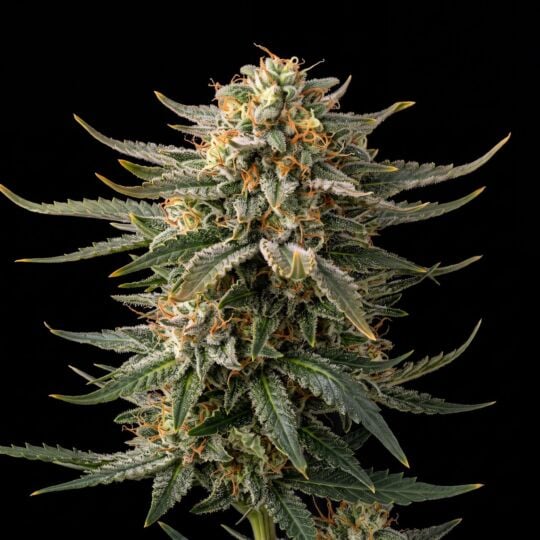 White Widow Regular SeedsBuy one get one free$59.00Variety: HybridTHC Content: Very High (20-30%)In stock
 -
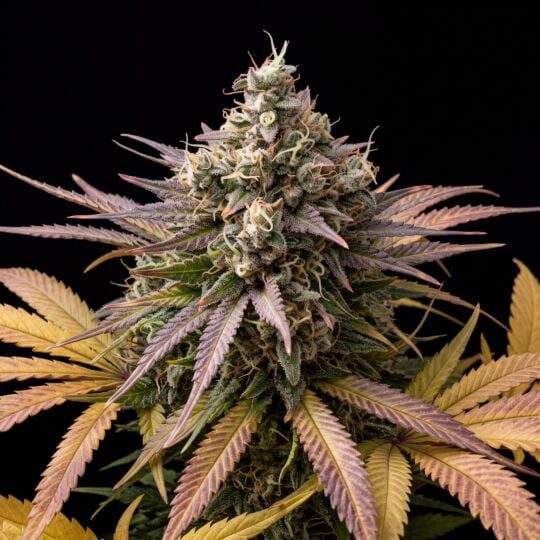 Northern Lights Regular SeedsBuy one get one free$59.00Variety: HybridTHC Content: High (15-20%)In stock
 -
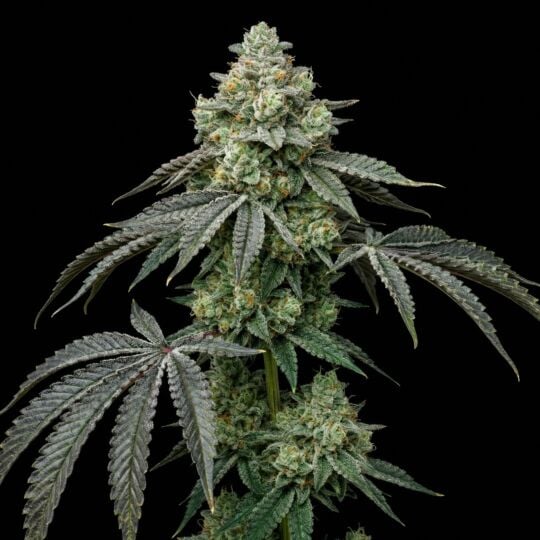 Hindu Kush Regular SeedsBuy one get one free$59.00Variety: HybridTHC Content: High (15-20%)In stock
 -
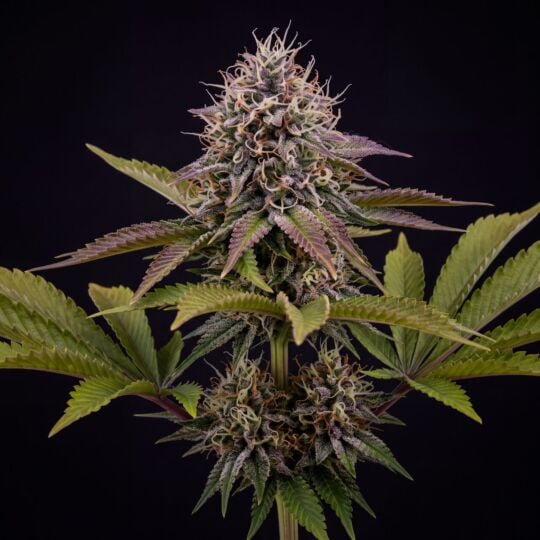 Blueberry Regular SeedsBuy one get one free$59.00Variety: HybridTHC Content: Medium (10-15%)In stock
 -
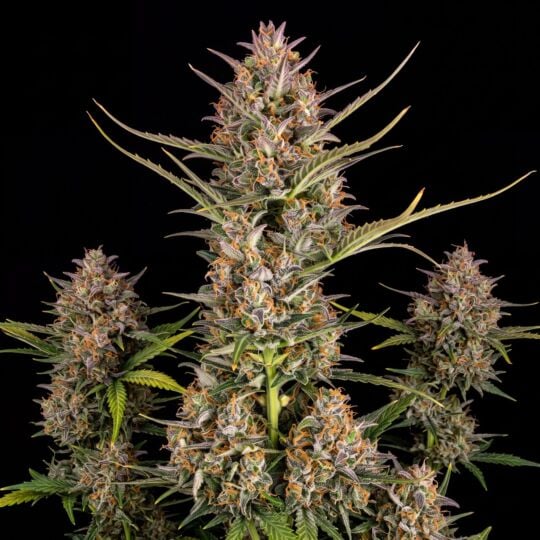 Bruce Banner Regular SeedsBuy one get one free$59.00Variety: HybridTHC Content: Very High (20-30%)In stock
 -
 OG Kush Regular Cannabis SeedsBuy one get one free$59.00Variety: Mostly IndicaTHC Content: Very High (20-30%)In stock
 -
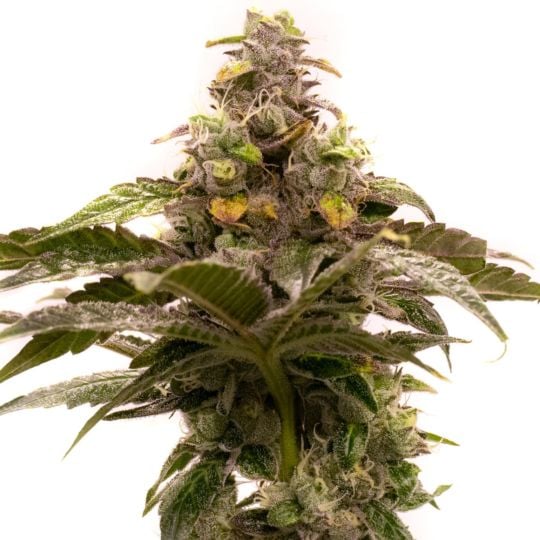 Tropic Thunder Regular Cannabis Seeds - Homegrown Cannabis Co.Buy one get one free$49.00Variety: Mostly IndicaTHC Content: Very High (20-30%)In stock
 -
 Chocolope Regular SeedsBuy one get one free$59.00Variety: HybridTHC Content: Very High (20-30%)In stock
 - Lemon Pie Regular SeedsBuy one get one free$59.00Variety: HybridTHC Content: High (15-20%)In stock
- Grandaddy Bruce Regular Cannabis SeedsBuy one get one free$59.00Variety: Mostly IndicaTHC Content: Very High (20-30%)In stock
- Alien GG Regular Cannabis SeedsBuy one get one free$59.00Variety: Mostly IndicaTHC Content: Very High (20-30%)In stock
- Agent Orange Regular SeedsBuy one get one free$59.00Variety: HybridTHC Content: High (15-20%)In stock
- Mazar Regular Cannabis SeedsBuy one get one free$59.00Variety: Mostly IndicaTHC Content: High (15-20%)In stock