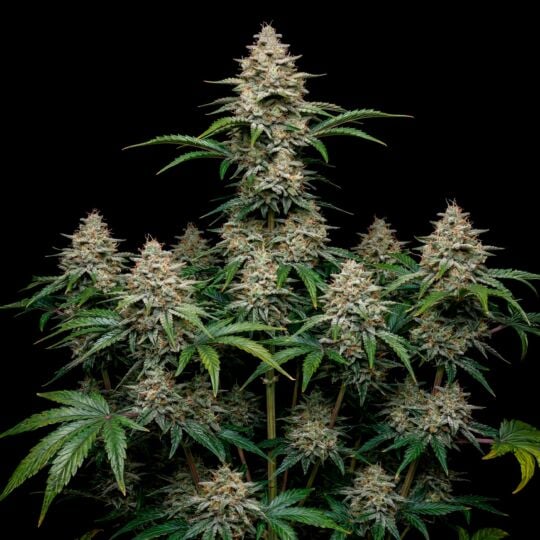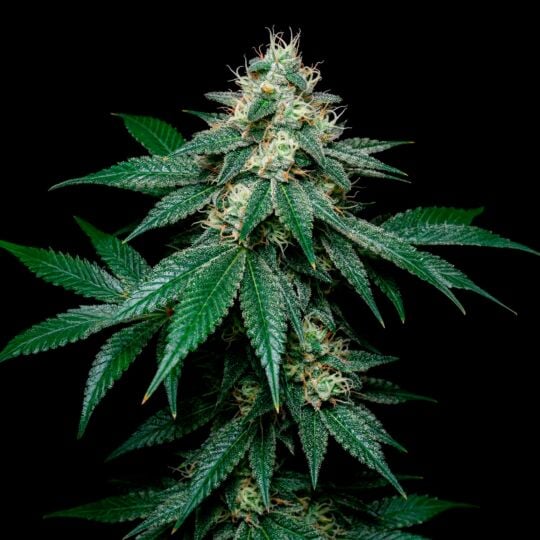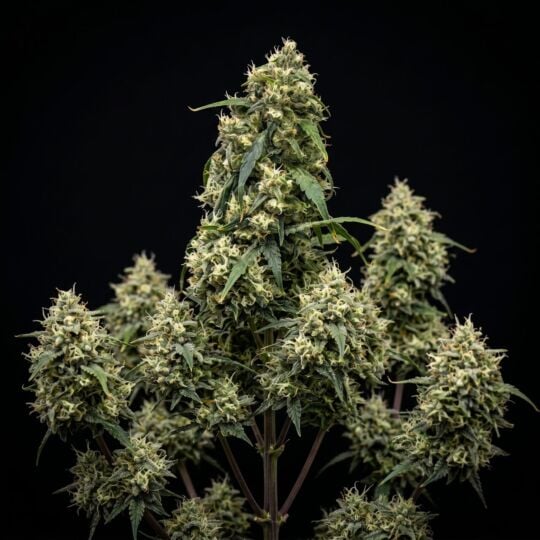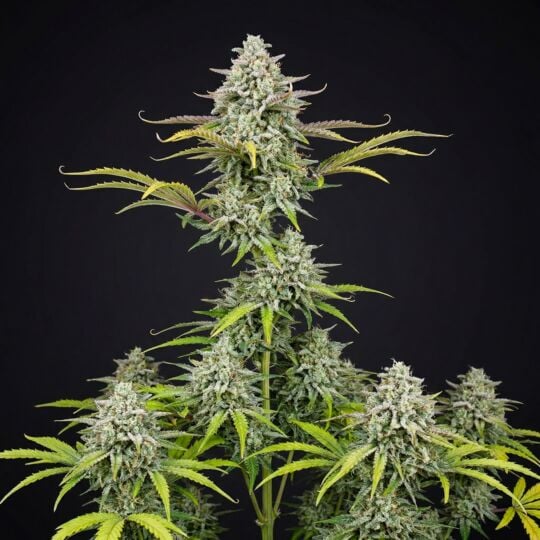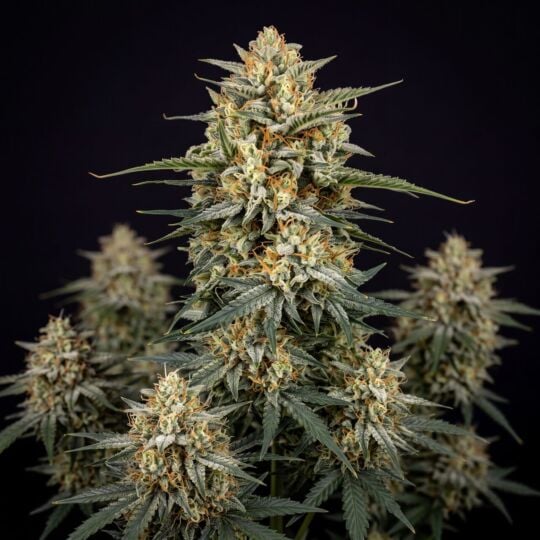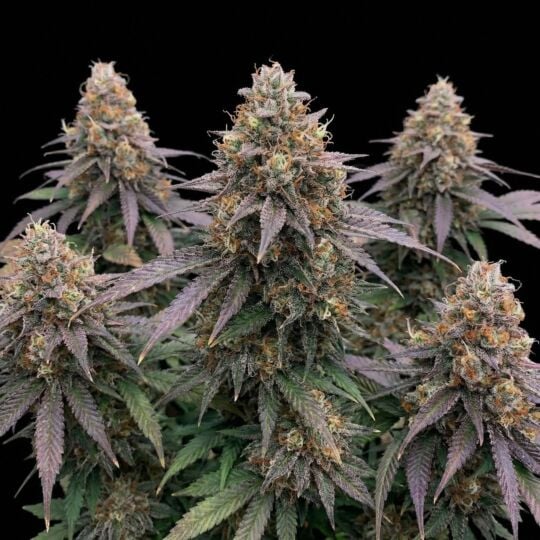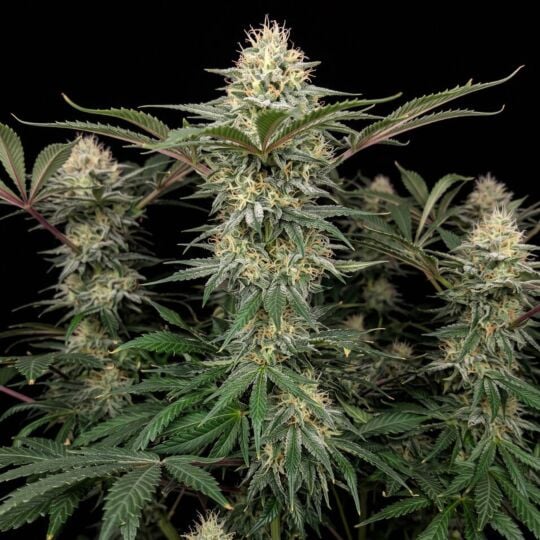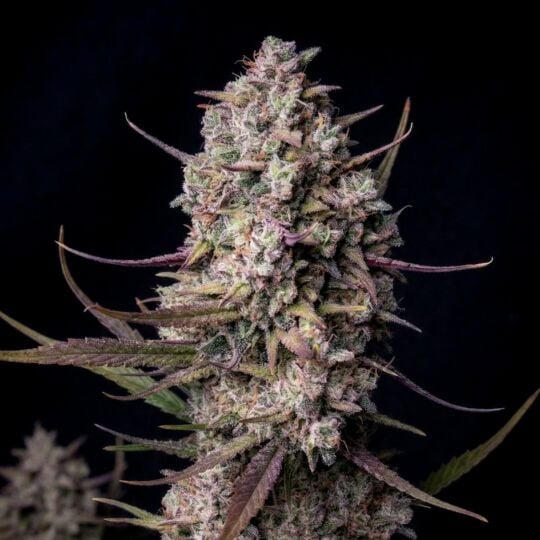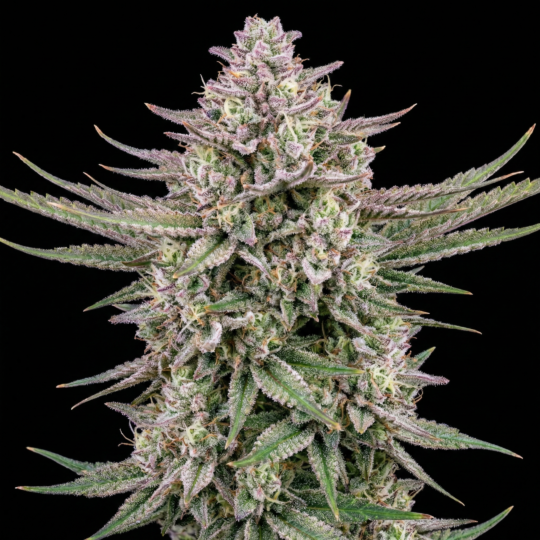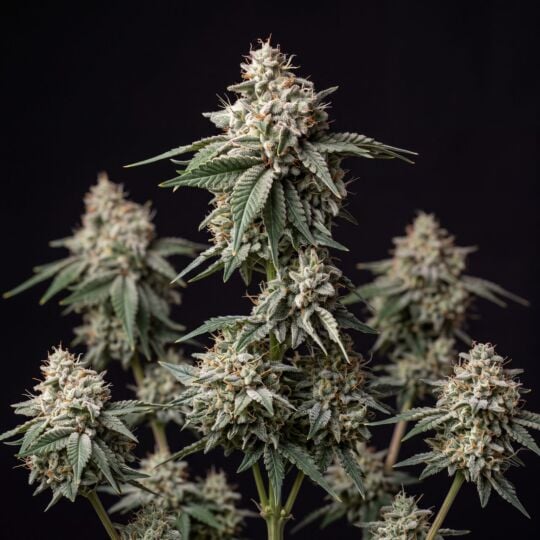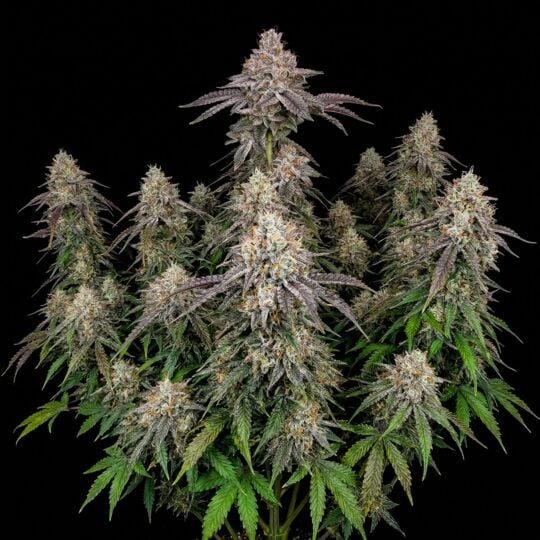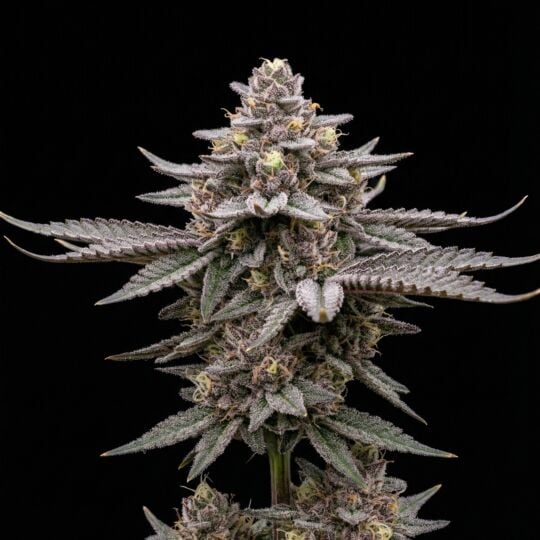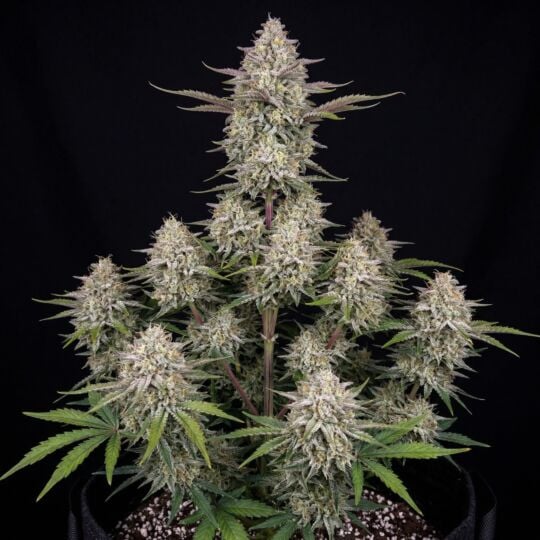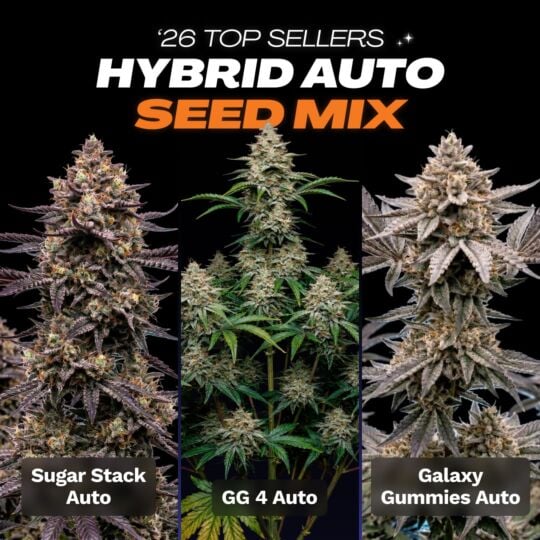


Autoflower Seeds
What Are Autoflower Cannabis Seeds?
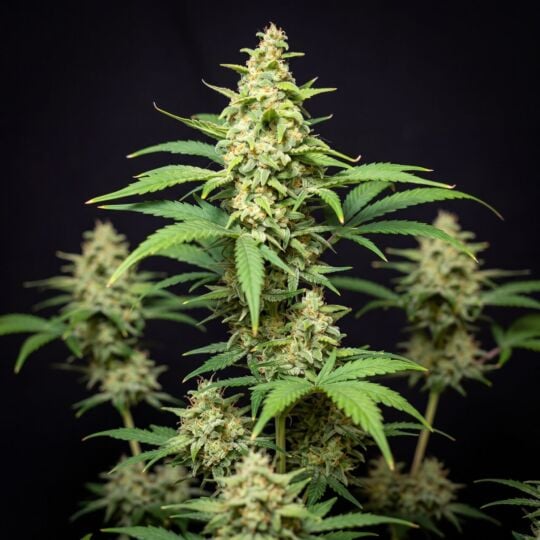
Autoflower cannabis seeds produce plants that flower automatically based on age rather than light schedule. The genetics come from crossing cannabis ruderalis, a small wild subspecies native to the Volga River region of southern Siberia, with indica and sativa varieties.
Ruderalis carries the age-based flowering trait, and modern autoflower seeds inherit that trigger while keeping the buds and aroma profiles growers expect from cannabis.
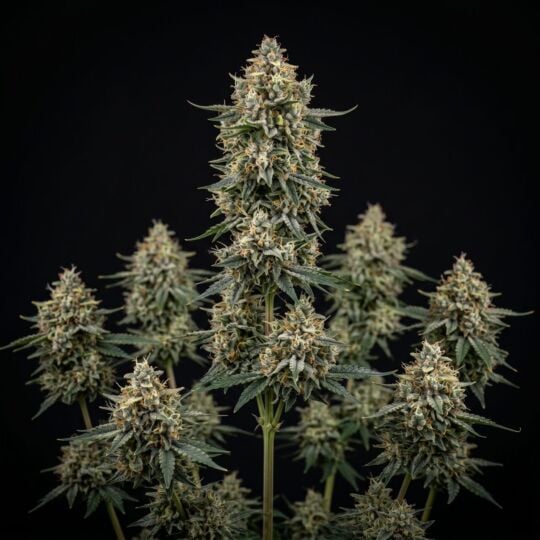
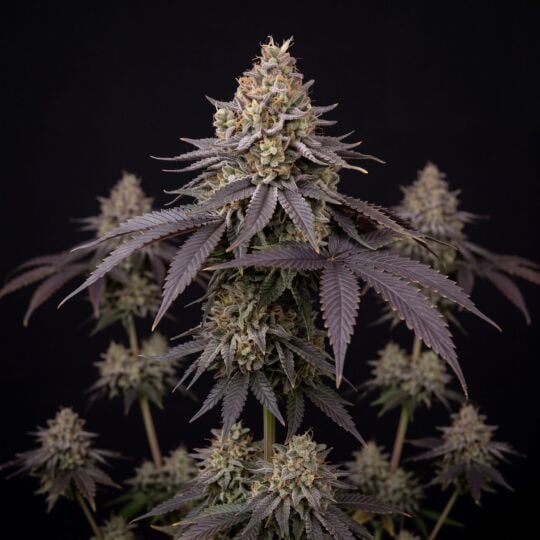
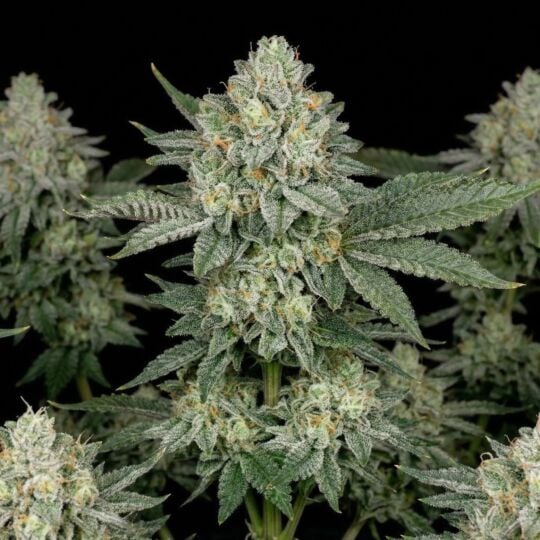
The result is a seed that runs from sprout to harvest in 8-10 weeks under most conditions. Autoflowering cannabis seeds also stay shorter than photoperiod plants, which makes them well-suited to small grow spaces.
How Do Autoflower Marijuana Seeds Differ From Photoperiod Seeds?
Autoflower seeds flower based on plant age, while photoperiod seeds flower in response to light-cycle changes. With photoperiod genetics, the grower keeps the plant under an 18/6 vegetative light schedule until it has reached the size they want, then flips to a 12/12 schedule to trigger bud formation.
With autoflowers, that flip never happens. The plant starts flowering on its own around weeks 3 to 4 from seed.
That single difference changes almost every grow decision. Autoflower seeds finish faster, stay smaller and forgive light-cycle mistakes. Photoperiod seeds take longer, grow bigger and yield more, but they require disciplined light control during the flowering stage.
The table below maps the practical differences across the attributes most buyers compare.
| Attribute | Autoflower seeds | Photoperiod seeds |
| Flowering trigger | Age 2 to 4 weeks from seed | Light cycle change (12/12) |
| Seed-to-harvest time | 8 to 10 weeks | Approx. 12-20 weeks |
| Plant size | Very short, short, medium | Short, medium, tall, very tall |
| Light schedule | 18/6 from seed to harvest | 18/6 veg, then 12/12 flower |
| Yield per plant | Less per plant | More per plant |
| Beginner difficulty | Lower | Higher |
| Outdoor flexibility | Multiple harvests per season possible | One harvest per season |
The table covers the attributes most buyers weigh when choosing between the two seed types. Use it as a shortlist when comparing specific strains across the catalog.
Who Should Buy Autoflower Cannabis Seeds?
Autoflower cannabis seeds fit growers who want fast, low-maintenance grows in small spaces or short outdoor seasons. The seed type suits four buyer profiles in particular:
- First-time growers: The simple light schedule and built-in flowering trigger remove the most common photoperiod mistake.
- Small-space growers: Compact plants fit tents, closets and small outdoor patches without aggressive training.
- Short-season outdoor growers: Northern latitudes and cool climates often run out of summer before photoperiod plants finish, but auto flower seeds finish in time.
- Discreet growers: The shorter, bushier plant structure keeps a grow harder to spot from a distance, where lawful.
Are Autoflower Seeds Good for Beginners?
Yes, autoflower seeds lower the learning curve for first-time growers because no light-schedule change is required. The plant starts flowering when it is ready, so the most common beginner mistake (flipping to 12/12 too early or too late with photoperiod genetics) is removed from the timeline entirely.
The shorter growing cycle can be a tradeoff, though. If a problem develops, you have less time to correct mistakes before the plant reaches harvest, whereas a photoperiod plant can remain in the vegetative stage longer and give you more time to recover. First-time growers who want the smoothest path from seed to harvest can also browse marijuana seeds for beginners for hand-picked beginner-friendly strains across seed types.
Do Autoflower Cannabis Seeds Work for Small Grow Spaces?
Yes, autoflower seeds produce compact plants that fit in tents, closets and small outdoor patches. Most autoflower strains finish between 18 to 36 inches (46 to 91 cm) tall, compared with the 3 to 6 feet (0.9 to 1.8 meters) typical of photoperiod plants.
Growers running tents under 4 feet (1.2 meters) tall, growers working in closets, and growers using small balconies all get a working plant size from autoflower seeds without aggressive topping or low-stress training.
Are Autoflower Weed Seeds Suited to Short Outdoor Seasons?
Yes, autoflower seeds finish a full seed-to-harvest cycle in 8 to 10 weeks, which works in regions with short summers. Outdoor growers in northern states often cannot finish a photoperiod plant before fall weather damages the buds, but autoflower weed seeds can run start-to-finish inside a single summer window.
Some growers in long-summer regions also run two or three autoflower harvests back-to-back from May through September.
Are Autoflower Seeds a Good Choice for Discreet Growing?
Yes, autoflower seeds stay shorter than photoperiod plants, which makes them easier to keep discreet where lawful. A 24-inch autoflower plant hides behind a railing or inside a small tent in ways a 5-foot photoperiod plant cannot. The shorter run from seed to harvest also reduces how long a grow has to stay set up.
What to Look for When Buying Autoflower Marijuana Seeds
Autoflower seed buyers compare genetics, flowering time, yield potential, feminization, pack size and breeder reputation before purchase. Each attribute shapes a different part of the grow. Below we cover what each one actually means for the buyer.
- Genetics: the parent strains driving aroma, structure and resilience.
- Flowering time: how many weeks from seed to harvest.
- Yield potential: how much flower a single plant produces on average.
- Feminization: whether the seeds produce female plants or a male/female mix.
- Pack size: how many seeds per purchase.
How Important Is Genetics in Auto Seeds?
Autoflower seed genetics determine flowering time, plant size, yield potential and resilience. The ruderalis influence drives the age-based flowering trait, but the indica or sativa parent decides almost everything else: aroma, flower density, terpene profile, internode spacing and how the plant responds to stress.
Growers comparing autoflower strains should treat parent lineage as the single most important attribute. Two autoflowers can finish at the same speed and still produce very different harvests because their indica or sativa parents are different.
What Flowering Time Should You Expect From Autoflower Seeds?
Autoflower seeds typically finish the full seed-to-harvest cycle in 8 to 10 weeks. Fast-finishing autoflower strains pull that timeline closer to 7 weeks. Slower autoflowers with heavy sativa lineage can stretch to 13 or 14 weeks, especially when the strain prioritizes bud development over speed.
Breeder listings usually publish a flowering window rather than a single number because environment, container size and light intensity all shift the finish line by a few days.
How Much Yield Do Autoflower Seeds Produce?
Autoflower seeds yield less than photoperiod seeds on average, but high-yield autoflower strains close the gap. A well-grown autoflower typically produces 3 to 6 ounces (85 to 170 grams) of dry flower per plant indoors, compared with the 4 to 12 ounces (113 to 340 grams) a photoperiod plant can reach under similar conditions. Outdoor autoflowers in good light can match or exceed indoor numbers.
Modern autoflower breeding has narrowed the yield difference significantly over the last decade. Buyers prioritizing harvest size can also browse the high yielding pot seeds collection for photoperiod-and-autoflower options selected for output.
Should You Choose Feminized Autoflower Seeds or Regular Autoflower Seeds?
Feminized autoflower seeds produce female plants almost every time, while regular autoflower seeds produce a mix of male and female plants.
Almost every commercial autoflower sold today is feminized because flower-focused growers want female plants and want to skip the sexing work. Regular autoflower seeds exist mainly for breeders working on new autoflower strain projects.
Growers running regular autoflower seeds will need to identify and remove male plants (see how to tell male vs female weed plant at the node). Buyers weighing this against photoperiod feminized seeds can compare the full tradeoffs in the feminized vs autoflower seeds breakdown.
What Pack Size Should You Buy?
Autoflower seed pack sizes at Seed Supreme range from 4 to 24 seeds, and the right pack depends on grow space, budget and experience.
Smaller packs of 4 seeds reduce per-grow cost and risk if the buyer is testing a new strain. Mid-range packs of 12 balance cost-per-seed against commitment to one set of genetics. Larger packs of 24 deliver the lowest per-seed cost and give the grower the most attempts to find a favorite phenotype from the same strain.
First-time autoflower growers often start with a 4-pack of one strain to confirm the genetics match their setup before committing to a larger pack.
Top Autoflower Seed Categories at Seed Supreme
Seed Supreme groups autoflower seeds into high-yield, fast-finishing, indica-leaning and sativa-leaning categories so buyers can narrow the catalog by the trait that matters most.
High-yield autoflower strains prioritize output per plant. Fast-finishing autoflowers compress the timeline below 8 weeks. Indica-leaning autoflowers stay short and dense with heavier, resin-coated buds. Sativa-leaning autoflowers run slightly longer and produce taller plants with looser flower structure.
Buyers comparing options across the catalog can use these category cuts as a starting filter before moving into individual strain pages.
How Autoflower Seeds Fit Into the Cannabis Seed Lineup
Autoflower seeds connect the cannabis seed lineup by combining speed and simplicity with the female-plant predictability buyers expect from feminized photoperiod genetics. Most modern autoflowers are sold as feminized autoflower seeds, which means they carry both traits: female-only expression and age-based flowering.
Growers who prefer photoperiod genetics with predictable female plants and bigger harvests usually start with feminized weed seeds. Cultivators prioritizing speed, small spaces or short outdoor seasons usually start with autoflower seeds. Breeders and experimental growers usually run regular seeds to keep both sexes available for new strain work.
How to Grow Autoflower Cannabis Seeds
Autoflower cannabis seeds grow in roughly the same conditions as photoperiod cannabis seeds, but their fixed timeline changes some grower decisions. The basics that follow apply where cultivation is lawful under federal, state and local rules.
Autoflowers do not have a separate vegetative stage the grower controls. The plant decides when to flower based on age, so common photoperiod techniques like long vegetative training or heavy late-stage topping work poorly on autoflower seeds. Low-stress training and early light topping are usually safer.
When Do Auto Seeds Start Flowering?
Autoflower seeds trigger flowering between weeks 3 and 4 from seed, regardless of light schedule. Some fast-finishing strains start showing pre-flowers as early as week 2.5. Some slower autoflowers wait until week 5. The grower's job is to make sure the plant is healthy and well-rooted by week 3 so it can support the flowering stage that follows.
What Light Schedule Do Autoflower Cannabis Seeds Need?
Autoflower cannabis seeds perform well under any schedule from 18 to 24 hours of light per day, with 18/6 the most common choice from seed to harvest. Some growers run 20/4 for slightly faster growth, and a few run 24/0 with no dark period at all.
The differences are small. The key point is that autoflower seeds do not need a 12/12 flip to trigger flowering, so the grower keeps the same schedule the entire run.
Buying Autoflower Seeds at Seed Supreme
Seed Supreme ships autoflower seeds to eligible adult buyers in U.S. locations where permitted by federal, state and local rules. The catalog covers feminized autoflower seeds, high-yield autoflowers, fast-finishing strains, and indica- or sativa-leaning autoflowers across multiple breeders. Pack sizes run from 4 to 24 seeds depending on the strain.
Seed Supreme stocks autoflower seeds alongside the rest of its cannabis seeds catalog. Eligible adult buyers should check federal, state and local rules before germinating any cannabis seeds.
- Auto
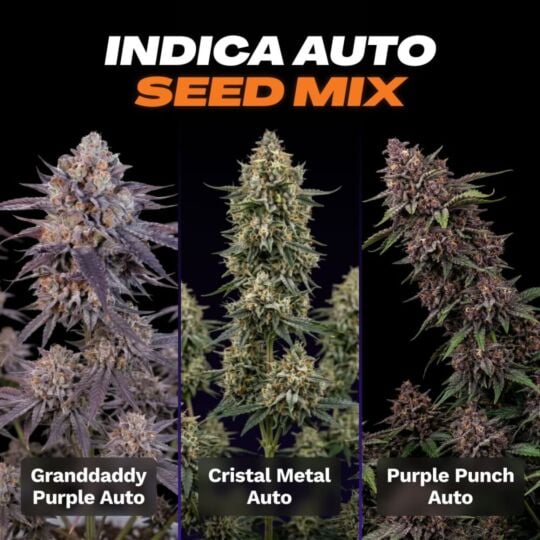
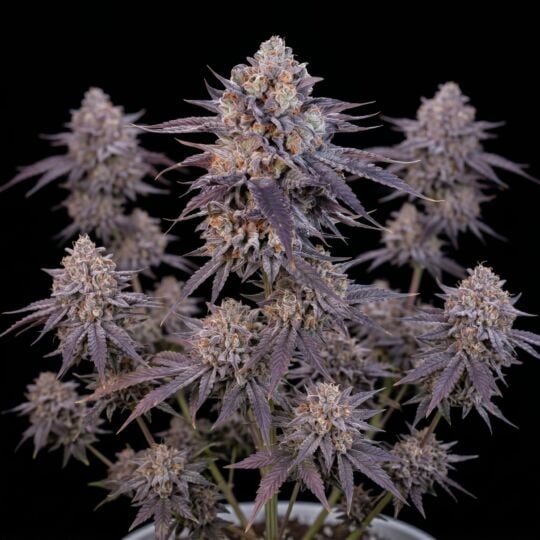 Granddaddy Purple Autoflower SeedsBestsellerBuy one get one free$59.00Variety: Mostly IndicaTHC Content: Very High (20-30%)In stock
 - Auto
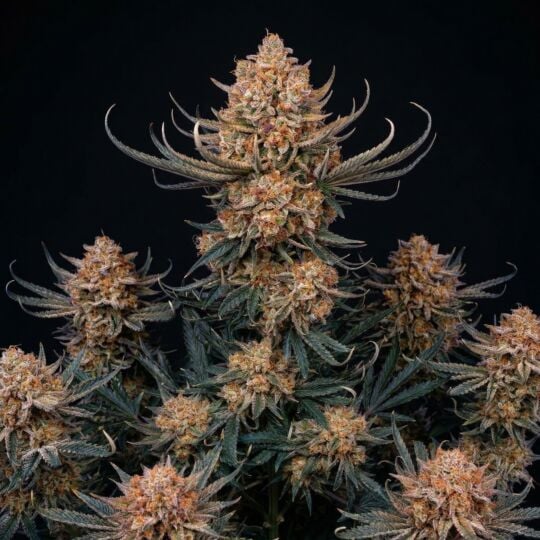 Hawaiian Snow AutoflowerBestsellerBuy one get one free$59.00Variety: Mostly SativaTHC Content: Very High (20-30%)In stock
 - Auto
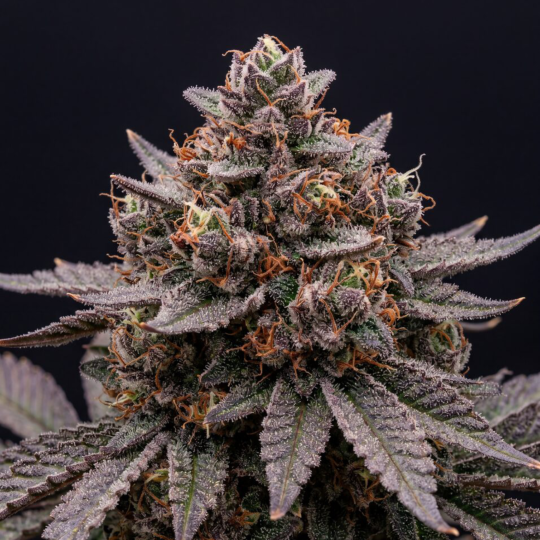 Gary Poppins Auto SeedsBuy one get one free$59.00Variety: Mostly IndicaTHC Content: Extremely High (over 30%)In stock
 - Auto
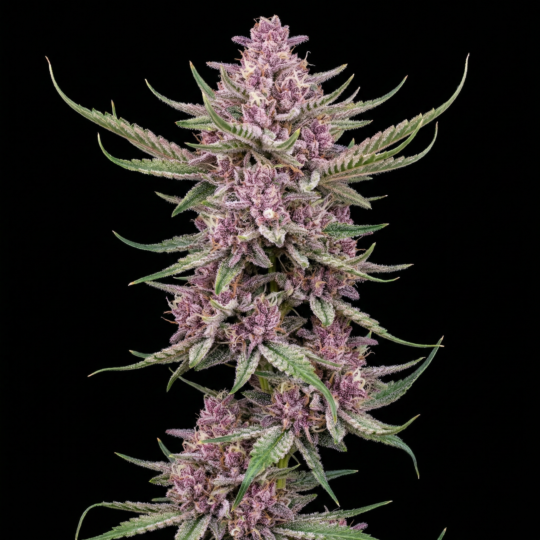 Black Cherry Punch AutoflowerBestsellerBuy one get one free$59.00Variety: Mostly IndicaTHC Content: Very High (20-30%)In stock
 - Auto
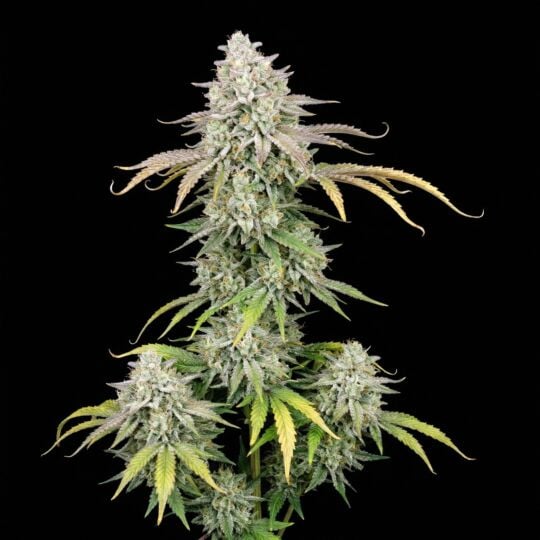 Blue Dream Autoflower SeedsBestsellerBuy one get one free$59.00Variety: Mostly SativaTHC Content: Very High (20-30%)In stock
 - Auto
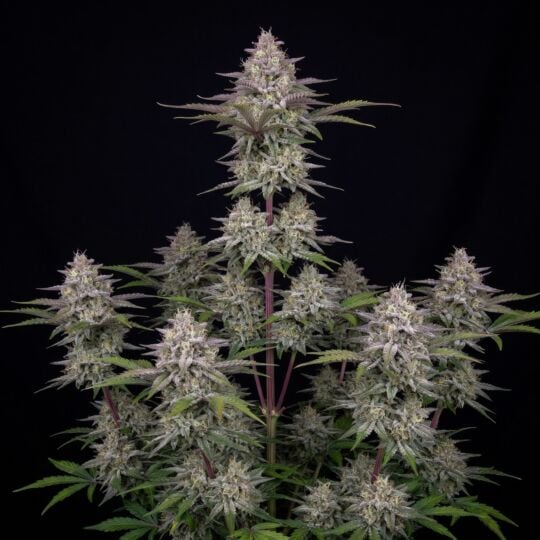 Wedding Cheesecake AutoflowerBestsellerBuy one get one free$59.00Variety: Mostly IndicaTHC Content: Very High (20-30%)In stock
 - Auto
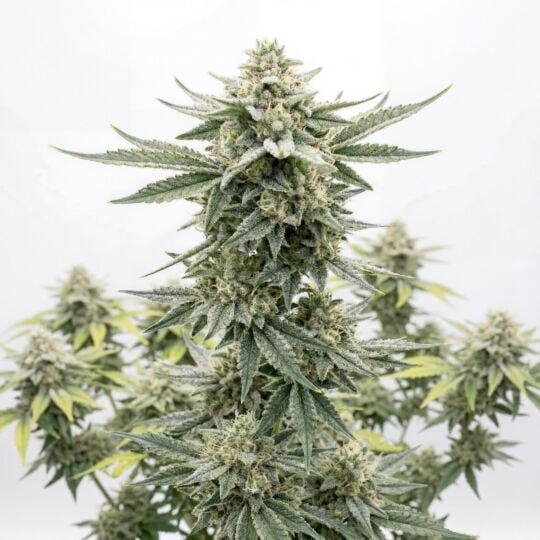 Mystic Gorilla AutoflowerBestsellerBuy one get one free$59.00Variety: Mostly SativaTHC Content: Very High (20-30%)In stock
 - Auto
 White Russian AutoflowerBestsellerBuy one get one free$59.00Variety: Mostly IndicaTHC Content: Very High (20-30%)In stock
 - Auto Garlic Juice Auto SeedsBuy one get one free$59.00Variety: Mostly IndicaTHC Content: Extremely High (over 30%)In stock
- Auto Sweet Berry AutoflowerBestsellerBuy one get one free$59.00Variety: Mostly IndicaTHC Content: High (15-20%)In stock
- Auto GG 4 Autoflower SeedsBestsellerBuy one get one free$59.00Variety: HybridTHC Content: Very High (20-30%)In stock
- Auto Northern Lights Autoflower SeedsBestsellerBuy one get one free$59.00Variety: Mostly IndicaTHC Content: Very High (20-30%)In stock
- Auto Jack Cookies AutoflowerBestsellerBuy one get one free$59.00Variety: Mostly SativaTHC Content: Very High (20-30%)In stock
- Auto Durban Poison Autoflower SeedsBestsellerBuy one get one free$59.00Variety: SativaTHC Content: Very High (20-30%)In stock
- Auto OG Kush Autoflower SeedsBestsellerBuy one get one free$59.00Variety: HybridTHC Content: Very High (20-30%)In stock
- Auto Godfather OG AutoflowerBestsellerBuy one get one free$59.00Variety: Mostly IndicaTHC Content: Very High (20-30%)In stock
- Auto White Widow Autoflower SeedsBestsellerBuy one get one free$59.00Variety: Mostly IndicaTHC Content: Very High (20-30%)In stock
- Auto Tropicanna Cookies AutoflowerBestsellerBuy one get one free$59.00Variety: Mostly SativaTHC Content: Very High (20-30%)In stock
- Auto Lemon Kush AutoflowerBestsellerBuy one get one free$59.00Variety: Mostly IndicaTHC Content: High (15-20%)In stock
- Auto Moonbow AutoflowerBestsellerBuy one get one free$59.00Variety: Mostly IndicaTHC Content: Very High (20-30%)In stock
- Auto Jack Herer Autoflower SeedsBestsellerBuy one get one free$59.00Variety: Mostly SativaTHC Content: High (15-20%)In stock
- Auto Super Lemon Haze AutoflowerBestsellerBuy one get one free$59.00Variety: Mostly SativaTHC Content: High (15-20%)In stock
- Auto Black Jack Autoflower SeedsBuy one get one free$59.00Variety: HybridTHC Content: Very High (20-30%)In stock
- Auto Acapulco Gold Autoflowering SeedsBestsellerBuy one get one free$59.00Variety: Mostly SativaTHC Content: High (15-20%)In stock
- Auto Sour Diesel Autoflower SeedsBuy one get one free$59.00Variety: Mostly SativaTHC Content: Very High (20-30%)In stock
- Auto Cristal Metal AutoflowerBestsellerBuy one get one free$59.00Variety: IndicaTHC Content: Very High (20-30%)In stock
- Auto Do-Si-Dos Autoflower SeedsBuy one get one free$59.00Variety: Mostly IndicaTHC Content: High (15-20%)In stock
- Auto Sour Glue AutoflowerBuy one get one free$59.00Variety: HybridTHC Content: Very High (20-30%)In stock
- Auto Grandaddy Glue AutoflowerBestsellerBuy one get one free$59.00Variety: Mostly IndicaTHC Content: Very High (20-30%)In stock
- Auto G13 Autoflower SeedsBuy one get one free$59.00Variety: HybridTHC Content: Very High (20-30%)In stock
- Auto Power Plant AutoflowerBuy one get one free$59.00Variety: Mostly SativaTHC Content: High (15-20%)In stock
- Auto Khalifa Kush Autoflower SeedsBestsellerBuy one get one free$59.00Variety: Mostly IndicaTHC Content: Very High (20-30%)In stock
- Auto Apricot AutoflowerBuy one get one free$59.00Variety: Mostly IndicaTHC Content: Very High (20-30%)In stock