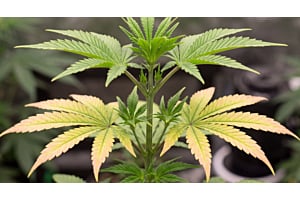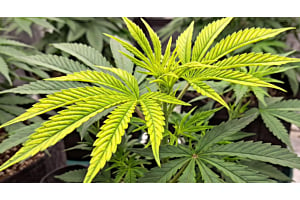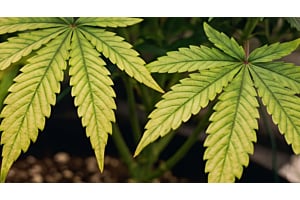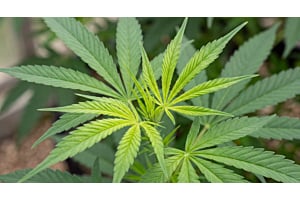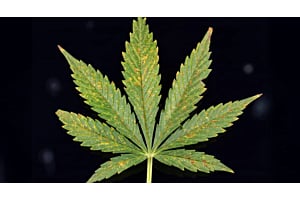
The Rainbow Kush strain is a balanced hybrid with Dancehall and Blueberry genetics. It's known for gorgeous buds, tropical fruit flavors and a relaxed, uplifting high. At around 18% THC, this weed strain hits a comfortable middle ground for both casual and regular tokers. The effects are energizing and relaxed rather than sedating, making it a versatile pick for daytime use and evening sessions alike.
What is the Rainbow Kush Strain?
Rainbow Kush is a balanced hybrid strain with a reputation for vivid multi-colored buds and sweet fruity flavors. It descends from Dancehall and Blueberry, two cultivars whose combined genetics land it squarely in 50/50 hybrid territory. At around 18% THC, it's potent enough to satisfy experienced consumers without overwhelming most adults who approach it thoughtfully.
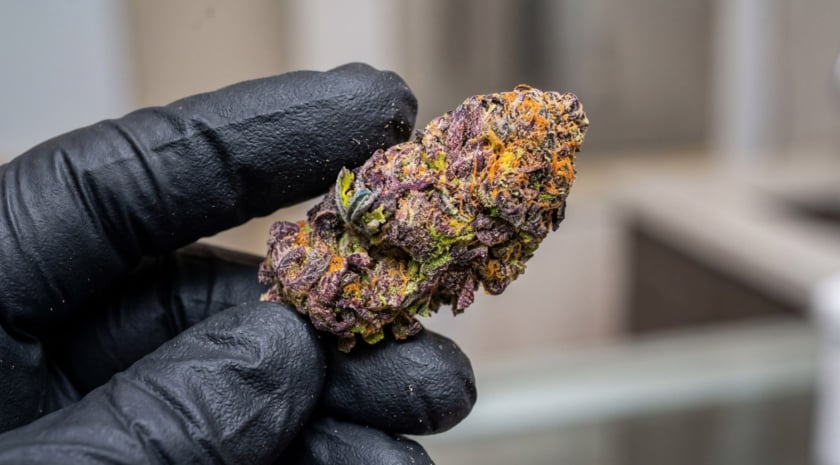
The name pays off in the flowering stage. Rainbow Kush buds shift through a wide spectrum of colors as the plant approaches harvest. Greens give way to purples, warm oranges and softer pinks as temperatures drop in the final weeks.
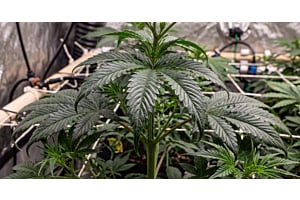
The structure stays compact with little side-branching, which is one reason it thrives in tighter grow setups and suits growers who prefer a manageable canopy.
Effects are commonly described as relaxed and tingly with an uplifting quality that keeps you alert rather than glued to the couch. It's not a sedating indica and it's not a racy sativa, but something comfortably balanced in between. Most consumers find it works across different times of day and social contexts, which gives it versatility.
Rainbow Kush seeds are commonly produced in feminized and autoflower formats, with phenotype expression varying by breeder, grower experience and growing environment.
Rainbow Kush Strain Quick Facts
Use this quick facts table to compare Rainbow Kush by type, genetics, THC range, effects, flavor, terpenes, growing difficulty and seed availability.
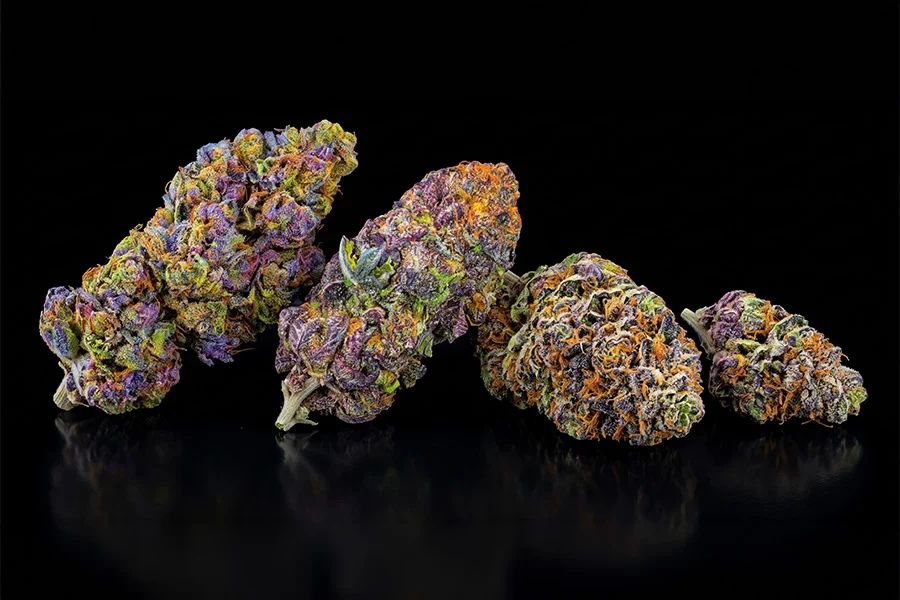
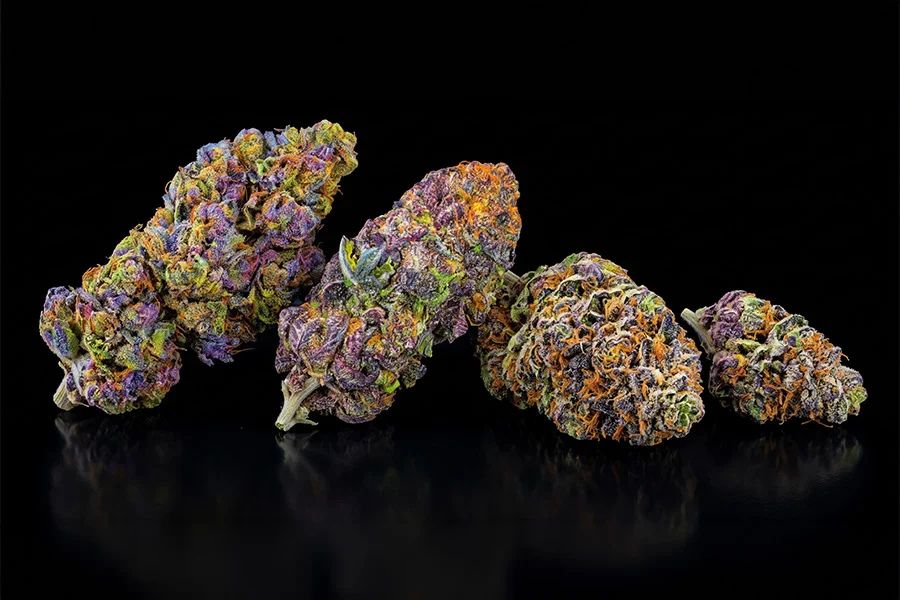
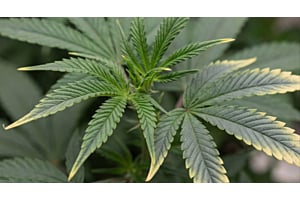
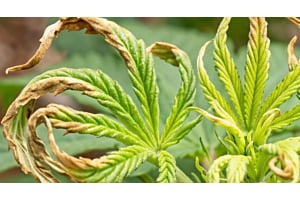
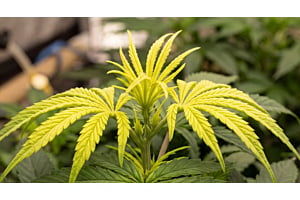
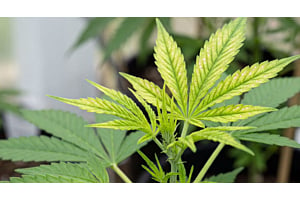
Four healthy cannabis buds, dense, frosty, and full of natural color.
| Property | Value |
| Strain Name | Rainbow Kush |
| Also Known As | Rainbow, Rainbow Bud |
| Type | Balanced Hybrid |
| Ratio | 50% Indica / 50% Sativa |
| Genetics | Dancehall × Blueberry |
| THC Rang | ~18% |
| Main Effects | Relaxed, Tingly, Aroused, Euphoric, Energizing |
| Flavor | Sweet, Tropical, Apricot |
| Aroma | Citrus, Fruity, Sweet, Earthy |
| Dominant Terpenes | Myrcene, Caryophyllene, Pinene |
| Flowering Time | ~9-10 Weeks |
| Grow Difficulty | Beginner-Friendly |
| Best Environment |
Indoor (SOG recommended) |
| Seed Availability | Feminized and Autoflowering |
Is Rainbow Kush Indica or Sativa?
Rainbow Kush is usually classified as a balanced 50/50 hybrid, meaning neither indica nor sativa genetics dominate the experience. Its parent strains tell the story well. Dancehall brings the energizing, uplifting sativa character, while Blueberry supplies the calming, body-relaxing indica foundation.
In practice, that balance shows up as an effect profile that feels alert and mood-lifting early on. It then settles into a relaxed body state without pulling you toward sleep. That makes it one of the more useful hybrids if you want to stay productive but still unwind.
Plant structure leans toward the indica side in physical terms. The compact, low-branching growth pattern is a Blueberry trait, even though the effects lean more sativa at peak. That split between how it grows and how it feels is part of what makes Rainbow Kush interesting to both growers and consumers.
The 50/50 balance also means Rainbow Kush suits a wider range of consumers than cultivars that tip hard in either direction. Users who find pure indicas too sedating and pure sativas too racy often land on balanced hybrids. Rainbow Kush is one of the easier ones to manage in that role, given its moderate potency ceiling and fast onset.
Classification can vary by breeder, phenotype and source, so hybrid works as a general guide rather than an exact prediction of effects. The effects section below will give you a more granular read on what to expect and when.
Rainbow Kush Genetics and Lineage
Rainbow Kush descends from Dancehall and Blueberry, two cultivars whose genetics shape every aspect of what this strain produces. The cross is commonly reported across major strain databases, with these strains listed as the confirmed parent pair in the most widely cited sources.
Dancehall is a sativa-leaning hybrid known for its uplifting, creative effects and tropical flavor profile. It contributes the energizing character you notice in Rainbow Kush's effects and the tropical, apricot taste that carries through on the exhale. Dancehall also contributes the fast-finishing genetics that keep Rainbow Kush on a shorter cycle.
Blueberry is an indica-dominant classic bred for its berry sweetness, compact bud structure and generous resin production. It's responsible for Rainbow Kush's dense, trichome-coated buds and low-branching growth pattern.
The vivid color display Rainbow Kush is named for also traces back to Blueberry's genetics. Colors intensify in cooler late-flowering temperatures, which is when the rainbow effect reaches its peak
Both parents share a trait worth noting: neither is a difficult cultivar to work with. Rainbow Kush inherits that accessibility, which is part of why it shows up as a beginner recommendation on grow forums and seed guides alike
You'll occasionally see "Rainbow Kush" used to describe a separate indica-dominant cultivar derived from Kush genetics rather than Dancehall and Blueberry. This strain review covers the Dancehall × Blueberry lineage, which is the version most widely documented across strain databases.
While Rainbow Kush genetics influence what growers see in plant structure, flowering time, resilience and aroma direction, specific growing outcomes vary by phenotype, environment and grower skill.
Rainbow Kush THC and Cannabinoid Profile
Rainbow Kush is commonly listed as having 18% THC, with exact potency depending on phenotype, grow conditions and testing source. That puts it in a mid-to-high range that satisfies most consumers without aggressively chasing the ceiling.
At 18%, you're working with something that delivers a clear, defined high rather than a barely-there buzz. Experienced consumers will find it comfortable as an everyday cultivar. Most adults can work with a dose in this range without feeling overloaded, as long as they're calibrating intake sensibly.
Nonetheless, beginners or low-tolerance consumers should approach higher-THC strains carefully because reported strength can vary between growers and samples. Starting small and waiting out the onset before adding more is always the right call in this potency range.
| Cannabinoid | Range | Notes |
| THC | ~18% | Commonly listed; varies by grow, harvest timing and testing source |
The 18% figure reflects averages across many tested samples rather than a guaranteed number. A well-optimized grow with dialed-in harvest timing and a thorough cure could potentially push that number upward.
A rushed grow or an early chop tends to leave potency on the table. Managing expectations around that variability is part of working with any cannabis cultivar in this range.
What Are the Effects of Rainbow Kush?
The effects of Rainbow Kush are commonly listed as relaxing, tingly and aroused, with an experience described as balanced and energizing rather than sedating. The effect profile sits comfortably between functional and recreational, making it a reasonable pick for daytime social settings and low-key evenings alike.
The high typically opens with a mood lift. Stress and tension ease off quickly, replaced by a lighter, more optimistic mental state. This uplifting phase draws on Dancehall's sativa genetics and tends to land fast without feeling overwhelming. You'll notice it within the first few minutes and reach the peak within 15 to 20 minutes for most consumers.
From there, the body follows. A tingly, warm relaxation spreads across the limbs without the heavy pull toward sleep that a hard indica delivers. It's pleasantly mellow rather than couch-locking, and most consumers can stay active, hold conversations and go about their afternoon without the high interfering.
The aroused quality that Rainbow Kush users frequently report is worth flagging. It's one of the more consistently noted effects, especially in social or relaxed settings where the mood is already upbeat. It shows up consistently enough in user reports that it belongs in any honest effects profile of this strain.
Happy euphoria rounds out the effect set. The overall mood character tends to stay positive and content throughout the session rather than peaking hard and crashing. Rainbow Kush delivers more of a plateau experience, which is part of what makes it a reliable cultivar. Most users don't find themselves chasing the high or crashing hard once it fades.
| Effect | Intensity | Best Time | Notes |
| Relaxed | Medium | Day / Evening | Tension fades without sedation |
| Tingly | Medium | Day / Evening | Warm, pleasant body sensation |
| Aroused | Medium | Any | Consistently reported; mood-enhancing |
| Euphoric | Medium | Any | Happy, lifted mood throughout |
| Energizing | Medium | Day | Uplifting but not racy or overstimulating |
Rainbow Kush Side Effects and Beginner Caution
Rainbow Kush may cause dry mouth, dry eyes and occasional anxiety in some users, especially those new to cannabis or high-THC cultivars. These are the most commonly reported downsides, and none of them are unusual for a cultivar in this potency range.
Dry mouth and dry eyes are standard with most cannabis use. Staying hydrated before and during your session handles the mouth side. Eye drops handle the rest. Neither is a reason to avoid the strain, just something to plan for ahead of time.
Anxiety is a more situational concern. Like many high-THC strains, Rainbow Kush can produce discomfort for users with very low tolerance or those who significantly overshoot their dose. If you're sensitive to THC-induced anxiety, starting with a small amount in a calm setting is the practical approach.
Some users also report dizziness or mild paranoia, particularly at higher doses. These effects are less common but worth knowing about if you're newer to this strain.
Sensible dosing and a comfortable environment go a long way with any cultivar in this range.
Rainbow Kush Flavor and Aroma Profile
The Rainbow Kush cannabis strain’s flavor profile is usually described as sweet and tropical with apricot notes, while the aroma carries citrus, fruity and earthy character on the nose.
The flavor opens sweet. The dominant impression on the inhale is fruit, with a tropical warmth that settles across the palate quickly. Apricot is the note that most consumers pull out specifically. It shows up cleanly, not buried beneath dank or diesel, which gives Rainbow Kush a brighter, lighter profile than many of its hybrid counterparts
On the exhale, the sweetness carries through with a slight tangy edge. Some consumers pick up on citrus or grapefruit in the finish. Pineapple comes through occasionally, especially in well-grown batches where the terpenes have had time to fully develop. The aftertaste is soft and sweet rather than sharp or lingering.
The smoke itself is smooth. There's no harshness on the throat that would cut a session short, and the overall character stays light even across longer use. Some users describe it as similar to a tropical candy in taste and character. That tracks with the Dancehall genetics, which contribute much of the strain's flavor direction.
Aroma separates a little from the flavor in character. Before you break the buds, Rainbow Kush carries a fresh, fruity sweetness with citrus and subtle earthiness underneath. When you grind it, the aroma opens up with more intensity. Grapefruit and sweet fruit push forward, and the earthy base becomes more pronounced.
The exhale aroma runs noticeably sweeter than the cold-nose smell, which is typical of how tropical profiles express when heated.
Compared to similar strains in the fruity hybrid category, Rainbow Kush leans sweeter and lighter than earthy or fuel-forward crosses. It won't give you the dank heaviness of a Kush-dominant cultivar or the sharp citrus edge of a limonene-heavy strain. The profile is tropical and soft, which is part of what makes it approachable.
What Terpenes Does Rainbow Kush Have?
Rainbow Kush's terpene profile is commonly associated with myrcene as the dominant terpene, supported by caryophyllene and pinene.
Myrcene is the most commonly reported terpene in Rainbow Kush and the one behind the earthy, musky base beneath the tropical fruitiness. It's common across cannabis broadly, and in Rainbow Kush it contributes a soft herbal groundedness that keeps the profile from going too sharp or bright.
Caryophyllene adds a spicy, peppery edge to the aroma and flavor. It's subtle here rather than forward, but it adds a peppery kick to the exhale that keeps the flavor from reading as purely sweet. In Rainbow Kush, it shows up most clearly on the exhale, where the pepper note contrasts gently with the tropical sweetness.
Pinene rounds out the terpene picture with a fresh, clean note that reads as piney freshness. In Rainbow Kush, it shows up lightly in the background and contributes to the overall brightness of the aroma, particularly on freshly ground flower.
| Terpene | Aroma / Flavor | Prevalence |
| Myrcene | Earthy, musky, herbal | Dominant |
| Caryophyllene | Spicy, peppery | Supporting |
| Pinene | Pine, fresh, clean | Supporting |
Myrcene grounds the base, pinene adds fresh brightness at the front end and caryophyllene brings just enough spice to give the exhale texture. Understanding the terpene profile also helps you predict what similar strains might taste and feel like relative to Rainbow Kush.
What Does Rainbow Kush Look Like?
Rainbow Kush buds are usually compact and densely packed, displaying a wide spectrum of colors through late flowering. A glossy trichome coat covers the finished flower from base to tip.
The structure is tight with little side-branching, and that characteristic carries through to the bud formation. Buds form dense, well-defined clusters rather than airy, loosely-set flowers.
Color is the headline feature. The green base you see in early flowering gives way to purples, oranges and softer warm hues in the final weeks.
The vivid color range this strain is named for comes down to genetics first: a Blueberry-inherited predisposition for anthocyanin production is what makes the display possible, with cooler late-flowering temperatures drawing that pigmentation out to its fullest expression.
Controlled indoor environments give you more influence over that temperature swing than outdoor grows do. The final look is a genuine mix of tones, which is where the Rainbow name comes from.
The trichome coating is generous. A well-grown Rainbow Kush plant finishes with a glossy resin layer that's visible to the naked eye and gives the buds a frosted, glimmering appearance. That density of resin reflects the Blueberry genetic contribution, which is a high-resin parent cultivar.
Phenotype variation is real with this strain. Not every grow produces the same color range or the same level of visual drama. Environmental factors, including temperature in late flowering and the specific phenotype you're working with, influence the final appearance considerably.
Expect the compact, trichome-heavy structure to stay consistent, but leave room for color variation batch to batch.
Growing the Rainbow Kush Strain
Rainbow Kush grows as a beginner-friendly cultivar suited to both indoor and outdoor environments, reaching compact heights with a flowering cycle of 9-10 weeks.
The plant's compact, low-branching structure fits naturally into smaller tents and shared grow spaces. It doesn't demand aggressive training to stay manageable, which is part of why beginners frequently find success with it.
The Sea of Green (SOG) method is the most consistently cited match for Rainbow Kush's structure and fast-finishing nature. Dense canopy planting in a controlled indoor environment is where it tends to perform best.
Here's what to expect from each environment:
- Growing Rainbow Kush Indoors: tent fit, SOG suitability and yield expectations.
- Growing Rainbow Kush Outdoors: climate preference, harvest timing and color development.
Rainbow Kush seed types and growing expectations vary across feminized and autoflower options, with each format suiting different setups, experience levels and harvest goals.
Always check federal, state and local rules before growing cannabis at home.
Growing Rainbow Kush Indoors
Rainbow Kush grows indoors with a compact structure that fits standard tent setups, flowering in 9-10 weeks. Indoor yields come in around 1.5 oz per square foot (450g/m²) under well-managed conditions.
The low-branching growth pattern keeps vertical management simple. You won't be wrestling with excessive stretch or canopy overgrowth during the transition period. Plants stay contained and run efficiently in small-to-mid-sized tents without crowding the space.
SOG is the method most consistently recommended for indoor Rainbow Kush grows. Dense planting works well with the short stature and fast finishing, letting you maximize canopy coverage efficiently. You don't have to run SOG, but it suits Rainbow Kush better than training methods built for taller, stretchier cultivars.
Final results depend on environment, plant density and how thoroughly the crop is managed through flowering and cure.
Growing Rainbow Kush Outdoors
Rainbow Kush grows outdoors in temperate climates, with the signature color display peaking as temperatures drop toward the late-season harvest window.
The compact structure that makes Rainbow Kush easy to manage indoors translates well to outdoor grows. Plants stay at a manageable height and don't usually require the support or staking that taller, stretchier cultivars need. That makes it a reasonable pick for growers working in garden settings or on smaller outdoor plots.
Rainbow Kush's color display is rooted in its Blueberry-inherited genetics, with the strain's predisposition to anthocyanin production reaching its peak as autumn temperatures cool in the final weeks of the season. Growers who time their harvest around cooler periods can expect more vivid purples and orange tones in the finished buds.
Outdoor yield data for this cultivar isn't widely published, so expect moderate results based on the plant's compact structure and fast-finishing character. A sunny, well-ventilated space in a temperate climate is where Rainbow Kush performs most predictably outdoors.
Rainbow Kush Seeds: What Growers Should Know
Rainbow Kush seeds give growers the opportunity to cultivate this balanced hybrid from seed to harvest, with seed type shaping flowering time, yield and final color expression.
Feminized seeds are the most widely available format for Rainbow Kush and the standard starting point for growers focused on bud production. Virtually all seeds in a feminized batch germinate as female plants, cutting out most of the plant-sexing work from your grow.
An occasional hermaphrodite can still appear even in feminized stock, so it's worth keeping an eye on plants through the flowering stage.
Autoflower seeds offer a different entry point. They run on an internal timer rather than a light cycle, which suits growers who want setup flexibility or a faster turnaround. Autoflowering Rainbow Kush plants can finish significantly faster than photoperiod versions, making them a practical option for shorter seasons or more frequent harvests.
You'll find a broad selection of weed seeds at Seed Supreme, available for cultivation where permitted by law. Rainbow Kush seed types and available pack sizes vary across feminized and autoflower formats. Each format suits different setups, climates, and grower experience levels, with flowering time and yield expectations shifting to match.
How Does Rainbow Kush Compare to Similar Strains?
Compare Rainbow Kush with similar strains if you want a different effect profile, flavor direction, potency level or genetic background.
| Strain | Flavor | THC | Choose This If You Want |
| Fruity Pebbles OG | Fruity, Sweet, Tropical, Pine | 20-30% | Rainbow Kush's fruity profile with a stronger kick. |
| California Dream | Blueberry, Pine, Chemical | 15-20% | A similar potency range with Blueberry flavors. |
| Purple Gelato | Flowery, Violet | 20-30% | A colorful hybrid with more potency & a floral profile. |
| Rainbow Chip | Berry, Sweet | 20-30% | The Rainbow name family with a richer dessert character. |
| Rainbow Glue | Citrus, Sweet | 20-30% | More indica depth & Zkittlez-driven sweetness in a colorful hybrid. |