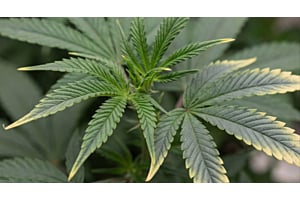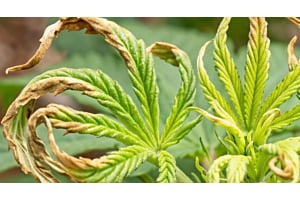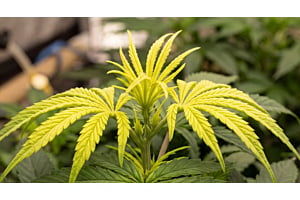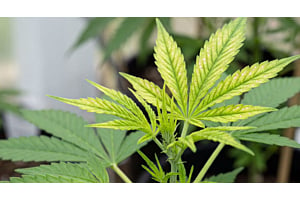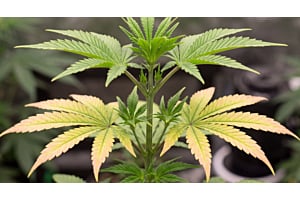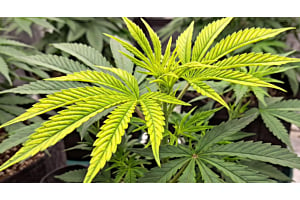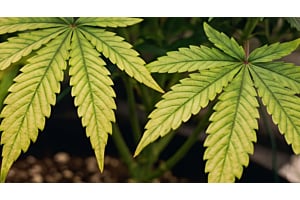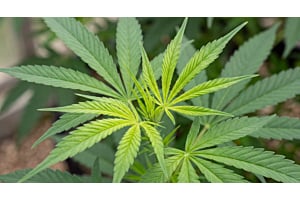
What Is the Difference Between Feminized and Autoflower Cannabis Seeds?
Feminized cannabis seeds and autoflower cannabis seeds answer two different questions about the plant: sex and flowering trigger. Feminized cannabis seeds produce female plants almost every time. Autoflower cannabis seeds start flowering automatically based on plant age, without any change in the light schedule.
Most autoflower seeds sold today are also feminized, so the real choice for most buyers is between photoperiod feminized seeds and autoflower feminized seeds.
What Are Feminized Cannabis Seeds?
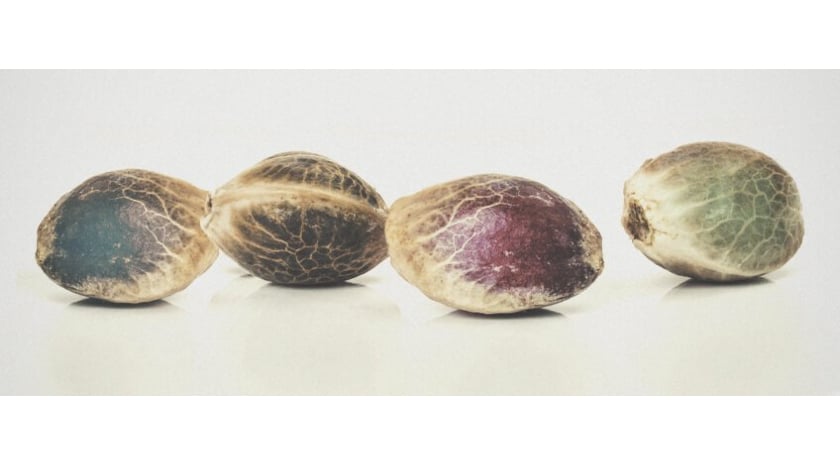
Feminized cannabis seeds produce female cannabis plants in virtually all cases, with reported female outcomes around 99% in stable breeder lines. Female weed plants are the ones that grow buds, so feminized seeds remove the male-plant guesswork that comes with regular cannabis seeds.
Breeders create feminized seeds by treating a female plant with a chemical catalyst (most commonly silver thiosulfate, colloidal silver or gibberellic acid), which induces it to grow pollen-producing male flowers. That pollen is then used to pollinate another female plant.
Because both parents contribute only X chromosomes, virtually all the resulting seeds grow into female plants. The category covers two sub-types: photoperiod feminized seeds and autoflower feminized seeds.
What Are Photoperiod Feminized Seeds?
Photoperiod feminized seeds start flowering when the light schedule shifts from 18 hours on to 12 hours on, which growers call "the flip to 12-12." The plant reads day length as a signal that the season is changing and switches from vegetative growth into flowering.
This gives the grower full control over plant size, harvest timing and total yield. Photoperiod feminized cannabis seeds are the standard choice for indoor grows where the grower controls the lights and for outdoor grows that finish by the natural fall light shift.
What Are Autoflower Cannabis Seeds?
Autoflower cannabis seeds start flowering automatically a few weeks after germination, typically around weeks 3 to 4, without any change in the light schedule. They carry genetics from cannabis ruderalis, a wild autoflowering variety native to the Volga River region of southern Siberia, which evolved to flower based on plant age rather than day length.
Most autoflower seeds on the commercial market are also feminized, so the buyer gets predictable female plants and predictable flowering timing in the same seed. Autoflower weed plants stay compact, finish fast and tolerate light-schedule mistakes that would ruin a photoperiod grow.
Feminized vs Autoflower Cannabis Seeds Side-by-Side
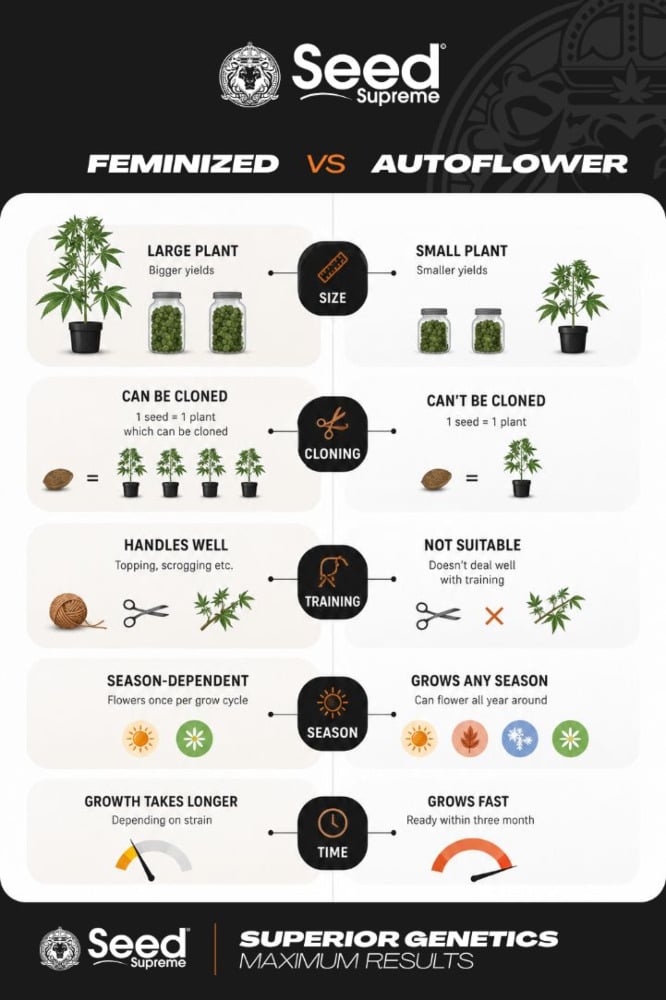
The table below compares feminized cannabis seeds and autoflower cannabis seeds across the six attributes that drive most buyer decisions.
| Attribute | Feminized (photoperiod) | Autoflower | Buyer impact |
| Sex outcome | ~99% female | ~99% female (when feminized) | Both remove male-plant guesswork |
| Flowering trigger | Light schedule shift to 12-12 | Plant age, around 3 to 4 weeks | Determines whether the grower controls timing |
| Seed-to-harvest time | 14 to 22 weeks | 7 to 14 weeks | Drives how fast you finish |
| Yield per plant | Larger on average | Smaller on average | Drives total harvest weight |
| Plant size | 3 to 6+ feet, controllable | 2 to 4 feet, limited control | Drives space needs |
| Light schedule sensitivity | High, light leaks can stress the plant and delay flowering | Low, light leaks rarely matter | Drives how much grow-room precision is needed |
The numbers above are commercial averages reported by breeders. Actual outcomes depend on genetics, growing environment and lawful cultivation conditions.
How Feminized and Autoflower Cannabis Seeds Differ in Detail
Feminized cannabis seeds and autoflower cannabis seeds diverge across five buyer-relevant attributes: flowering trigger, lifecycle length, yield, plant size and grower difficulty. Each attribute below covers what the difference actually means once the grow starts.
- Flowering trigger — what makes the plant start producing buds
- Lifecycle length — how long the grow takes from seed to harvest
- Yield per plant — how much bud each plant produces
- Plant size and space — how much room each plant needs
- Grower difficulty — what each seed type asks of the grower
Flowering Trigger: Light Schedule vs Plant Age
Feminized cannabis seeds flower when the grower shifts the light schedule to 12-12, while autoflower cannabis seeds flower on plant age alone. Photoperiod feminized weed plants stay in vegetative growth for as long as the light stays at 18 hours on, which means the grower decides when the plant flips.
Autoflower marijuana plants ignore the light schedule and start flowering around week 3 or 4 no matter what. This is the single biggest mechanical difference between the two seed types, and it drives everything else in the comparison.
Lifecycle Length: 14-22 Weeks vs 7-14 Weeks
Photoperiod feminized cannabis seeds run 14 to 22 weeks from seed to harvest, while autoflower cannabis seeds finish in 7 to 14 weeks, with most varieties landing in the 8 to 10 week window.
The photoperiod timeline includes 4 to 12 weeks of vegetative growth plus 8 to 10 weeks of flowering. The autoflower timeline compresses everything because there is no separate veg phase, the plant grows and flowers in one short cycle.
For growers running multiple harvests per year, autoflower cannabis seeds can deliver three to four cycles in the same window where photoperiod feminized seeds deliver two.
Yield Per Plant: Bigger Harvest vs Faster Harvest
Feminized cannabis seeds produce larger harvests per plant on average, while autoflower cannabis seeds produce smaller harvests faster. Photoperiod feminized weed plants grow larger because the grower controls how long they stay in vegetative growth, and bigger plants carry more bud sites.
Autoflower marijuana plants stay smaller because their flowering trigger is age-locked, so they cannot be vegged into giants. The total weight per plant is usually higher for feminized photoperiod, but the weight per week of grow time can favor autoflower for fast-turnover setups.
Plant Size and Space: Tall and Wide vs Compact
Photoperiod feminized cannabis seeds grow into larger plants that need vegetative time and headroom, while autoflower cannabis seeds stay compact at 2 to 4 feet. Photoperiod feminized weed plants can reach 3 to 6+ feet indoors and even taller outdoors, especially sativa-dominant strains that stretch hard in early flowering.
Autoflower cannabis plants stay small because the ruderalis genetics cap their vegetative phase. For small tents, balcony grows, stealth setups and outdoor grows in short seasons, autoflower seeds fit the space better.
Grower Difficulty: Light Control vs Stress Sensitivity
Feminized cannabis seeds require strict light-schedule control during flowering, while autoflower cannabis seeds demand low-stress handling from day one. Photoperiod weed plants flower based on light cues, so any light leak during the 12-hour dark period can stress the plant, delay flowering or trigger hermaphrodite traits.
Autoflower marijuana plants ignore light leaks but cannot recover from training mistakes the way photoperiod plants can, because their short lifecycle leaves no time to bounce back. Neither seed type is harder overall, they ask different things from the grower.
Which Cannabis Seeds Should You Choose, Feminized or Autoflower?
Feminized cannabis seeds fit growers who want larger harvests and accept a longer timeline, while autoflower cannabis seeds fit growers who want a faster, smaller and simpler grow. Grow environment also plays a role, since outdoor conditions and indoor setups can influence how much control a grower has over timing, plant size, and overall yield potential throughout the cycle. The pick ultimately comes down to which trade-off matches the grow you are planning.
Both seed types deliver female plants almost every time, so the real questions are timeline, space, light-schedule control and target harvest size.
When Feminized Cannabis Seeds Are the Better Pick
Feminized cannabis seeds win for buyers who prioritize yield, plant size control and harvest timing flexibility. Indoor growers with a dedicated tent and full light-schedule control get the most out of photoperiod feminized seeds because they can veg the plant to the size that fits the space and then flip when ready.
Outdoor growers with a long season also lean photoperiod because the natural light cycle does the flip for them. If yield per plant matters more than total cycle speed, feminized photoperiod is the call.
When Autoflower Cannabis Seeds Are the Better Pick
Autoflower cannabis seeds win for buyers who prioritize speed, small space, outdoor short seasons and minimal light-schedule fuss. New growers often start with autoflower seeds because the age-based trigger removes one of the biggest things to get wrong, and marijuana seeds for beginners often lean autoflower for the same reason.
Multi-harvest growers who want three to four cycles per year pick autoflower for the cycle math. Outdoor growers in northern latitudes pick autoflower because the plants can finish before the fall weather closes the season, where lawful.
How Feminized and Autoflower Seeds Compare to Regular Cannabis Seeds
Feminized cannabis seeds and autoflower cannabis seeds share one trait that regular cannabis seeds do not: both deliver predictable plant outcomes that reduce guesswork. Regular cannabis seeds produce a roughly 50/50 split of male and female plants, which means the grower has to sex every plant and remove the males before they pollinate the females.
Feminized seeds remove the male question. Autoflower seeds remove the timing question. Regular seeds keep both questions open, which is exactly what breeders want when they need male pollen for new strain projects.
For most flower-focused growers shopping for weed seeds, the choice runs feminized photoperiod first, autoflower feminized second, and regular seeds only for breeding work. The male vs female weed plant distinction matters mainly for regular seed grows, because both feminized and autoflower seeds answer that question before the seed even germinates.
Eligible adult buyers should check federal, state and local rules before germinating any cannabis seeds.
Frequently Asked Questions About Feminized and Autoflower Cannabis Seeds
Are Autoflower Seeds Feminized?
Most autoflower cannabis seeds sold today are also feminized, which means they produce female plants almost every time. Some breeders still sell regular autoflower seeds (a roughly 50/50 male-female split), but these are rare on the commercial market and usually marked clearly. Check the product page before buying if the female outcome matters to you.
Which Has Higher THC, Feminized or Autoflower?
Reported THC depends on genetics, growing environment and harvest timing, not on whether the seed is feminized or autoflower. Photoperiod feminized cannabis seeds have a longer history of high-THC breeding, so the top-end potency strains still skew photoperiod, but modern autoflower cannabis seeds have closed most of the gap. Pick the strain first, then decide the seed type.
Can You Grow Feminized and Autoflower Seeds Together?
Yes, but only during the veg phase. Both run fine on 18 hours of light, so they can share a tent while the photoperiod plants veg. The conflict starts at the flip to 12-12, which won't give the autoflowers enough light to finish.
Are Autoflower Seeds Easier Than Feminized Seeds?
Autoflowers are easier on light-schedule control, while feminized photoperiods are more forgiving on training mistakes. Beginners often start with autoflowers because the age-based flowering trigger removes one major variable. Growers chasing bigger yields and harvest-timing control usually move to feminized photoperiod once they have a grow or two behind them.
Do Feminized Seeds Always Produce Female Plants?
Feminized seeds produce female plants in roughly 99% of cases with a stable breeder line. The small failure rate shows up as occasional males or hermaphrodite traits, usually triggered by heavy stress during flowering. Keep stress low, light schedules consistent and inspect for unexpected pollen sacs in early flower, where cultivation is lawful.
Can Autoflower Cannabis Seeds Be Photoperiod?
No. Autoflower cannabis seeds and photoperiod feminized cannabis seeds describe two different flowering triggers. Autoflower seeds flower on plant age, and photoperiod seeds flower on a light-schedule shift. A seed is one or the other, not both. The two categories can overlap on feminization (most autoflowers are also feminized), but never on the flowering trigger itself.