
Autoflowering cannabis plants have a reputation for speed, simplicity, and resilience, but their success starts below the surface. With such a short lifecycle, there’s little room for error, and that makes your soil mix one of the most important decisions you’ll make.
The right soil doesn’t just hold your plant upright. It fuels early root development, regulates moisture, delivers balanced nutrition, and sets the tone for everything that follows. Get it right, and your autoflower cannabis seeds can flourish with minimal intervention. Get it wrong, and they may never reach their full potential.
In this guide, we’ll break down exactly what makes the best soil for autoflowers: from structure and nutrients to super soil recipes, additives, and ideal growing conditions, so you can start strong and finish even stronger.
Why Soil Choice Matters More for Autoflowers
When growing autoflowering plants, soil quality plays a defining role in overall success. Unlike photoperiod strains that allow time to recover from early mistakes, autoflowers operate on a fixed internal timeline.
From sprout to harvest, often in just 8–12 weeks, every stage moves quickly, leaving little room to correct issues caused by poor soil.
Because autoflowering cannabis contains ruderalis genetics, it flowers automatically rather than depending on light cycles. However, that speed comes with a shorter vegetative window. If roots struggle in compacted soil or encounter excessive nutrients early on, the plant may never fully recover.
That’s why the best soil for autoflowers must be light, well-aerated, and offer good drainage. Healthy root expansion early on directly influences plant size, vigor, and ultimately, yield.
Why Nutrient Sensitivity Is Higher in Autoflowers
Autoflowers are often lighter feeders than photoperiod plants, especially in their early stages. Many commercial potting soils come “pre-loaded” with nutrients, and while that might sound convenient, it can be too much for young autoflowers.
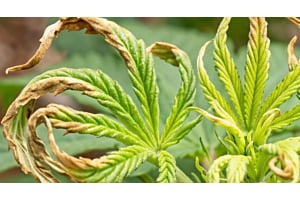
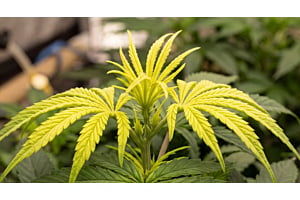
Excess nitrogen or heavily amended “hot” soil can cause nutrient burn, stunted growth, or slow root development.
Because their vegetative window is short, any early setback can reduce overall plant size, and smaller plants generally mean smaller harvests. Starting with a mildly amended soil and gradually increasing feeding (if needed) helps protect delicate seedlings and keeps growth steady and stress-free.
What Is the Best Soil for Autoflowers?
Choosing the best soil for autoflowers comes down to understanding how these fast-moving plants behave throughout their growing cycle. There’s no extended veg period to “fix” problems, so your soil needs to support healthy structure, moderate nutrition, and consistent performance from day one.
When growing cannabis, especially when growing autos, your soil should encourage rapid root growth, maintain proper moisture levels, and provide a stable environment without overwhelming young plants with too many nutrients. Let’s break down exactly what that looks like.
Key Characteristics to Look For In Good Soil
- Light, airy soil structure: Promotes strong root growth and prevents compaction that can slow development during the short growing cycle.
- Good drainage: Excess water suffocates roots. Soil should drain efficiently while still retaining enough moisture to maintain steady hydration.
- Moderate nutrient levels: Autoflowering strains generally prefer fewer nutrients early on. Overly “hot” soil can stunt seedlings before they establish themselves.
- Balanced pH (6.0–6.5 range): A balanced pH helps maintain nutrient availability and prevents lockout issues that can disrupt optimal growth.
- Consistent moisture retention: Soil should hold enough water to support steady development without becoming soggy.
- Microbial activity potential: Healthy soil biology improves nutrient uptake and strengthens plant resilience throughout the growing cycle.
Ideal Soil Composition Breakdown
- Base material (peat moss or coco fiber): Coco fiber improves aeration and water retention, while peat provides structure. Either can serve as a solid foundation when growing cannabis in soil.
- Perlite (20–30%): Increases drainage and keeps the soil structure loose and well oxygenated, essential for growing autos successfully.
- Worm castings (10–20%): A gentle, organic nutrient source that supports steady feeding without overwhelming autoflowering strains.
- Light compost: Adds organic matter and beneficial microbes to maintain soil health over time.
- Dolomite lime (small amount): Helps maintain pH balance and supplies calcium and magnesium, both important for healthy development.
What Is Super Soil?
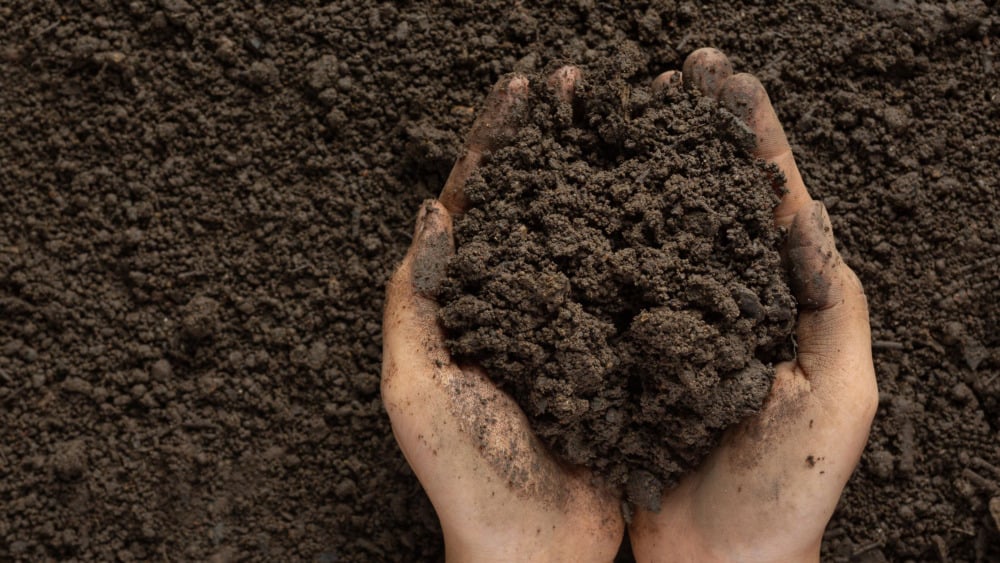
Super soil is nutrient-rich organic soil designed to support cannabis growth without synthetic fertilizers.
Super soil is a nutrient-rich, living organic soil designed to carry plants from seed to harvest with minimal bottled feeding. Almost an only water soil. Instead of relying on synthetic fertilizers or concentrated ionic salts, super soil uses organic nutrients and carefully selected organic matter to create a self-sustaining ecosystem.
The goal is to build a thriving network of microbial life that breaks down amendments and naturally delivers nutrients to the plant.
How to Make Your Own Super Soil for Autoflowers
When growing autoflowering cannabis, super soil needs a lighter, more balanced approach. Autoflowering plants have a shorter growing cycle and require fewer nutrients than larger photoperiod plants, so an overloaded soil mix can lead to nutrient burn early on.
The goal is to build a well-balanced super soil that still supports microbial life, steady nutrient availability, and strong root growth without overwhelming young plants.
Basic Autoflower Super Soil Recipe
- Start with a high-quality base organic soil (50–60%)
Choose a light, well-aerated organic soil as your foundation. - Add aeration (20–30% perlite or similar material)
Keeps the mix loose and supports oxygen flow to roots. - Incorporate worm castings (10–15%)
A gentle source of organic nutrients that promotes microbial life without being too “hot.” - Add light amendments (in moderation):
- Small amounts of bat guano (lower nitrogen variety)
- Bone meal or fish bone meal for phosphorus
- Kelp meal for micronutrients and natural growth hormones
- Mix in dolomite lime (as directed)
Helps buffer pH and supports calcium and magnesium availability.
Avoid overloading amendments
When growing autoflowering cannabis, less is often more. Excess nutrients can hinder early development rather than help it.
How to “Cook” Super Soil Properly
Properly cooked soil reduces the risk of nutrient burn and helps your autoflowers thrive naturally throughout their lifecycle.
- Moisten the mix evenly (not soaking wet)
Damp soil activates microbial life without creating anaerobic conditions. - Store in a breathable container or bin
Allows airflow while maintaining consistent moisture. - Let the soil rest for 3–4 weeks
This curing period allows organic matter to break down and nutrients to stabilize. - Turn or mix occasionally
Ensures even decomposition and prevents compacted pockets. - Check moisture weekly
Keep it slightly moist to sustain microbial activity.
Layering Method for Autoflowers (Beginner-Friendly Option)
Layering is an excellent way to build a balanced environment that keeps plants happy and avoids the harsh spikes associated with synthetic ionic salts, making it one of the safest super soil strategies for autoflower growers.
- Bottom Layer: Rich Super Soil
Place the more nutrient-dense organic soil mix in the bottom third of the container. - Top Layer: Light Seedling Mix
Use a milder soil blend with fewer amendments at the top, where the seed will sprout. - Natural Root Transition
As roots develop, they gradually grow into the richer lower layer, accessing additional organic nutrients when the plant is ready. - Reduced Risk Strategy
This approach minimizes early-stage stress while still delivering the benefits of a living soil system.
Soil Additives That Enhance Autoflower Growth
Once your base soil is dialed in, targeted additives can elevate performance by improving nutrient availability, strengthening plant resilience, and optimizing the root environment. With autoflowers operating on a compressed timeline, small enhancements can have a noticeable impact by harvest.
Because autoflowers move quickly through veg and into flower, additives tend to work best when introduced gradually and in small, controlled amounts rather than through heavy feeding schedules. The goal is to support steady root development and overall plant health without disrupting the plant’s naturally compressed growth cycle.
Are Additives Necessary?
Not always, and that’s important to say.
If you’re using a high-quality, well-balanced soil mix, autoflowers can grow successfully with minimal supplementation. In fact, overcomplicating your setup often causes more issues than it solves. Additives should enhance an already healthy environment, not compensate for poor soil or inconsistent watering practices.
Think of them as performance refinements rather than requirements.
Silica: Strengthening Plant Structure
Silica helps fortify cell walls, resulting in stronger stems and improved stress resistance. For autoflowers that transition quickly into flowering, stronger structural support can help carry developing buds without the need for staking or additional intervention.
Humic and Fulvic Acids: Unlocking Nutrients
Humic and fulvic acids improve nutrient availability by helping roots absorb minerals more efficiently. They also stimulate microbial activity in organic systems, improving overall nutrient flow without increasing fertilizer strength, which is a valuable advantage for nutrient-sensitive autoflowers.
Biochar: Long-Term Soil Optimization
Biochar enhances soil structure and acts as a reservoir for nutrients and beneficial microbes. When properly inoculated before use, it stabilizes the root zone and supports steady nutrient release throughout the grow cycle.
Beneficial Bacteria Blends
Bacterial inoculants expand the soil food web, assisting in nutrient cycling and root stimulation. In a short lifecycle plant, efficient nutrient conversion can make a measurable difference in growth consistency.
Enzyme Supplements: Root Zone Maintenance
Enzymes break down dead root material and organic debris into usable compounds. This keeps the rhizosphere active and clean, supporting uninterrupted development from vegetative growth through flowering.
Best Store-Bought Soil for Autoflowers
Not every grower wants to mix soil from scratch, and there are several pre-mixed soils that work well for autoflowers straight out of the bag. The key is choosing a mix that's light enough for seedlings but nutritious enough to support the full cycle without heavy supplementation.
Here are five options worth considering:
- FoxFarm Happy Frog: A lightly amended organic mix with mycorrhizal fungi and humic acid built in. Lower nutrient density than FoxFarm's Ocean Forest, which makes it a safer choice for autoflowers that are sensitive to hot soil early on. Good structure and drainage out of the bag.
- Roots Organics Original: A loose, well-aerated blend with bat guano, kelp meal, worm castings, and pumice. Drains well and holds enough nutrition to carry plants through the first few weeks without supplementation. A solid option for growers who want organic soil with minimal mixing.
- BioBizz Light-Mix: A lightly pre-fertilized organic substrate designed for fast root development. Contains enough nutrition for early growth without overwhelming young autoflowers. Certified organic and widely available. A good fit for beginners who want to control feeding through liquid nutrients later in the cycle.
- ProMix HP: A peat-based soilless mix with high perlite content for strong drainage and aeration. Contains mycorrhizae but very little built-in nutrition, so it functions more like a blank canvas. Works well for growers who prefer full control over their feeding schedule from day one.
- Mother Earth Groundswell: A balanced organic mix that sits between the gentler options and the hotter commercial soils. Contains perlite, peat, and a moderate nutrient charge. A reliable middle ground for growers who find Happy Frog too light and Ocean Forest too strong.
- A note on FoxFarm Ocean Forest: Ocean Forest is one of the most popular cannabis soils on the market, but its higher nutrient load can be too intense for autoflower seedlings. If you want to use it, consider filling the bottom half of your container with Ocean Forest and the top half with Happy Frog or a light seedling mix. This layered approach lets roots grow into the richer soil gradually, reducing the risk of nutrient burn in the first few weeks.
Whichever pre-mixed soil you choose, adding 20-30% extra perlite improves drainage and helps prevent the overwatering issues that autoflowers are particularly sensitive to.
Other Growing Mediums for Autoflower Cannabis
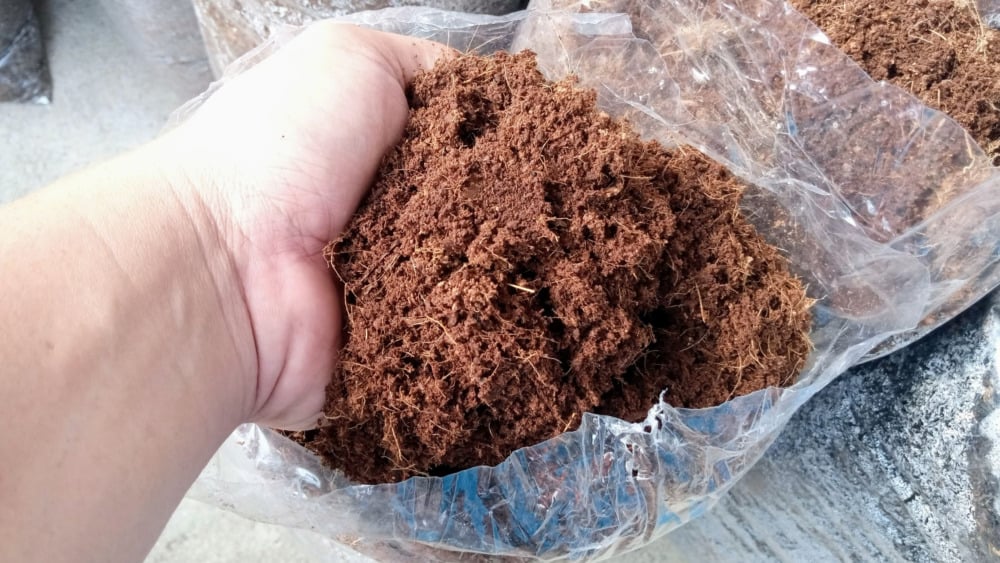
Coco coir is a popular medium for autoflower cannabis, offering good drainage and moisture retention.
While soil remains one of the most popular choices, it’s not the only option when growing autoflower cannabis. Different mediums offer varying levels of control, speed, and complexity.
Because autoflowers thrive in stable environments with minimal stress, choosing the right medium often comes down to how hands-on you want to be and how much precision you’re comfortable managing.
Growing Autoflowers in Coco Coir
Coco coir is a soilless medium made from coconut husks that offers excellent aeration and rapid root development. It allows for faster growth compared to traditional soil, but it requires more active feeding since it contains little to no inherent nutrition.
Growers must provide consistent nutrients and closely monitor pH and EC levels. Coco can deliver impressive results, but it demands attention and routine.
Hydroponics and Autoflowers
Hydroponic systems suspend roots in nutrient-rich water solutions, delivering oxygen and nutrients directly to the plant. This setup can accelerate growth and increase yields under optimal conditions.
However, hydro requires precision and fast problem-solving, since small mistakes can escalate quickly. For experienced growers, it offers speed and control; for beginners, it may feel less forgiving than soil.
Soilless Peat-Based Mixes
Peat-based mixes blended with perlite or other aeration materials sit somewhere between soil and hydro. They provide strong drainage and root oxygenation while still allowing for controlled nutrient feeding. These mixes give growers flexibility without fully committing to a hydroponic system.
Living Soil Systems
Living soil focuses on building a biologically active ecosystem that feeds plants naturally through microbial processes. Rather than supplying bottled nutrients, growers nurture the soil food web.
When properly built, living systems create a balanced environment in which autoflowers thrive with minimal intervention, making them an appealing option for those who prefer a more organic, hands-off approach. If you're looking for genetics to match your new setup, browse our full range of high-yielding seeds.
Best Conditions for Autoflowers in Soil
There are a few things to keep in mind when creating the optimal conditions for autoflower plants in soil.
- Container Size (3–5 Gallons Is Ideal): Autoflowers perform best when planted directly into their final container to avoid transplant shock. A 3–5 gallon pot provides enough room for root expansion without encouraging excessive vegetative growth. Fabric pots are especially helpful because they improve airflow and naturally air-prune roots.
- Watering Practices (Avoid Overwatering): Overwatering is one of the most common mistakes with soil-grown autos. Allow the top layer of soil to dry slightly between waterings to maintain oxygen around the roots. A consistent wet-dry cycle encourages stronger root development and reduces the risk of fungal issues.
- pH Management (6.0–6.5 for Soil): Maintaining proper soil pH ensures nutrients remain available to the plant. If pH drifts too high or too low, nutrient lockout can occur even when the soil contains adequate fertility. Testing runoff or input water regularly helps keep levels stable.
- Light Schedule (18/6 or 20/4 Indoors): Autoflowers don’t rely on light cycles to initiate flowering, but they still benefit from consistent exposure. Many growers prefer 18 hours of light and 6 hours of darkness, while others run 20/4 to maximize photosynthesis. Outdoors, they perform best in full sun with stable temperatures.
- Temperature & Humidity Control: Seedlings prefer slightly higher humidity (60–70%), while flowering plants perform better around 40–50%. Ideal temperature ranges generally fall between 70–80°F (21–27°C). Stable conditions reduce stress and help plants focus energy on flower production.
Common Soil Mistakes When Growing Autoflowers
- Using “Hot” Soil Straight From the Bag: Many commercial potting mixes are heavily pre-fertilized, which can overwhelm young autoflowers and cause nutrient burn early on. Instead, choose a lighter seedling mix or dilute rich soil with extra perlite and plain peat or coco to reduce nutrient strength and protect early growth.
- Overwatering in Dense Soil: Poor drainage and compacted soil restrict oxygen at the root zone. Autoflowers need a well-aerated medium to establish quickly. Constantly saturated soil can stunt growth, encourage fungal issues, and reduce overall vigor.
- Transplanting Too Late (or Too Often): Autoflowers have limited time to recover from stress. Many growers choose to plant seeds directly into their final container to avoid transplant shock altogether. Disrupting roots mid-cycle can slow development during an already short vegetative window.
- Overfeeding Too Early: Adding bottled nutrients too soon (especially when the soil already contains amendments) can overwhelm young plants. It’s generally better to let the soil do the work first and only supplement if clear deficiencies appear.
- Choosing the Wrong Container Size: Pots that are too small can restrict root expansion, while excessively large containers may retain too much moisture for small plants. A properly sized container supports balanced growth from seedling through flowering.
Final Thoughts: Setting Your Autoflowers Up for Success
The best soil for autoflowers isn’t about complexity, it’s about balance. Keep it light, well-draining, and moderately fed, and your plants will reward you. With such a short lifecycle, autoflowers don’t need constant tinkering; they need consistency.
Start strong, avoid overfeeding, and let the roots establish early. A healthy foundation does most of the heavy lifting.
If you’re looking for inspiration, browsing grow diaries can spark ideas and help you fine-tune your setup. Pair solid soil with quality autoflower seeds, and you're already stacking the odds in your favor.
FAQs
How Much Soil Does an Autoflower Need?
Most autoflowers perform best in 3-5 gallon (11-19 liter) containers. This provides enough room for root expansion without holding excessive moisture that smaller plants can't use. Fabric pots in this size range improve aeration and naturally air-prune roots, which promotes a denser root structure. Planting directly into the final container avoids transplant shock, which matters more with autoflowers because they don't have time to recover during a short vegetative window.
Is Hydro or Soil Better for Autoflowers?
Both work, but they suit different levels of experience. Soil is more forgiving and requires less monitoring, which makes it a better starting point for most growers. A well-balanced soil mix buffers pH naturally, holds nutrients between feedings, and supports microbial life that helps plants access what they need. Hydroponics can produce faster growth and larger yields when dialed in correctly, but mistakes like pH swings or pump failures escalate quickly with autoflowers because there's no time to recover. For beginners and intermediate growers, soil offers more consistent results with less risk.
Is Miracle-Gro Soil Good for Autoflowers?
Miracle-Gro potting mixes are generally not recommended for autoflowers. Most Miracle-Gro products contain slow-release synthetic fertilizers that continue feeding for several months, and autoflowers can't handle that level of sustained nutrient input, especially during the seedling stage. The result is often nitrogen toxicity, nutrient burn, and stunted growth. If Miracle-Gro is the only option available, dilute it heavily with perlite and plain peat or coco coir to reduce the nutrient concentration, but a purpose-built cannabis soil or a lighter organic mix will give better results.
What Do Autoflowers Grow Best In?
Autoflowers grow best in light, well-aerated soil with moderate nutrient levels and a pH between 6.0 and 6.5. The ideal mix drains freely, holds enough moisture between waterings without staying soggy, and provides gentle nutrition that won't overwhelm young plants. A base of peat or coco coir with 20-30% perlite and 10-15% worm castings covers the fundamentals. Pre-mixed options like FoxFarm Happy Frog, Roots Organics Original, or BioBizz Light-Mix work well out of the bag for growers who prefer not to mix their own.