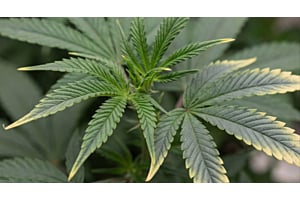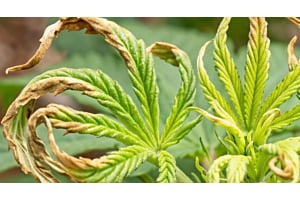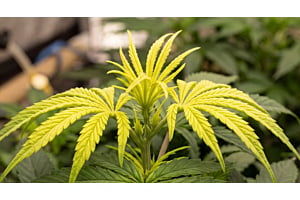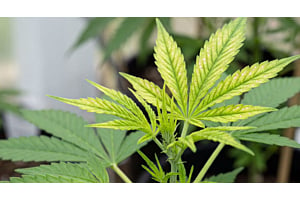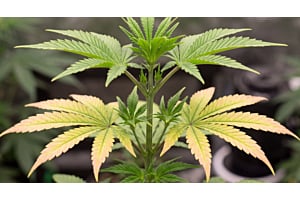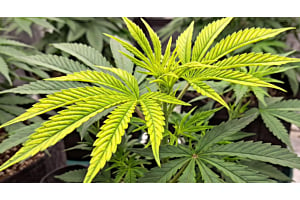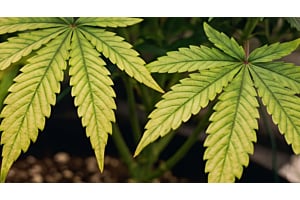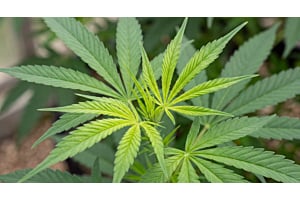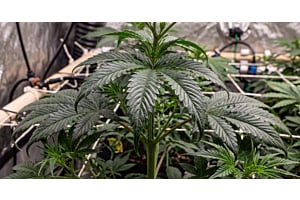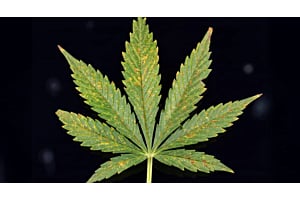
Two cannabis plants can start from seeds that look nearly identical and finish months apart, at half the size, with very different harvests. That gap comes down to one trait: photoperiod versus autoflower.
The breakdown below covers how each seed type flowers, how long each one takes, how much each one yields and which one fits a beginner setup, so the difference stops sounding like jargon and starts looking like a choice.
What Is the Difference Between Photoperiod and Autoflower Cannabis Seeds?
Photoperiod and autoflower cannabis seeds differ in what triggers flowering. Photoperiod cannabis seeds grow into plants that flower only when the light schedule shifts to roughly 12 hours of light and 12 hours of darkness per day. Autoflower cannabis seeds grow into plants that flower automatically based on plant age, no matter what light schedule the grower runs.
Because of this difference, photoperiod plants give growers the ability to “hold” vegetative growth as long as needed, while autoflowers move through a fixed lifecycle that cannot be paused or extended once germination begins.
That trigger difference changes almost every other grow decision: how long the plant stays in vegetative growth, how big it gets, how soon it finishes and how much control the grower has over the timeline.
How Do Photoperiod Cannabis Seeds Work?
Photoperiod cannabis seeds flower in response to a light-cycle change. The plant stays in vegetative growth for as long as it receives long days, typically 18 hours of light and 6 hours of darkness (18-6). When the grower flips the schedule to 12 hours of light and 12 hours of darkness (12-12), the plant reads the longer dark period as the end of summer and starts flowering.
That control is the main reason commercial growers and serious hobbyists choose photoperiod weed seeds. The grower decides when the plant flowers, which means the grower decides how big the plant gets before bud production starts. A longer veg means a bigger plant and usually a heavier harvest.
Outdoor photoperiod plants follow the natural light cycle. As days shorten in late summer, the plants flower on their own and finish in early to mid-fall, depending on the strain.
How Do Autoflower Cannabis Seeds Work?
Autoflower cannabis seeds flower based on plant age, not light cycle. They inherit this trait from ruderalis genetics, which is a hardy, fast-flowering subspecies of cannabis native to the Volga River region of southern Siberia, bred into modern hybrids to pass on the auto-flowering behavior.
A typical autoflower starts producing pre-flowers around weeks 3 to 4 from seed and moves into full flowering shortly after, no light flip required. The whole seed-to-harvest cycle usually runs 8 to 12 weeks. Most autoflower seeds sold today are also feminized, which means the plants are almost always female and ready to produce buds without sexing work.
The trade-off is control. The grower cannot delay flowering, so the plant stays compact and the harvest stays moderate. What autoflower seeds give back is speed and simplicity.
Photoperiod vs Autoflower: Comparison Table
The table below compares photoperiod and autoflower cannabis seeds across the main grow attributes a buyer needs to weigh.
| Trait | Photoperiod Cannabis Seeds | Autoflower Cannabis Seeds |
| Flowering trigger | Light schedule (12-12) | Plant age (around weeks 3-4 from seed) |
| Grower control over timeline | High | Low |
| Vegetative stage length | Grower's choice (typically 4-8 weeks indoor) | Fixed (about 3-4 weeks) |
| Seed-to-harvest time | Around 3-4 months indoor | 8-12 weeks |
| Plant size | Medium to large | Small to medium |
| Yield per plant | Higher on average | Lower on average |
| Training/topping tolerance | High | Limited |
| Beginner friendliness | Moderate | High |
| Outdoor harvests per year | One | Up to two (in suitable climates) |
| Most common form sold | Feminized photoperiod | Feminized autoflower |
The table gives buyers a single reference point. Beyond it, the choice usually comes down to timeline, space and how much hands-on control the grower wants.
Which Seed Type Is Better for Beginners?
Autoflower cannabis seeds suit most beginner growers because the timeline is short, the plant stays small and the grower never has to manage a light-cycle flip. A first-time grower can germinate an autoflower seed, run a single light schedule from seed to harvest, and pull a finished plant in about 10 weeks. Less time on the plant means less time for mistakes.
Photoperiod weed seeds reward growers who want more control and bigger results, but they also expect more from the grower. The grower has to manage two light schedules, time the flip correctly, and keep the plant healthy through a longer cycle.
Compact indoor grows in tents, closets or spare rooms suit autoflowers especially well, where lawful under federal, state and local rules.
For first-time buyers comparing categories, marijuana seeds for beginners groups strains selected for easier grows across both seed types.
Which Seed Type Produces Bigger Yields?
Photoperiod cannabis seeds produce bigger yields per plant on average. The reason comes down to vegetative time: a photoperiod plant can spend 6 to 8 weeks in vegetative growth (or longer), build a heavy frame, and then put all that structure into bud production once the grower flips to 12-12.
Autoflower cannabis plants finish in 8 to 12 weeks total, so the plant never gets the chance to build the same frame. Indoor autoflower harvests typically deliver 1 to 4 ounces per plant under solid conditions. Photoperiod harvests indoors can range from 3 to 8 ounces per plant or more, depending on training, light intensity and genetics.
Outdoor numbers can run higher for photoperiod plants because the natural growing season gives them months to develop.
For growers planning around harvest weight rather than speed, high yield weed seeds groups the genetics bred for heavier finishes.
Do Autoflower Cannabis Seeds Produce Male Plants?
Yes, autoflower cannabis seeds can produce male plants when sold as regular autoflower, but most autoflowers on the commercial market are feminized. Regular autoflower seeds carry the natural 50/50 male-female split. Feminized autoflower seeds produce female plants almost all of the time.
Most reputable seed banks sell autoflower stock as feminized by default. When a buyer sees "autoflower seeds" listed without the word "regular," the seeds are almost certainly feminized.
Male autoflower plants produce pollen sacs at the nodes instead of buds, just like male photoperiod plants. The difference is timing: autoflower males show sex around weeks 3 to 4 from seed, much faster than photoperiod males waiting for the 12-12 flip. Weekly node checks starting at week 3 are essential for any regular autoflower grow.
Autoflower plants can also turn hermie (grow both pollen sacs and pistils) under stress like light leaks, temperature swings or harsh training. Stable genetics rarely hermie under normal conditions, but the compressed timeline means problems compound fast.
How Photoperiod and Autoflower Seeds Compare Across the Grow Lifecycle
Photoperiod and autoflower cannabis seeds behave differently at every lifecycle stage from germination to harvest. The section breaks down each stage:
- Germination and seedling: where the two seed types behave identically
- Vegetative: where the difference starts showing.
- Flowering: where the trigger gap matters most.
- Harvest window: where total timeline lands.
Germination and Seedling Stage
Photoperiod and autoflower seeds germinate the same way. Both pop in 3 to 10 days under standard conditions (warmth, moisture, darkness) and produce a seedling that looks identical for the first 2 weeks. No grower can tell a photoperiod seedling from an autoflower seedling at this stage just by looking.
The seedling phase runs about 2 weeks for both types and is treated as the opening stretch of vegetative growth, not a separate stage. Light requirements (an 18-6 or 20-4 schedule) are the same.
Vegetative Stage
Photoperiod weed seeds stay in vegetative growth as long as the grower keeps an 18-6 light schedule. Some growers veg for 4 weeks, some for 8 weeks, some for 12 or longer, depending on how big they want the plant to get. The grower controls the duration.
Autoflower weed seeds run their vegetative stage on a fixed clock. The plant vegs for roughly 3 to 4 weeks, then starts producing pre-flowers automatically. Training is possible during this window but must stay gentle, since heavy topping or aggressive LST can stunt an autoflower because there is no extra veg time to recover.
Flowering Stage
Photoperiod plants begin flowering after the light flip to 12-12. Most photoperiod strains flower for 8 to 11 weeks once the flip happens. The grower can extend or shorten the time before the flip but cannot change how long flowering itself takes, that part is genetic.
Autoflower plants begin flowering on their own around weeks 3 to 4 from seed and stay in flower for roughly 6 to 9 weeks. The plant flowers under whatever light schedule the grower is already running (often 18-6 or 20-4 from start to finish), which simplifies setup.
Harvest Window
Autoflower cannabis plants finish between 8 and 12 weeks from seed. The grower harvests once, the plant is done, and the space is ready for the next round.
Photoperiod cannabis plants finish around 3 to 4 months from seed indoors, depending on how long the veg ran. Outdoor photoperiod plants follow the season and finish in early to mid-fall.
The compressed autoflower timeline means a grower running back-to-back autoflowers in a small space can harvest 3 to 4 times a year. A photoperiod grower in the same space typically gets 2 to 3 harvests indoors per year.
How Seed Type Connects to Your Wider Cannabis Seed Choice
Seed type shapes which cannabis seed category fits the grower's plan. For growers running tight timelines or small spaces, autoflower weed seeds deliver the fastest path from seed to harvest with the simplest setup.
For growers chasing larger plants, heavier yields and full control over the grow schedule, feminized weed seeds cover the photoperiod side of the catalog (feminized photoperiod is the most common form serious growers buy).
Some buyers weigh the timing question and the sex question at the same time. The dedicated comparison on feminized vs autoflower seeds covers how the two attributes interact and which combinations exist on the commercial market.
The wider cannabis seeds catalog lets buyers compare both seed types alongside indica, sativa, hybrid and high-THC categories. Eligible adult buyers should check federal, state and local rules before germinating any cannabis seeds.
Frequently Asked Questions
Can You Grow Photoperiod and Autoflower Plants in the Same Tent?
Yes, photoperiod and autoflower plants can share a tent, but the light schedule has to favor the autoflower. Most growers run an 18-6 or 20-4 schedule from start to finish, which works for autoflowers but keeps photoperiod plants stuck in vegetative growth. Once the autoflowers finish, the grower can flip to 12-12 to flower out the photoperiod plants. The trade-off is that the photoperiod plants spend the autoflower cycle vegging without producing bud.
Do Autoflower Seeds Finish Faster Than Photoperiod Seeds?
Yes, autoflower seeds finish faster. A typical autoflower grow runs 8 to 12 weeks from seed to harvest. A typical photoperiod grow indoors runs around 3 to 4 months total, depending on veg length. The autoflower's fixed internal timer is what creates the speed advantage.
Can Autoflower Plants Turn Hermaphrodite?
Yes, autoflower plants can turn hermie under stress. Light leaks during the dark hours, big temperature swings, nutrient problems and harsh training can all trigger a female plant to grow pollen sacs alongside her pistils. Stable autoflower genetics rarely hermie under normal conditions, but the short timeline gives the grower less room to fix problems before harvest.
What Is the Difference Between Auto and Photo Weed?
Auto weed and photo weed differ in how the plants decide when to flower. Photo weed (photoperiod) waits for the grower to change the light schedule to 12-12. Auto weed (autoflower) flowers on its own around 3 to 4 weeks from seed, regardless of light. Autos finish faster and stay smaller. Photos take longer and grow bigger.