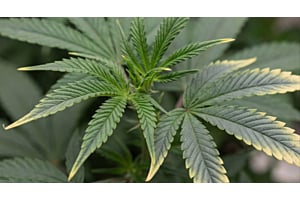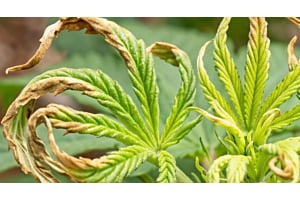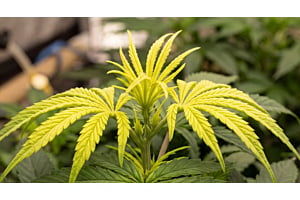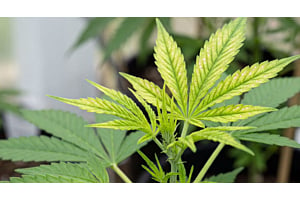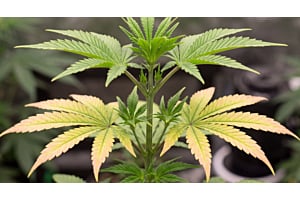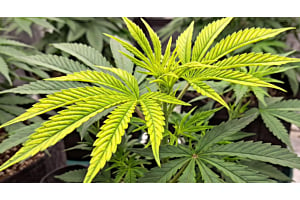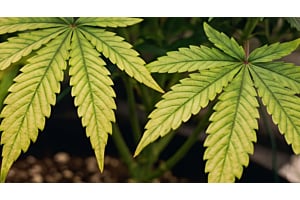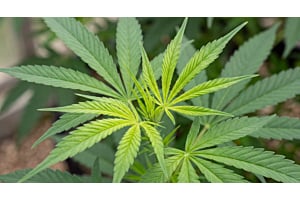
Cannabis is a plant genus that includes marijuana and hemp, and people use the term cannabis to describe the plant, its seeds, flower, resin, compounds, strains and related products. Beginner growers learn a lot of new words fast, and many of those words point to different parts of the same plant.
While Seed Supreme largely focuses on cannabis seeds, this guide explains the basics in plain language so the rest of your reading makes sense. It defines cannabis as a plant, a category and a set of products, then points you toward the deeper guides for seeds, growing, strains and compounds.
You don’t need any prior knowledge to follow along. Read it top to bottom for a full grounding, or jump to the section that answers your question.
What is Cannabis?
Cannabis is a flowering plant that produces resinous flowers, seeds and fiber, and has been cultivated for thousands of years for medicinal, recreational and industrial uses. The term ‘cannabis’ refers to a plant genus and a broad category term that people use in several different ways.
In botany, cannabis names the plant itself. In everyday speech, the same word can mean dried flower, seeds, a specific strain or a cannabis-derived product. The meaning shifts with the context, and that is the first thing worth getting straight.
Once you know that cannabis is the umbrella term, terms like seed type, strain and cannabinoid slot into place underneath it. That foundation makes seed selection, growing and compound reading far easier to learn later.
Cannabis vs Marijuana vs Hemp
Cannabis is the umbrella term, while marijuana and hemp are common subcategory terms used in legal, commercial and everyday language. All three describe the same plant genus, so the difference comes down to how people use the words and how the law treats them.
Getting these three straight clears up most beginner confusion in one step.
- ‘Marijuana’ is a term historically used for cannabis grown for its resinous flowers, typically higher-THC varieties. THC (tetrahydrocannabinol) is the main compound responsible for cannabis' psychoactive effects.
- ‘Hemp’ typically refers to low-THC cannabis grown for fiber, food or higher CBD (cannabidiol) content. It’s defined in most legal frameworks by its THC levels, which typically sit under 0.3%.
- ‘Weed’ is simply everyday casual slang used for the same plant.
These words overlap in daily use, but they aren’t always accurate substitutes for one another.
On the legal front, the difference between cannabis or marijuana and hemp is drawn by THC levels. Those legal definitions vary by country, state and locality, so always check the rules that apply where you live.
So when someone uses ‘cannabis,’ ‘marijuana,’ ‘hemp’ and ‘weed’ in the same breath, they’re often circling the same plant from different angles. In practice, THC and CBD levels are the cannabis compounds that help people understand the differences.
Cannabis Plant Basics
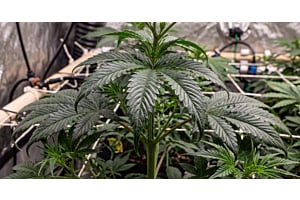
The cannabis plant grows several parts that beginners should recognize before they start their cultivation journeys.
Here are the parts worth knowing:
- Roots anchor the plant and take up water and nutrients.
- Stems and branches carry water and support the plant's structure.
- Nodes are the points where branches and leaves meet the stem.
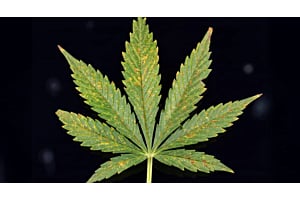
- Leaves capture light and drive growth.
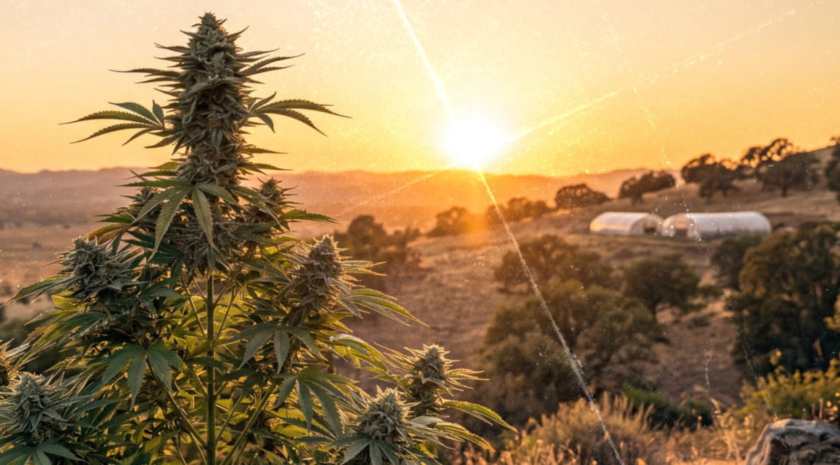
- Flowers or buds are the resin-rich parts most people associate with cannabis.
- Trichomes are tiny resin glands on flowers and leaves that contain active compounds.
- Seeds and pollen connect to reproduction and future plants.
Male vs female cannabis plants play very different roles in this picture. Female plants produce the flowers people harvest, while male plants produce pollen that fertilizes females and creates seeds. Knowing the differences help with sex identification, harvest timing and seed production — all important cultivation aspects.
These parts link directly to the plant's life cycle and the full journey from seed to harvest throughout the cannabis growing process. Seeds start that cycle, and germination is the first practical stage a grower reaches.
Cannabis Seeds, Flower, Resin and Pollen
Cannabis seeds, flower, resin and pollen describe four different things beginners can easily confuse for one another. Each one sits at a different point in the plant's life, and mixing them up leads to common questions like whether seeds can get you high.
Here is what each term actually means.
Cannabis Seeds
Cannabis seeds are the starting point for growing cannabis plants (where cultivation is legal, of course). Every plant begins as a seed, and seeds differ by type based on how they were bred and how they grow.
The main weed seed types are feminized seeds (bred to produce virtually all-female plants), autoflower seeds (which flower by age rather than light schedule), regular seeds (which can grow into either male or female plants), and photoperiod seeds (which flower in response to a long enough period of darkness each night).
Cannabis Flower
Cannabis flower is the flowering, harvested part of the plant, often called bud. It refers to the resin-rich clusters that female plants produce as they mature. Flower isn’t the same as a seed. A seed grows into a plant, and the flower is a later product of that plant, which is the key distinction many beginners miss at first.
Cannabis Resin
Cannabis resin forms in the trichomes on flowers and leaves, and holds many of the plant's compounds. It's the sticky material tied to aroma, flavor and potency. The concentration of resin a plant produces varies by strain, growing conditions and how far the plant has matured, which is why two harvests of the same strain can smell and taste different.
Cannabis Pollen
Cannabis pollen is produced by male cannabis plants and is the starting point for seed production and breeding. When pollen reaches a female flower, it fertilizes it and seeds develop. For most growers this is something to avoid, since pollinated females put energy into seeds rather than resinous flowers. For breeders, controlled pollination is the whole point.
Cannabis Strains and Cultivars
A cannabis strain or cultivar is a named genetic variety of the plant with its own traits, history and reputation. People use the term ‘strain’ in everyday conversation, while ‘cultivar’ is the more precise botanical term. Both mean the same thing.
Strain names carry a lot of information at once. A strain name may signal:
- Genetics
- Breeder history
- Aroma
- Flavor
- Likely effects
- Growth traits
- Potency
This is why two strains with similar names can still grow and taste very differently.
Cannabis Strains vs Cannabis Seed Types
Cannabis strains and seed types are two different things, and mixing them up is one of the most common beginner mistakes when shopping for seeds.
A strain name describes the genetic identity of a plant - its lineage, growth traits, aroma and expected effects. Cannabis seed types describe how the different seeds behave or were bred.
The White Widow strain, for example, can be sold as feminized seeds, autoflower seeds or regular seeds. The core White Widow genetics carry through all three formats, but each seed type changes how the plant grows, flowers and is managed.
Feminized seeds produce female-only plants, regular seeds can produce both males and females, and photoperiod versions flower in response to light cycle changes (specifically, when the dark period is extended).
Autoflower versions go a step further. They have ruderalis genetics bred in to add the automatic flowering trait, which means they aren’t exactly the same as photoperiod or regular versions despite sharing the same strain name.
In short, this means you can choose a strain you like and then decide separately which seed format suits your grow setup, experience level and goals. The strain stays the same; the growing experience changes significantly. You can browse our best-selling seeds to see how popular strains like White Widow show up across different seed formats.
Cannabis Genetics: Ruderalis, Indica, Sativa, and Hybrid
Ruderalis, indica, sativa and hybrid describe the common cannabis classifications beginners see everywhere. These labels are useful as broad categories, but modern breeding has blurred the old lines. Treat them as starting points rather than guarantees of how a plant grows or feels.
Ruderalis
Ruderalis is the genetic source of the autoflowering trait. On its own it produces low THC and small plants, which is why breeders use it selectively, crossing it with indica and sativa varieties to add automatic flowering while preserving potency and yield. That is why ruderalis genetics show up in autoflower seeds, which flower on age rather than a light schedule.
Indica
Indica is a traditional classification often linked with shorter, bushier plants. Many people associate indica with relaxing effects, though effects are never guaranteed by the label alone. Buyers who want to explore this category can browse indica seeds to see our full range.
Sativa
Sativa is a traditional classification often linked with taller plants and longer flowering. People commonly associate sativa with more energizing effects, again as a general tendency rather than a rule. Our full selection of sativa seeds shows how varied this group can be.
Hybrid
Hybrid describes cannabis with mixed indica and sativa genetics, which covers most modern strains. Breeders cross parent strains to combine traits, so a hybrid can lean either way or sit in the middle. Shoppers can compare options among hybrid seeds built from many different crosses.
Classification is only one piece of the puzzle. It hints at growth habit and general character, but it doesn’t decide seed format or promise a specific experience.
Cannabis Compounds Overview
The compounds found in cannabis include cannabinoids such as THC and CBD plus aromatic terpenes. These compounds explain much of what people notice about a plant, from potency to smell to flavor.
Cannabinoids are the chemical constituents most associated with potency and effects. THC is the compound behind marijuana's psychoactive strength, and CBD is a non-intoxicating compound many products highlight.
Terpenes are separate aroma and flavor compounds that give each strain its distinctive smell and taste. Together, cannabinoids and terpenes shape user expectations, though results still vary widely.
Compound content isn’t fixed. It changes with strain, genetics and how the flower develops, so two harvests of the same strain can differ.
Cannabis Effects and Potency
Cannabis potency reflects cannabinoid strength, especially THC, while effects vary from person to person. Potency describes how much of a compound a product contains. Effects describe what a person actually experiences, and those two things aren’t the same.
Many factors shape what someone feels. Dose, tolerance, the compound profile, the product format and the setting all play a part. Strain names alone don’t guarantee effects, even when a label suggests a certain mood. THC, CBD, terpenes and other compounds all contribute to expectations, but individual experiences differ.
Cannabis effects can vary from person to person, and that caution matters most when potency enters the conversation since low-tolerance vs high-tolerance cannabis consumers can have very different experiences with the same product at the same dose.
If you’re reading about potency in a seed-shopping context, high-cannabinoid genetics are a category worth understanding. High THC seeds group those options together.
Cannabis Glossary for Beginners
This glossary gives short, plain definitions for the terms in this guide. Each entry is brief on purpose, because the deeper hubs explain each topic in full.
| Term | Definition |
| Cannabis | The plant genus and broad category term for the plant, its seeds, flower, strains and products. |
| Marijuana | A common term usually used for THC-rich cannabis. |
| Hemp | Cannabis commonly associated with low THC and industrial or CBD uses. |
| Weed | A casual, everyday name for cannabis. |
| Cannabis seeds | The starting point for growing cannabis plants, sold in several cannabis seed types. |
| Germination | The stage where a seed sprouts and begins to grow by using a germination method. |
| Seedling | The young plant stage right after germination. |
| Vegetative stage | The leafy growth stage before flowering begins. |
| Flowering stage | The stage when the plant produces buds. |
| Flower | The harvested, flowering part of the plant, also called bud. |
| Bud | Another name for cannabis flower. |
| Resin | The sticky material in trichomes that holds many compounds. |
| Trichomes | Tiny resin glands on flowers and leaves that produce cannabinoids and terpenes. |
| Pollen | Material produced by male plants for seed production. |
| Strain | A named genetic variety of cannabis. |
| Cultivar | The precise term for a cultivated cannabis variety. |
| Indica | A traditional classification often linked with shorter plants. |
| Sativa | A traditional classification often linked with taller plants. |
| Hybrid | Cannabis with mixed indica and sativa genetics. |
| Ruderalis | The genetic background behind autoflowering traits. |
| Cannabinoids | Compounds tied to potency and effects, such as THC and CBD. |
| THC | The main psychoactive cannabinoid in marijuana. |
| CBD | A non-intoxicating cannabinoid found in many products. |
| Terpenes | Aroma and flavor compounds in cannabis. |
| Potency | A measure of cannabinoid strength, especially THC. |
| Feminized seeds | Seeds bred to produce almost exclusively female plants. |
| Autoflower seeds | Seeds that flower with age rather than a light schedule. |
| Regular seeds | Seeds that can grow into male or female plants. |
| Photoperiod seeds | Seeds that flower in response to long periods of darkness (usually 12 hours). |
Go Deeper on Any Cannabis Education Topic
Use this quick map to find the best next page for your question.
| Beginner Grower Question | Best Next Page |
| How do I buy seeds? | Cannabis Seed Buying Guide |
| How do I store seeds? | Cannabis Seed Storage Guide |
| How do I start seeds? | Cannabis Seed Germination Guide |
| What are strains? | Cannabis Strains Guide |
| What is a male vs female weed plant? | Male vs Female Marijuana Plant Guide |