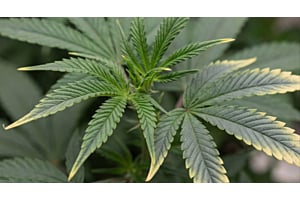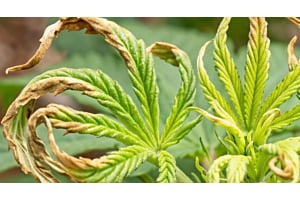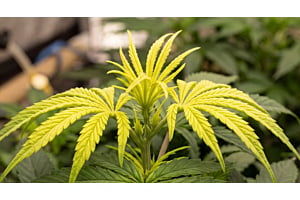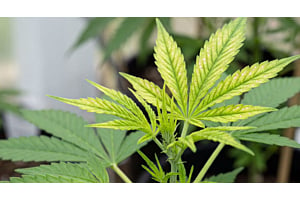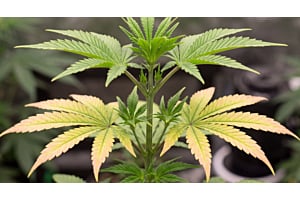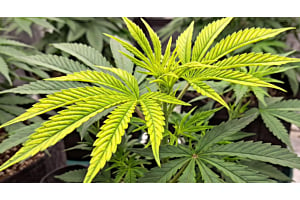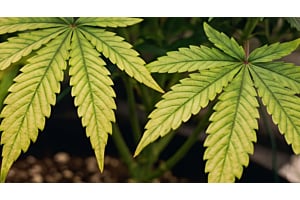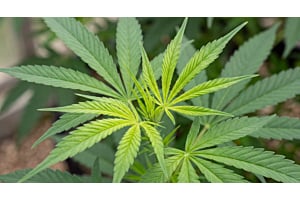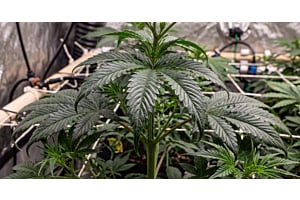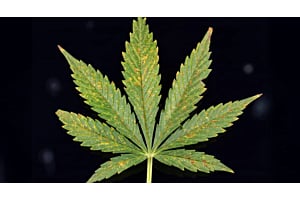
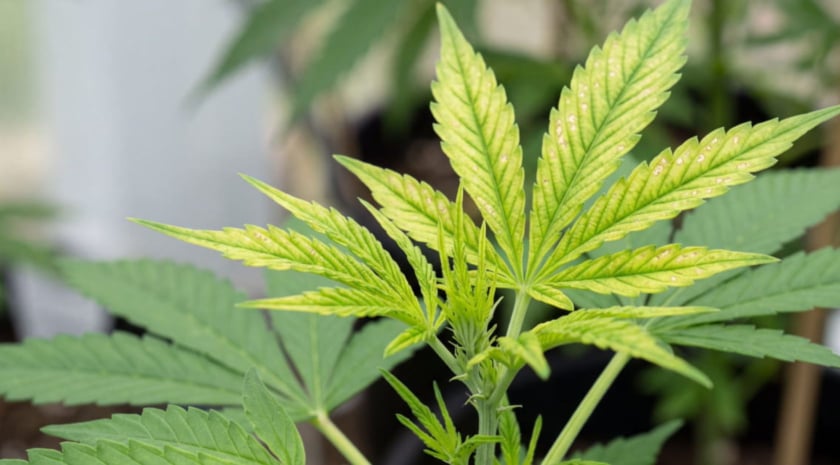
Cannabis manganese deficiency shows up first on the newest top growth as yellowing between the veins, dotted with small brown or tan spots. In most grows the manganese is already in the medium, the plant just can't take it up because root-zone pH has drifted out of range.
That means the fix is rarely "add more manganese." It's correcting pH the right way for your medium, and it looks different in living soil than it does in coco or hydro.
This guide walks through spotting the symptoms, telling manganese apart from iron, zinc and molybdenum, and correcting the lockout without making the common mistakes.
What Does Manganese Do for Cannabis Plants?
Manganese drives photosynthesis and chlorophyll production in cannabis plants, which is why a shortage shows up as pale, failing leaves. The nutrient activates enzymes involved in splitting water during photosynthesis and in protecting the photosynthetic machinery that keeps leaves green.
Cannabis needs it in small amounts, so it counts as a micronutrient rather than a primary feed element like nitrogen. When uptake stalls, the newest leaves lose their ability to photosynthesize efficiently, and the damage appears at the growing tips first.
What Are the Symptoms of Cannabis Manganese Deficiency?
Cannabis manganese deficiency shows interveinal yellowing and brown speckled spots, and it hits the newest top leaves while older growth stays green. The spotting darkens into small dead patches as the shortage continues.
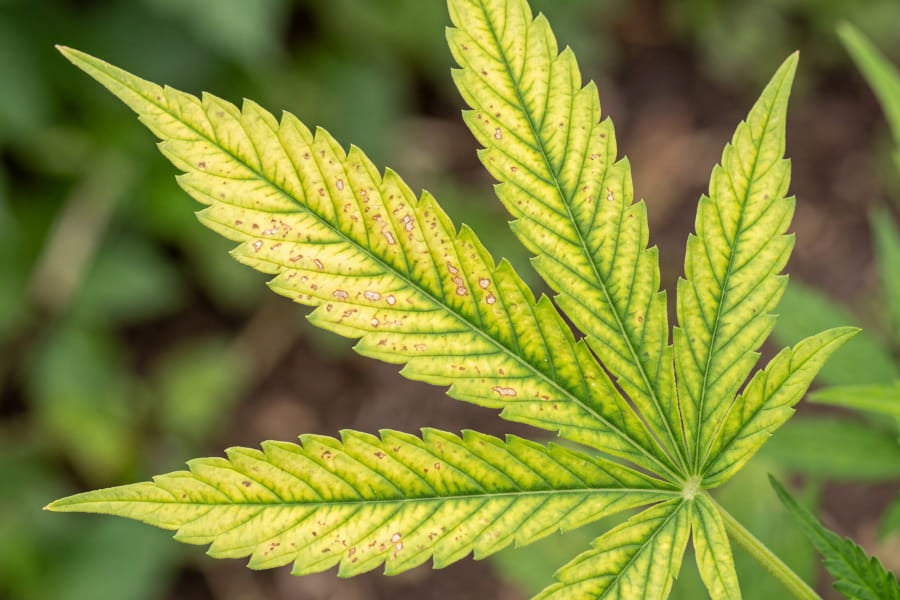
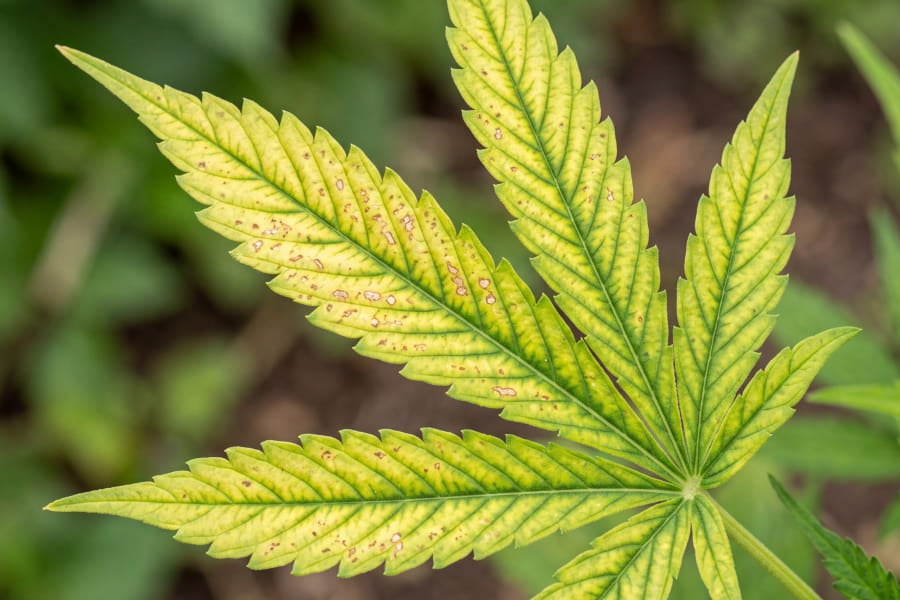
The tell-tale sign: interveinal yellowing dotted with brown spots that dry into small dead patches, while the veins stay green.
Because the pattern starts at the top of the plant and moves down only if ignored, catching it early keeps the damage contained to a few leaves. The three points below break down where it shows, what it looks like, and how it worsens.
- Where it shows first: the youngest leaves at the top and outer tips of the plant.
- What the leaf damage looks like: yellowing between the veins with brown speckling that spreads into dead spots.
- How it progresses untreated: spots merge, leaf tissue dies back, and growth at the tips slows.
Where on the Plant Manganese Deficiency Shows First
Manganese moves poorly inside the cannabis plant, so a shortage strikes the newest growth while older fan leaves stay green. The plant cannot pull stored manganese out of mature leaves and send it to the tips, which is the opposite of how a mobile nutrient like nitrogen behaves.
This top-down starting point is one of the fastest ways to narrow a diagnosis before you look at anything else. When yellowing begins at the top of the canopy, the shortlist of causes gets short quickly.
What the Leaf Spots and Yellowing Look Like
The classic sign is interveinal chlorosis: yellowing in the tissue between veins while the veins hold their green.
Small brown or tan spots appear across that yellowing tissue, and over time those spots dry into necrotic patches. The speckled, spotted quality is what separates manganese from a plain, even yellowing, and it is the detail worth photographing for comparison.
Leaves rarely recover their color once spotted, but new growth comes back clean after the cause is fixed.
How Manganese Deficiency Progresses If Left Untreated
Left unaddressed, manganese deficiency spreads from a few top leaves into most of the upper canopy and slows growth at the tips. The dead spots enlarge and merge, and badly affected leaves curl or drop. Severe, prolonged cases stunt the plant and cut into its eventual yield, though a plant rarely dies from manganese shortage alone.
The point of early action is protecting the healthy new growth that carries the plant forward.
How Do You Confirm It's Manganese and Not Iron, Zinc or Molybdenum?
Manganese, iron, zinc and molybdenum deficiencies are pH-linked micronutrient lockouts that surface as interveinal yellowing, which is why growers mix them up and why a careful look at the leaf saves a wrong correction.
The shared thread is pH-linked micronutrient lockout; what sorts them apart is the specific symptom and where on the plant it lands. Iron, zinc and manganese move poorly, so they hit new growth first, while molybdenum is mobile and starts on the middle and lower leaves before climbing up.
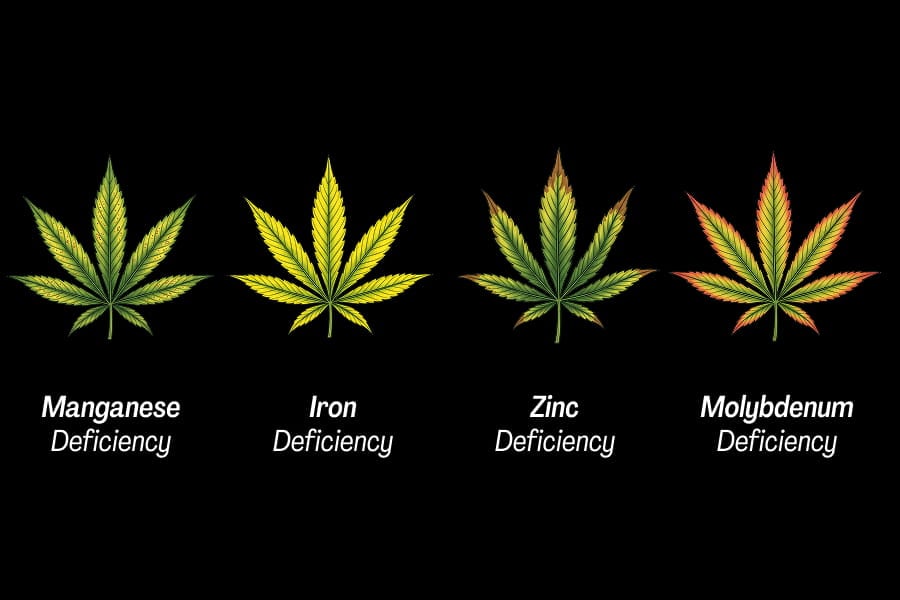
Not sure which deficiency you're seeing? Brown speckling points to manganese, not iron, zinc, or molybdenum.
The table lines up the four at a glance.
|
Deficiency |
Where it shows |
Distinguishing sign |
|
Manganese |
New upper growth |
Interveinal yellowing with brown speckled spots |
|
Iron |
Newest growth |
Bright, even interveinal yellowing, few or no spots |
|
Zinc |
New growth |
Interveinal yellowing plus small, twisted new leaves and tight spacing |
|
Molybdenum |
Middle leaves first, then moving up to new growth |
Interveinal yellowing, reddish or orange edges, later twisting growth |
Iron deficiency tends to be a cleaner, brighter yellow without the speckling, so heavy brown spots point away from iron. Zinc deficiency twists the new leaf blades- its clearest tell- and pairs that with tight gaps between leaves and stunted growth, which manganese doesn't cause.
Molybdenum deficiency carries a distinctive reddish edging, and it begins mid-plant and climbs, the reverse of manganese hitting fresh top growth. It also breaks the pH pattern: molybdenum disappears when the root zone runs too acidic, while the other three lock out as pH climbs.
Reading these differences against the spot pattern and plant location confirms manganese deficiency before you change anything at the roots.
What Causes Manganese Deficiency in Cannabis?
Manganese deficiency usually starts with pH lockout rather than an actual shortage of manganese in the medium. When root-zone pH sits outside the range where manganese stays available, the plant starves even though the nutrient is present.
A few other conditions push in the same direction, and knowing which one applies decides how you fix it. The two subsections separate the common cause from the rare one.
How pH Lockout Blocks Manganese Uptake
Root-zone pH controls whether manganese stays soluble enough for cannabis roots to absorb, and drift out of range locks it out. Push pH too high and manganese availability drops sharply, which is the usual trigger.
When the Medium Is Genuinely Low in Manganese
Occasionally the medium really is short on manganese, usually in reused or heavily leached substrate that has run through many feeds.
An oversupply of iron or zinc can also crowd out manganese uptake, since these micronutrients compete at the root.
These cases are the exception, not the rule, and they become the working diagnosis only after you confirm pH is in range. Treating a true shortage before ruling out pH wastes time and often makes the feed harder to balance.
How Do You Fix Cannabis Manganese Deficiency?
You fix cannabis manganese deficiency by getting root-zone pH into range so the plant can take up the manganese already present.
Two common habits get in the way first. Runoff readings are a warning light for spotting drift, not a target to chase, and adjusting pH until the runoff reads in range tends to overcorrect the root zone. Flushing is the other trap: it clears salt buildup but does nothing to correct pH or replace a missing nutrient.
The three subsections below split the real fix by medium, because living soil and synthetic-fed systems behave in opposite ways.
- Living or organic soil: the soil buffers its own pH, so you adjust with slow amendments, not liquid pH products.
- Synthetic-fed soil, coco or hydro: you pH the mixed nutrient solution to the target range.
- Flushing: a separate salt-clearing step, never a pH fix or a deficiency cure.
Fixing Manganese Lockout in Living or Organic Soil
Living and organic soil buffers its own pH through root-zone microbes, so you do not pH the water or reach for pH Up and Down. In a true organic program, those microbes regulate pH toward what the plant needs, and dosing the water with liquid pH adjusters works against that buffering.
The ideal range to aim for is 6.0 to 6.3 (5.5 to 6.5 is acceptable), and genuine out-of-range soil is corrected with amendments: calcium carbonate or garden lime to raise pH, elemental sulfur with acidic materials to lower it. These amendments act slowly over days to weeks.
Water alkalinity is the long-term driver, so hard water quietly raises root-zone pH feed after feed, and managing your water source matters more than any single adjustment.
Fixing Manganese Lockout in Synthetic-Fed Soil, Coco or Hydro
Synthetic salt-based feeds inhibit the soil's microbial buffering, so synthetic-fed soil, coco and true hydro all need the input pH'd like a soilless grow. Mix your nutrients into the water first, then pH the final solution - never pH plain water, because the nutrients themselves shift the reading and the solution is what reaches the roots.
Coco and hydro target 5.8 to 6.2 ideal (anything from 5.6 to 6.4 still works); coco gets checked frequently, usually weekly, while true hydro systems like DWC, NFT, rockwool and LECA are adjusted daily as the solution drifts
True hydro is where input pH matters most, since there's no substrate to buffer it, so the pH you put into the solution is the pH reaching the roots. This is the one context where pH Up and Down belong, alongside synthetic-fed soil, which runs the same way.
When to Flush, and Why It's Not a pH Fix
Flushing clears salt buildup and does nothing to correct pH or cure a deficiency on its own. Confirm buildup with an EC or TDS reading well above your input before you flush; do not assume it.
A proper flush uses plain, pH'd water with no nutrients mixed in, run through until roughly 30% drains from the base. When both salt buildup and pH drift apply, flush first, then correct pH, then feed only if a true shortage remains. New tip growth greens up within a week or two while spotted leaves stay marked.
How Do You Prevent Manganese Deficiency From Coming Back?
Consistent, medium-appropriate pH management prevents most manganese lockout in cannabis before symptoms appear.
In living or organic soil, prevention means building good soil and controlling your water's alkalinity rather than pH'ing every feed. In coco, hydro or synthetic-fed soil, it means a calibrated pH meter, pH'ing the mixed solution to the ranges above, and clean source water.
Across every medium, a balanced feed that doesn't over-supply iron or zinc keeps those micronutrients from crowding manganese out at the root.
Strong Genetics and a Healthy Start From Seed
Healthy plants shrug off nutrient stress better when they start from stable, vigorous genetics. A robust plant with a strong root system tolerates minor pH swings that would mark a weaker one, which makes seed quality part of your defense against deficiencies.
Vigorous seedlings establish faster, feed more evenly, and give you a wider margin before a drifting root zone turns into spotted leaves. Starting with dependable marijuana seeds is a solid first step, while feminized cannabis seeds and autoflowering seeds offer options for different growing preferences. Neither replaces good pH habits, but starting with quality genetics stacks the odds in your favor from day one.