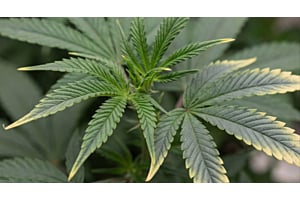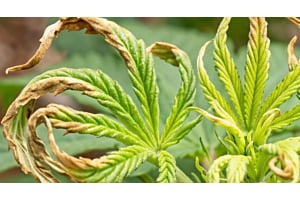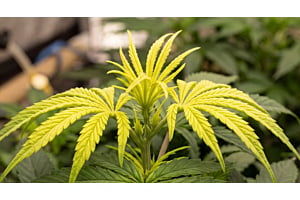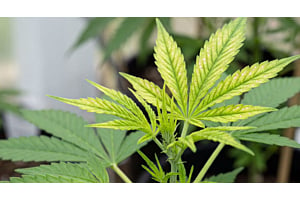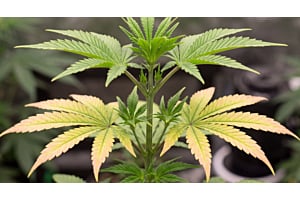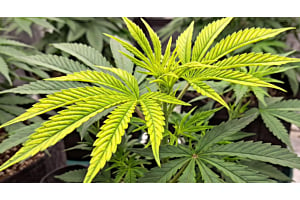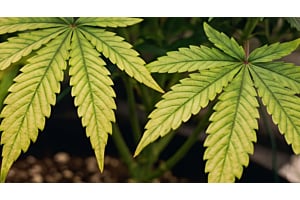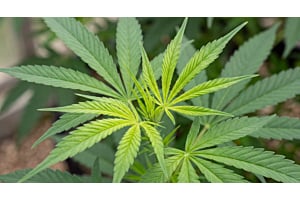
Is bong water good for plants? No, and if you're growing cannabis at home, the distinction matters. Bong water looks like it might have reuse value, but what's actually in it works against your plants, not for them. In this guide, you'll find out what using bong water for plants actually does, why it harms roots and soil and what better alternatives exist.
TL;DR: Bong water isn't good for plants. It carries tar, ash, bacteria and pH-disrupting chemicals that damage roots and soil over time. One splash probably won't kill an established plant, but regular use builds up toxins that soil can't flush out.
What is Bong Water and What Does it Contain?
Bong water is the liquid filtered through a bong's water chamber as cannabis smoke passes through. It starts as plain tap or filtered water, but the filtration process changes it fast. Each use adds tar, ash, plant matter, combustion byproducts and small amounts of water-soluble resin.
Leave it sitting and bacteria begin to multiply, along with mold spores and other microorganisms.
Is Bong Water Good for Plants?
No, bong water isn't good for plants. The tar, acidity and bacteria it carries damage roots and soil health. Even used bong water with some organic matter in it doesn't deliver meaningful nutrients to plant roots. When you’re watering your weed plants, fresh water is always the safer input, but the same goes for any plant you care about.
What Makes Bong Water Bad for Plants?
Bong water harms plants through three main pathways: pH disruption, microbial contamination and tar and ash buildup. Each one creates a different problem for roots and soil. Here's what each pathway actually does:
- PH disruption: bong water's acidity throws off soil chemistry and blocks nutrient uptake at the root zone.
- Microbial contamination: stagnant bong water introduces bacteria, mold and pathogens into your grow medium.
- Tar and ash buildup: combustion residue coats root hairs and clogs soil pores over time.
How Bong Water Acidity Affects Plant Growth
Bong water acidity disrupts soil pH and blocks nutrient uptake at the root zone. Most plants prefer a slightly acidic to neutral range of 6.0 to 7.5. Cannabis plants thrive at 6.0 to 6.5 in soil and 5.6 to 6.4 in hydroponic setups. When soil pH drops outside that window, roots can't take up nitrogen, phosphorus or potassium no matter how much is present.
Can Bong Water Bacteria Harm Your Plants?
Yes, the bacteria in bong water can colonize root zones and introduce pathogens into your soil. Stagnant water is a breeding ground for mold spores, fungi and harmful microorganisms.
Mouth and hand contact when using a bong also adds bacteria to the water before it sits. Root zone infections can cause root rot, and seedlings and young cannabis plants face the highest risk.
How Tar and Ash in Bong Water Affect Soil
Tar and ash deposits from bong water coat root hairs and clog soil pores, reducing water and oxygen flow. Tar is particularly sticky, making it hard for roots to shed once it attaches.
Ash particles accumulate in the gaps between soil particles, compacting the medium and reducing drainage. The damage builds with every application, turning healthy soil into an increasingly inhospitable root environment.
Does Bong Water Help Plants Grow
No, bong water doesn't help plants grow, despite the trace organic compounds it may carry. The belief that organic matter equals usable nutrients sounds logical, but the chemistry doesn't support it.
Any trace nitrogen or phosphorus in used bong water is negligible compared to even a basic nutrient solution. The toxin load, altered pH and bacterial contamination make it counterproductive regardless.
There's also a survivorship bias problem with anecdotal success stories. When a plant survives bong water, growers remember the outcome. When a plant declines slowly from toxin buildup, the bong water connection gets missed. Regular use is what eventually makes the pattern clear.
Will Bong Water Kill Your Plants?
Bong water won't kill an established plant from a single application, but regular use causes cumulative damage that plants can't recover from. The first few waterings with dirty bong water might leave no visible symptoms.
Toxins, altered pH and pathogens accumulate in the soil over time, and by the time symptoms show, the root zone is already compromised. Seedlings and young cannabis plants are at higher risk because their root systems are less established and their pH tolerance is narrower.
Is Bong Water Good for Anything?
No, bong water has very few practical applications beyond disposal. Adding small amounts to a compost pile is the one option with minimal risk. Active compost microbes can break down some of the contaminants over time. Don't count on it as a meaningful contributor, but it won't hurt a healthy pile in small doses.
For everything else, proper disposal is the move. Pour it outside on a non-growing surface to avoid resin buildup in your plumbing. If you prefer the drain, follow it with 30 seconds of hot running water. To trash it, seal it in a container with an absorbent like coffee grounds or cat litter first.
What Should You Use to Water Cannabis Plants?
Cannabis plants thrive with clean, pH-balanced water and consistent nutrient inputs tailored to their growth stage. In soil, aim for a pH of 6.0 to 6.5. In hydroponic setups, keep it between 5.6 and 6.4. Compost tea and purpose-formulated cannabis nutrients are the reliable alternatives to shortcuts like bong water.
Growing cannabis at home (where cultivation is permitted under local, state and federal law, of course) means every input matters from day one. That includes the seeds you start with. High-quality cannabis seeds carry the genetics that determine how your plant responds to watering, nutrition and environmental stress throughout the grow.
Feminized seeds give you predictable, bud-bearing female plants, so your water and nutrient inputs aren't wasted on pollinating male plants you'll have to remove. That predictability extends to your watering and pH schedule too. Autoflower seeds follow an age-based flowering cycle and respond well to simple, consistent watering from germination through harvest. Rainwater is a clean, chemical-free option worth collecting if your setup allows it.
Frequently Asked Questions
Can I Water My Plants With Bong Water Just Once?
One application of used bong water probably won't kill a healthy, established plant. The toxins and pH disruption from a single watering won't accumulate fast enough to do visible damage. But there's no benefit either, so there's no reason to do it. Clean water always delivers better results with zero risk.
Is Bong Water Good for Houseplants?
No, bong water is particularly harmful to houseplants. Indoor plants are often more sensitive to toxins and pH shifts than outdoor ones. They're also growing in smaller, contained soil volumes, which means contamination concentrates faster. Bacteria and mold pose a higher risk indoors too, where warmth and humidity help pathogens spread.
Why Do Some Growers Think Bong Water is Good for Plants?
Some growers assume organic matter in bong water equals usable plant nutrients. Others point to plants that survived a watering with it as proof it works. Both arguments miss the bigger picture: trace organic compounds in used bong water are far too diluted and contaminated to deliver real nutrient value.
Does Bong Water Contain Any Nutrients for Plants?
Used bong water does contain trace amounts of nitrogen, phosphorus and potassium from decomposing plant matter. The quantities are minimal and inconsistent, though, not close to what even a diluted nutrient solution provides.
The tar, ash, altered pH and pathogens in the same water cancel out any potential benefit. You'd get more nutritional value from plain compost tea made at home.
Can Bong Water Be Used as Fertilizer?
No, bong water doesn't function as a reliable fertilizer for plants. Effective fertilizers deliver specific, bioavailable nutrient ratios in consistent concentrations. Bong water delivers inconsistent trace amounts alongside tar, altered pH and bacterial contamination. Purpose-built fertilizers or organic options like worm castings are always the better choice.
Is Bong Water Bad for Cannabis Plants Specifically?
Yes, bong water is particularly harmful to cannabis plants because they're more sensitive to pH swings than many other plant types. Cannabis roots are vulnerable to any contamination that disrupts the 6.0 to 6.5 soil pH range they prefer.
Pathogens introduced through used bong water can trigger root rot, which is especially damaging during the seedling and early vegetative stages. Keep bong water well away from any cannabis grow.
How Do You Properly Dispose of Bong Water?
The cleanest approach is to pour it outside on a non-growing surface like a driveway or path. If you use the drain, run hot water for at least 30 seconds afterward to clear resin buildup.
You can also seal it in a container with coffee grounds or cat litter and dispose of it with regular trash. Changing your bong water regularly makes this easier since fresh water is simpler to deal with than water that's been sitting for days.