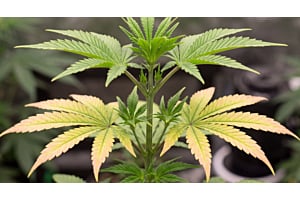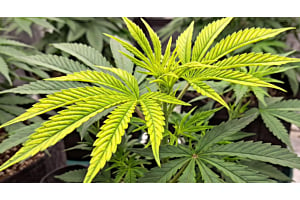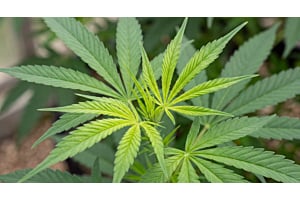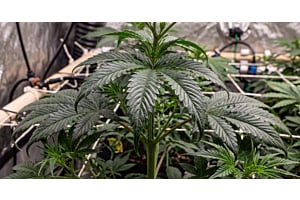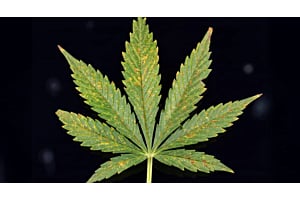
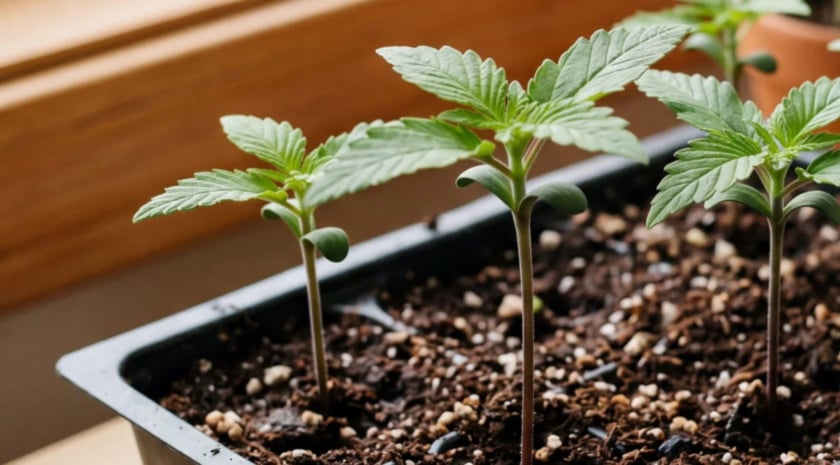
The cannabis seedling stage begins after a seed germinates and the young plant starts forming roots, cotyledons, and its first true leaves. During this stage, a weed seedling needs gentle light, careful watering, stable temperature, and minimal stress before it grows into the vegetative stage.
A marijuana seedling stays delicate through its first weeks, so small mistakes with water, light, or feeding show up faster than they would on an older plant.
This guide follows a baby weed plant from its first sprout through early leaves, root establishment, and the transition into stronger growth.
Cannabis Seedling Stage Quick Answers
- The seedling stage begins after germination, once the sprout emerges from the medium.
- First visible signs are the sprout, the rounded cotyledons, and the first serrated true leaves.
- Seedlings need gentle light, careful watering, and stable temperature and humidity.
- Heavy nutrients early can burn young roots, so feed lightly or not at all.
- The stage ends when roots and true leaves establish and vegetative growth accelerates.
What Is the Cannabis Seedling Stage?
The cannabis seedling stage is the early phase after germination when a young cannabis plant develops its first leaves and root system. It is a transition stage between a sprouted seed and a stronger vegetative plant.
By this point, the seed has already germinated, and the taproot has started anchoring the plant in its medium. The weed seedling stage puts its energy into stable establishment rather than fast, visible growth.
Cotyledons appear first, and true leaves begin developing after them. Roots stay small and sensitive during the marijuana seedling stage, so the plant handles stress poorly. A seedling is not ready for heavy nutrients, training, or intense light this early. The main goal across these seedling stages is a healthy, well-rooted plant, not speed.
What Does a Cannabis Seedling Look Like?
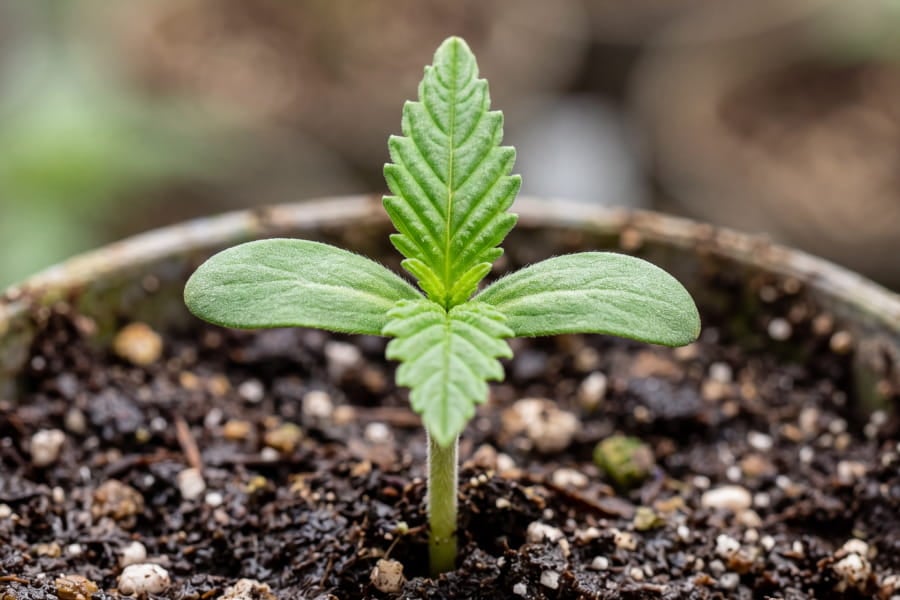
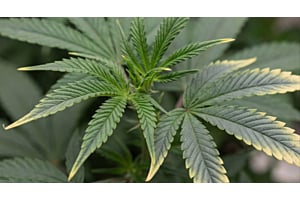
A cannabis seedling showing round cotyledons and the first serrated true leaves.
A cannabis seedling first appears as a tiny stem pushing up through the surface of the medium. The cannabis sprout carries two small rounded leaves called cotyledons, which feed the plant from stored seed energy.
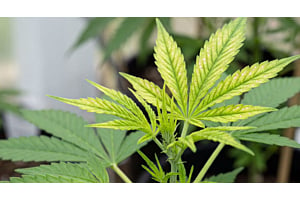
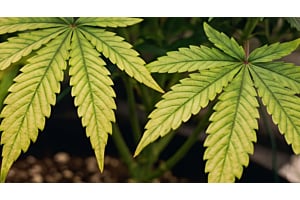
True leaves follow the cotyledons and start showing the serrated, finger-like shape of a mature cannabis leaf. A healthy baby weed plant stands upright, holds a green color, and forms new leaf pairs every few days.
A young weed plant looks small and fragile for the first week or two, and that is normal. When a weed sprout first breaks the surface, it sometimes still carries the cracked seed shell on its cotyledons, which drops off on its own within a day or two.
Do not confuse cotyledons with mature fan leaves, because cotyledons stay small and rounded while true leaves grow the classic serrated edges. The table below maps each visual sign a baby cannabis plant shows during this stage.
What Healthy Cannabis Seedlings Look Like
| Stage / Visual Sign | What It Means | Notes |
| Sprout breaks surface | Germinated seed is emerging | Keep conditions gentle |
| Cotyledons open | Seedling is using early stored energy | Rounded first leaves |
| First true leaves appear | Cannabis leaf shape begins | Serrated edges develop |
| Upright green stem | Normal early growth | Avoid overwatering |
| New leaf pairs form | Seedling is establishing | Transition toward vegetative growth |
These signs track a healthy weed seedling from its first sprout to a rooted young plant. Each new leaf pair signals that the marijuana seedling is establishing itself and moving closer to vegetative growth.
When Does Germination End and the Seedling Stage Begin?
Germination ends when the cannabis seed has cracked, produced a taproot, and started transitioning into above-ground growth. The seedling stage begins when the young plant emerges from the medium and starts developing cotyledons and true leaves.
Germination itself begins earlier, the moment moisture activates the seed, and the shell splits to release the taproot. There's a full method for that earlier stage, and it's all about knowing how to germinate cannabis seeds properly.
A germinated seed is not yet a strong young plant, and the two stages call for different care. Once a weed seed has sprouted, the next step is planting the sprout so the taproot can anchor and the stem can rise. Seedling care starts only after the plant sits above the medium and begins establishing roots and leaves.
That handoff, from a cracked seed with a taproot to a leaf-forming seedling, marks the real boundary between the two stages.
How to Plant a Weed Seed or Sprout
You plant a weed seed or sprout by settling it gently into a light medium and covering it shallowly. Use a suitable seedling mix, make a small planting hole, and place the sprouted seed carefully with the taproot pointing down.
If you must handle the seed, hold it by the shell rather than the fragile taproot. Keep the medium lightly moist, not soaked, and avoid packing the soil tightly around the sprout.
Plant the sprout shallow and lightly covered rather than buried too deep, because a deep-set seedling burns energy reaching the surface. Skip intense light in the first hours after planting so the young plant can settle without stress. If your seed has not sprouted yet, germinate it before planting.
How Long Is the Cannabis Seedling Stage?
The cannabis seedling stage lasts until the young plant has established roots and several sets of true leaves. Timing varies, but growers should judge progress by healthy new growth rather than a fixed number of days.
Genetics, seed type, environment, light, watering, and plant health all shift how long the marijuana seedling stage runs. Most seedlings stay delicate through the first one to two weeks, and some transition faster or slower than others.
A healthy one-week-old seedling often shows its first true leaves, while a healthy two-week-old seedling carries more leaf structure and stronger roots. By week three, a young cannabis plant usually looks sturdier and forms new leaf sets more quickly. A seedling leaves this stage when stronger root growth and steady new leaf pairs appear.
The table below gives approximate markers, but treat them as general signposts rather than guarantees.
Cannabis Seedling Timeline
| Approximate Point | What You May See | Main Care Focus |
| Day 1–3 after sprout | Stem emerges, cotyledons open | Gentle light and stable moisture |
| Around day 7 | First true leaves developing | Avoid overwatering and intense feeding |
| Around day 14 | More leaf structure and root growth | Gradually support stronger growth |
| Week 3+ | Stronger young plant, more leaf sets | Prepare for vegetative-stage care |
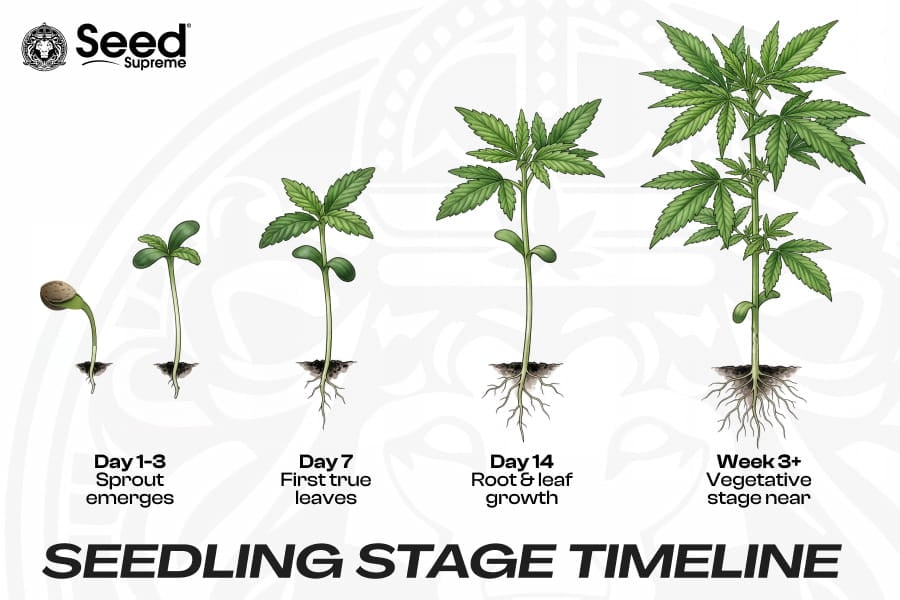
Cannabis seedling growth timeline infographic.
These points are approximate and may shift with genetics and environment. A three-week-old weed plant that still looks small is not automatically a problem, so read the plant's health before the calendar.
Best Light for Cannabis Seedlings
Cannabis seedlings need gentle, consistent light after they emerge from the growing medium.
Too little light can make seedlings stretch, while too much intensity can stress young leaves and roots. A stretchy, tall seedling with a thin stem usually signals that the light sits too weak or too far away. A seedling scorched by heat or intensity signals the opposite, so the goal is steady, moderate light.
Indoor seedlings need an appropriate light schedule and a fixed distance from the source, which the growing cannabis indoors guide covers in depth. Outdoor seedlings need protection from harsh sun, wind, and cold while they are still young and fragile.
Cannabis seeds do not need light to germinate before they emerge, because germination is a separate process that happens before the seedling breaks the surface. Light matters only once the seedling breaks the surface and begins above-ground growth. Growers setting up an enclosed space can also review the best grow tents for seedling-friendly conditions.
How Often to Water Cannabis Seedlings
Water cannabis seedlings lightly and carefully. The medium should stay lightly moist around the young roots, but it should not remain soaked, because overwatering can slow root growth and cause seedling problems.
Seedlings carry small root systems, so they use far less water than a mature plant. Watering the whole surface of a large pot repeatedly leaves the medium waterlogged and starves the roots of oxygen. Watering frequency depends on pot size, medium, airflow, temperature, humidity, and seedling size, so no fixed schedule fits every setup.
Drooping leaves can come from either overwatering or underwatering, so check the medium's moisture before adding more water. Big pots make overwatering easier, because a small seedling cannot use all the moisture a large volume of soil holds.
A full watering cannabis plants routine covers frequency and volume in detail. If symptoms persist after you fix the moisture, a wider cannabis plant problems diagnosis helps trace the cause.
Best Soil and Medium for Cannabis Seedlings
The best soil for cannabis seedlings is light, well-draining, and not too nutrient-heavy. Young roots need air, gentle moisture, and room to expand more than strong feeding.
A light seed-starting soil or mild growing medium gives seedlings good drainage and aeration without overwhelming them. Heavy, compacted, or over-fertilized soil holds too much water and can burn or suffocate fragile roots.
Coco, soil, and hydro setups each carry different watering and feeding needs, so the medium shapes your whole early routine. Seedling roots need oxygen as much as moisture, which is why drainage matters more than richness this early. The medium you choose also sets how often you need to water, since a fast-draining mix dries out sooner than a dense one.
Temperature and Humidity for Cannabis Seedlings
Cannabis seedlings need stable temperature and humidity to establish without stress.
Seedlings prefer steady conditions, because sudden temperature swings slow growth and weaken young roots. Humidity helps a young seedling avoid drying out too quickly while its root system is still small. Too much humidity paired with poor airflow raises the risk of mold and damping-off, so balance moisture with gentle air movement.
Indoor growers should monitor conditions closely and keep the environment consistent, which the growing cannabis indoors guide covers in detail. Outdoor seedlings may need protection from cold nights, harsh midday heat, strong wind, or intense sunlight, as explained in the outdoor growing guide.
Unstable temperature or humidity often shows up as stress symptoms on the leaves, which the cannabis plant problems hub helps diagnose. Steady conditions remain the single most reliable way to move a seedling toward healthy vegetative growth.
Nutrients for Cannabis Seedlings
Cannabis seedlings usually need very light nutrition, if any, during early growth. Too much fertilizer can damage young roots and slow the plant before it reaches the vegetative stage.
Seedlings draw on stored seed energy at first, so they demand little outside feeding in their earliest days. Young roots stay sensitive, and strong nutrients burn them faster than they burn an established plant.
A mild growing medium often supplies enough early nutrition on its own, so feeding depends on the medium and the plant's development. Nutrient demand rises later, once the plant enters vegetative growth and starts building leaves and branches quickly. Do not treat a seedling like a mature veg plant, because its needs are far smaller and its tolerance far lower.
The cannabis nutrition and feeding guide covers the full feeding schedule, and demand increases as the plant moves into the cannabis vegetative stage.
Common Cannabis Seedling Problems
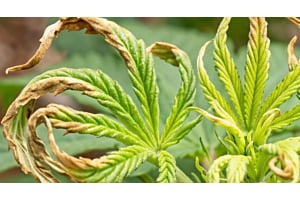
Cannabis seedling problems usually trace back to water, light, temperature, or feeding, and most follow a symptom-to-cause pattern. A seedling that stops growing, stretches, yellows, droops, or curls is signaling a specific environmental issue. Weak stems, nutrient burn, damping-off, and transplant shock round out the most common seedling issues growers face.
The table below pairs each cannabis seedling problem with its likely cause and the first thing to check.
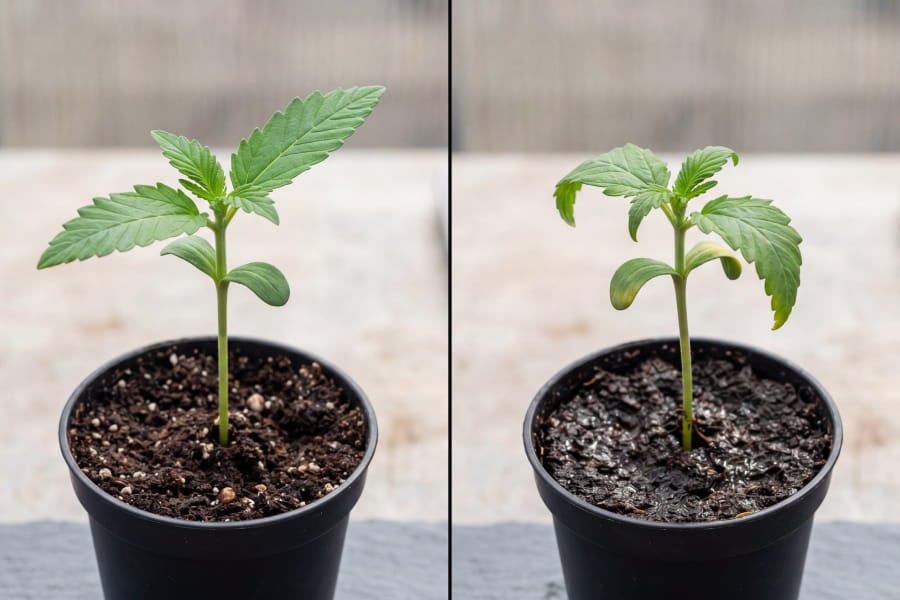
A healthy cannabis seedling and an overwatered drooping seedling.
Cannabis Seedling Problems and Possible Causes
| Seedling Problem | Possible Cause | What to Check |
| Seedling not growing | Cold, overwatering, weak light, poor roots | Environment, moisture, light |
| Tall/stretchy seedling | Light too weak or too far away | Light distance/intensity |
| Drooping seedling | Overwatering or underwatering | Medium moisture and pot size |
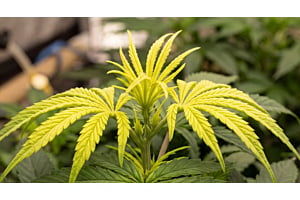
| Yellow seedling leaves | Overwatering, nutrient issue, natural cotyledon change | New growth vs old leaves |
| Brown tips | Nutrient burn or stress | Feeding strength |
| Weak stem | Stretching or poor airflow | Light and gentle airflow |
| Mold/damping-off | Too wet, poor airflow | Moisture and cleanliness |
Yellowing on the lower cotyledons is often natural as the plant shifts to true leaves, so compare old growth against new before acting. A healthy cannabis seedling recovers quickly once the underlying cause is fixed, so change one variable at a time and watch the response.
Drooping or overwatered seedlings often result from watering issues, while yellowing leaves and brown tips usually point to nutrient problems. Stretching is typically caused by inadequate lighting or improper grow-space setup, and other symptoms can usually be traced back to environmental or care-related issues.
When to Transplant Cannabis Seedlings
A cannabis seedling is ready to transplant when it has enough root and leaf growth to handle the move without major stress. Timing depends on container size, root development, environment, and overall seedling health.
Transplant too early and the fragile roots cannot cope with the disturbance, and transplant too late and a root-bound plant slows down. Judge readiness by root and structural development rather than a fixed date on the calendar.
Handle the root ball gently, because disturbing fragile roots invites transplant shock that can stall growth for days. Avoid jumping straight into an oversized pot, since too much medium around a small plant makes watering harder for beginners. Moving seedlings outdoors calls for hardening off and close attention to weather before they go out.
Indoor growers can transplant into final containers once the roots fill the starter pot, and a clean transplant often leads straight into stronger cannabis vegetative stage growth.
When Does a Cannabis Seedling Enter the Vegetative Stage?
A cannabis seedling enters the vegetative stage once it has established a healthy root system, developed several sets of true leaves, and begins faster leaf, stem, and branch growth. At this point, the plant can handle stronger light, increased watering, and higher nutrient levels than it could during the fragile seedling stage.
Training should generally wait until the plant is strong enough to recover from it, and cannabis plant training becomes an option only once the plant leaves the seedling phase. Autoflower plants have a shorter overall lifecycle, so their seedling window can feel brief even though early care is much the same.
The seedling stage is one step in the full plant lifecycle. Watching for accelerated growth is the clearest signal that seedling care has done its job.
Does Seed Type Affect the Seedling Stage?
Seed type shapes what happens after the seedling stage more than it changes basic early care. Feminized seedlings still need the same gentle light, careful watering, and stable conditions as any young plant.
Autoflower seedlings handle everyday environmental swings reasonably well, but their compressed lifecycle gives them little time to bounce back from a serious early mistake, so a rough start hits them harder than it would a photoperiod plant. Regular seedlings may later develop into male or female plants, which matters for breeding but not for seedling care.
Photoperiod seedlings later respond to light-cycle changes that trigger flowering, while autoflowers flower on age instead. Beginners weighing their first grow often compare autoflowering vs feminized cannabis seeds to match the seed to their goals.
Either way, seed type affects planning and timeline far more than it changes basic seedling handling.
Cannabis Seedling Care Checklist
Use this checklist as a quick reference for healthy seedling care from sprout to vegetative growth.
- Keep light gentle but consistent.
- Keep the medium lightly moist, not soaked.
- Avoid heavy nutrients early.
- Keep temperature and humidity stable.
- Use a light, well-draining medium.
- Avoid touching or disturbing young roots.
- Watch for stretching, drooping, yellowing, or stalled growth.
- Transplant only when the plant is strong enough.
- Move into vegetative-stage care as growth accelerates.
Cannabis laws vary by state and locality. Check local laws before germinating or growing cannabis seeds, and only germinate or cultivate where permitted.