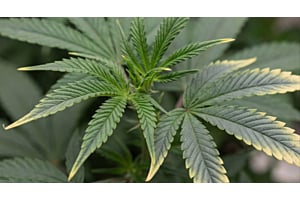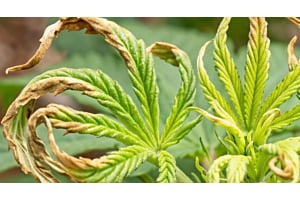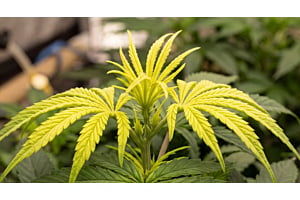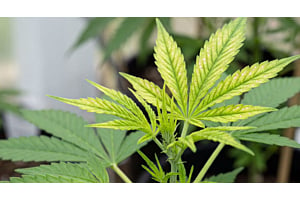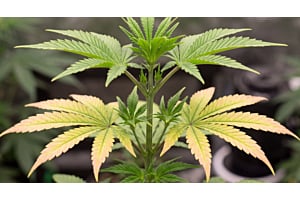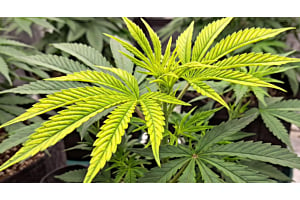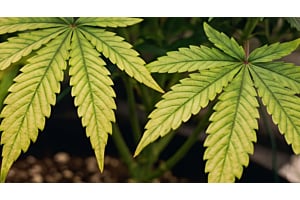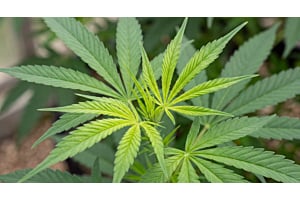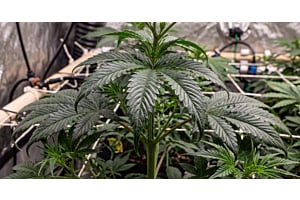
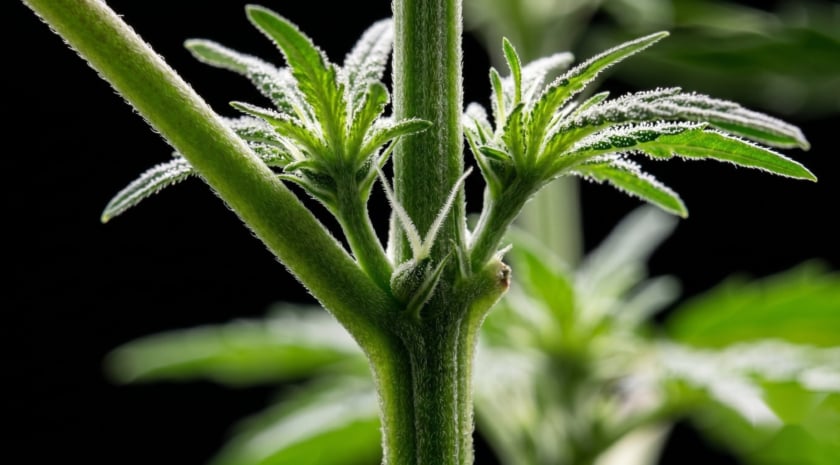
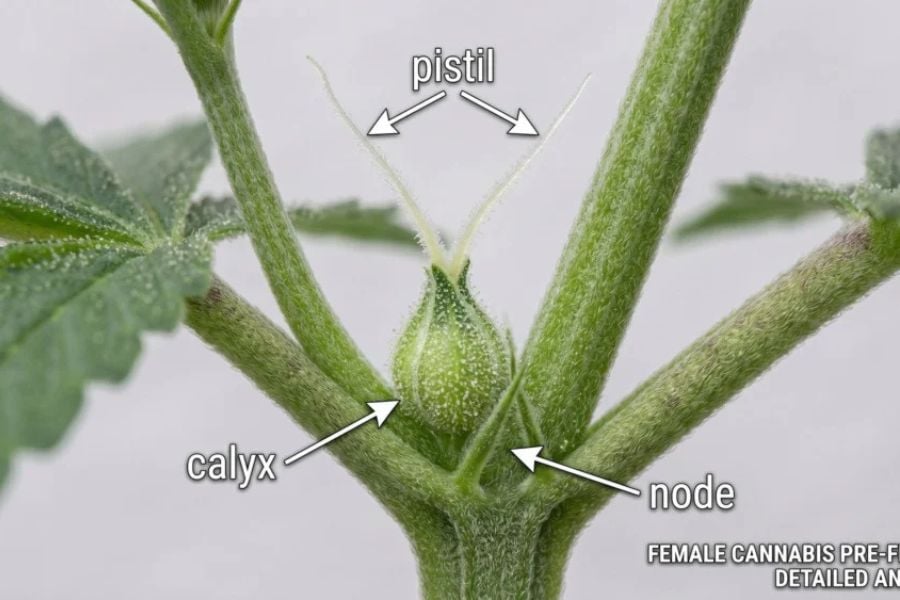
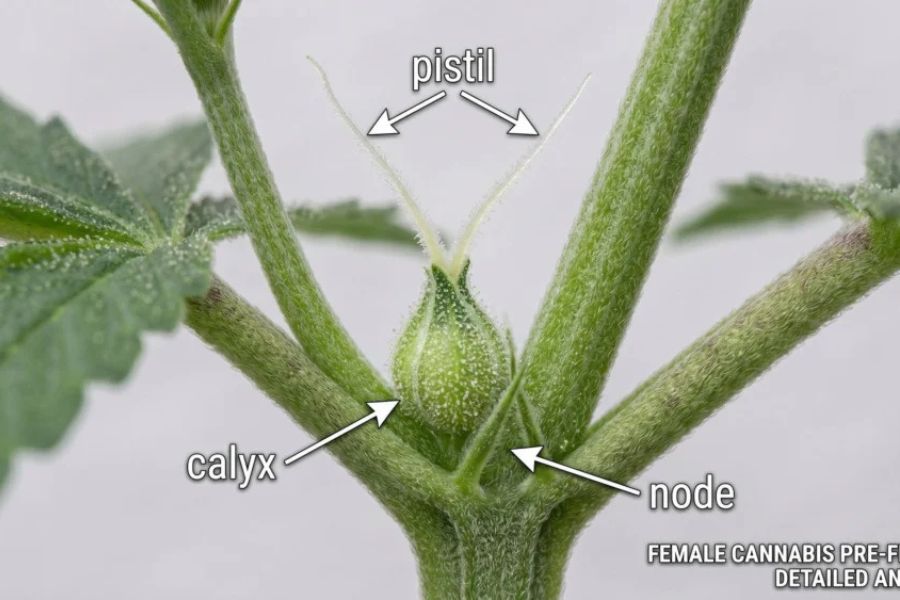
The early signs of a female plant appear at the nodes as pre-flowers: the small, teardrop-shaped calyxes with one or two fine white hairs emerging from the tip. These structures develop in weeks 4–6 from germination, before the full flowering stage begins.
Female cannabis plants produce dense, resin-rich buds, while male plants grow the pollen sacs that pollinate females, turning those flowers into seeded buds. Knowing how to spot the early signs gives you the control you need to protect your harvest.
This guide covers female plant identification from the first pre-flowers through the flowering stage. It also addresses what you can and can't determine from a seed, what to do once you’ve confirmed plant sex, and how a female vs male plant differs.
Why Identifying Female Cannabis Plants Is So Important
Female cannabis plants produce the resin-coated buds that carry cannabinoids and terpenes, developing from bud sites that form at the nodes and multiply as the plant advances through flowering. Male plants, by contrast, develop pollen sacs instead, and once those sacs open, they release pollen that fertilizes any nearby females.
A pollinated female shifts her energy from bud development into seed production. The result is smaller, seeded buds with lower trichome density and reduced potency. A single undetected male in your grow space can pollinate every female around it.
When Do Cannabis Plants Show Their Sex?
Photoperiod cannabis plants reveal their sex during the late vegetative phase, with females typically showing pre-flowers in weeks 4–6 from germination and males running ahead of them at weeks 3–4. Autoflowering plants show their pre-flowers as early as weeks 2–3.
These windows differ according to seed/plant type, though they hold across most sativa and indica strains. Genetics, lighting, and environment also influence the pre-flower timeline.
Why Are There No Reliable Plant Sex Signs During the Seedling Stage?
A cannabis seedling hasn’t built the node structure needed to show sex in its first 2–3 weeks of growth. There are no pre-flowers to find yet, just cotyledons, early true leaves, and the first sets of fan leaves. Checking plant sex this early only leads to guessing.
Give the weed plant time to develop several sets of true leaves and established nodes before you start looking for pistils or pollen sacs.
When Do Pre-Flowers Appear on Female Plants?
Female photoperiod pre-flowers emerge before flowering begins, usually during late veg. The pre-flowers on autoflowering plants show up earlier because they have a shorter lifecycle and flower based on age alone. Regardless, the plant isn't producing buds yet. It's showing the first structural signs of its sex.
A cannabis plant is ready to check once it has developed several sets of nodes and moved past its earliest seedling growth. That structural maturity (not the date alone) is what actually tells you when female pre-flowers are bound to appear.
Where Do Pre-Flowers Appear on Female Cannabis Plants?
Female cannabis pre-flowers form at the nodes, the junctions where branches connect to the main stem. Look for them just above where the branch diverges from the stem, especially on the upper nodes.
Use a jeweler's loupe or handheld magnifying glass to inspect the nodes closely when pre-flowers are still small. Start with the upper nodes first, since they tend to show pre-flowers before the lower growth does.
What Are the Early Signs of a Female Cannabis Plant?
The early signs of a female cannabis plant appear at the nodes as tiny, teardrop-shaped calyxes with white pistil hairs. Spotting these structures between weeks 4–6 gives you the earliest reliable confirmation of female sex. Here’s what to look for:
- The preflower shape and whether it has pistil hairs.
- Other visual traits beyond the nodes that support identification.
- How the bud sites form and mature as the female plant moves into full flowering.
What Female Cannabis Pre-Flowers Look Like
Female cannabis pre-flowers look like small, teardrop-shaped pods (called calyxes) with one or two fine white hairs (called pistils) emerging from the tip. Pistils are the plant's female reproductive structures, designed to catch pollen. If you see white hairs at the node, you're looking at one of your female marijuana plants.
Supporting Visual Traits of a Female Cannabis Plant
Female weed plants grow shorter and bushier with tighter node spacing and more lateral branching than males from the same seed stock. These traits are supporting signals, not definitive confirmation. Pistils at the nodes are your best visual proof, though some plants are slow to show them.
If a plant won't declare, take a cutting and flower it under 8 hours of light and 16 of darkness, and it'll reveal its sex within one to two weeks.
How Female Cannabis Flowers Develop Over Time
Female cannabis flowers stack along the branches as the plant moves deeper into the flowering stage. Pistils multiply and become more visible, shifting from white to amber as the plant matures. Bud sites swell instead of forming the pollen sac clusters you'd see on a male.
A healthy female won't grow pollen sacs, so if any show up later in flower, treat it as a sign of stress-related hermaphroditism (more on that below).
Can You Identify a Female Cannabis Seed By Looking at It?
No, you can’t identify a female cannabis seed just by looking at it because sex is encoded in its chromosomes, not expressed in any visible surface feature. No shape, size, color, crater pattern, or stripe reliably indicates whether a seed will grow into a female plant or a male.
Seeds from the same batch can look completely identical and still produce a roughly 50/50 split of males and females.
Several persistent myths claim that seed size, a rounded base crater, or stripe markings can identify female seeds. None of these holds up. Seed surface characteristics reflect plant health, genetics, and harvest conditions, not the chromosomal sex of the plant inside.
Seed appearance does tell you something, but it’s not plant sex. A mature, hard seed with a dark, intact shell is more likely to germinate than a pale, soft, or cracked one. Checking a seed's condition before you plant is worth doing, but it won’t tell you anything about plant sex.
The two reliable paths are starting with feminized cannabis seeds or learning to read pre-flowers after germination. If you're working with regular weed seeds, start checking the nodes for pre-flowers around week 3. For any plant that stays quiet, a flowered cutting or a DNA test will settle it.
Male vs. Female Cannabis Plants: How to Tell the Difference
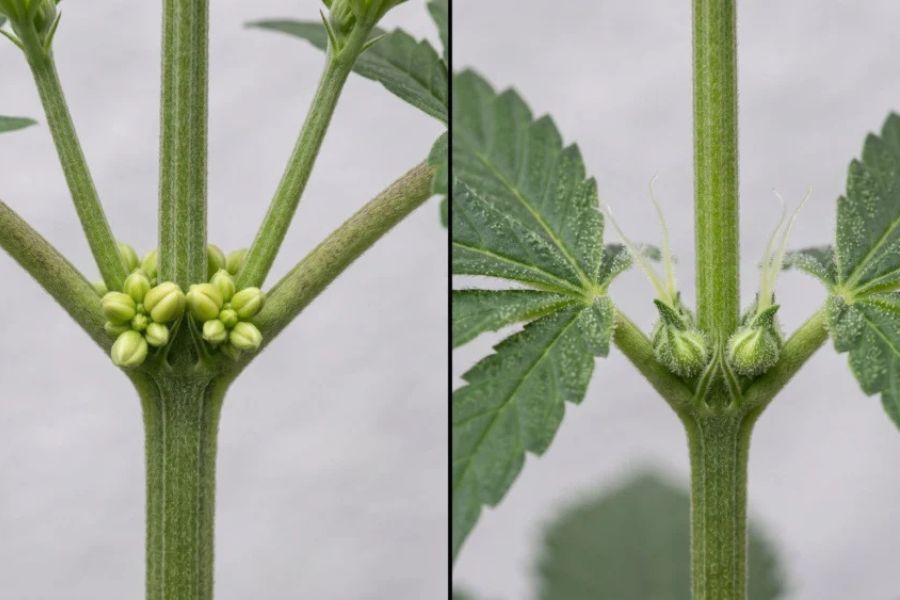
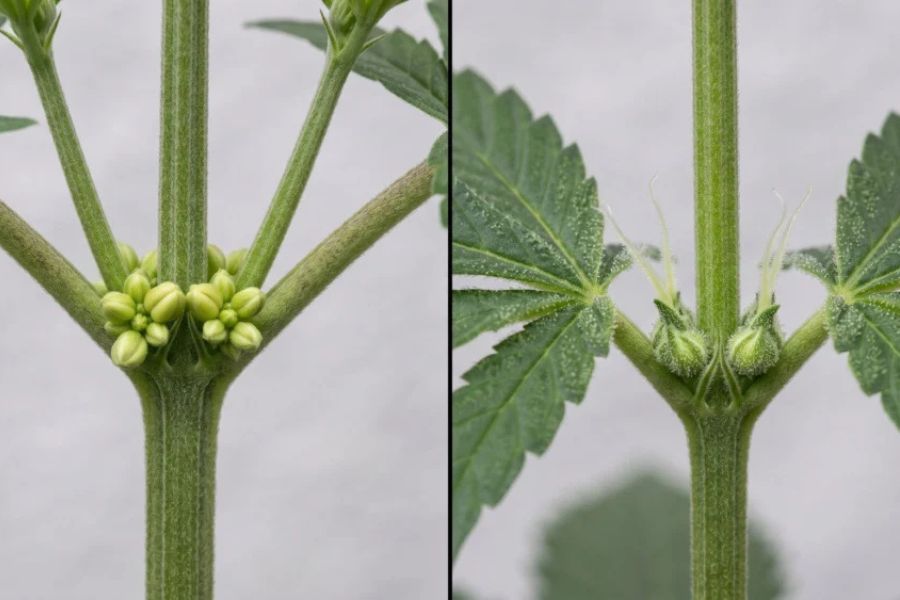
Male vs. female cannabis plants reveal their sex through different pre-flower structures. Male pre-flowers appear as round, smooth balls at the nodes without pistil hairs, while female pre-flowers have teardrop-shaped calyxes with pistil hairs.
Male marijuana plants also tend to grow taller with wider node spacing and sparser foliage than females. Structure alone isn't a reliable sex indicator, though. That’s why visual node inspection is the most reliable and free sexing method available at this stage.
The Early Signs of Male vs. Female Cannabis Plants Side by Side
The early signs of a male weed plant differ most clearly in the pre-flower structures at the nodes. That’s why the nodes are the first place to look when you’re sexing a plant. The table below lays out the key traits, along with how much weight you can put on each one:
| Trait | Female Pre-Flower | Male Pre-Flower | Reliability |
| Shape | Teardrop / pear-shaped calyx | Round, smooth ball | High |
| Hairs (pistils) | 1–2 white hairs at tip | None | High |
| Texture | Pointed, delicate | Smooth, hairless | High |
| Timing | Weeks 4–6 from germination | Weeks 3–4 from germination | High |
| Plant structure | Shorter, bushier, tighter nodes | Taller, sparser, wider internodes | Low (confirmatory only) |
Pistil presence is the highest-reliability indicator in the table. If you see white hairs at the node, the weed plant is female. If you see round, smooth balls with no hairs, the plant is male and should be removed before it releases pollen.
When you’re growing weed from confirmed female plants, the focus shifts to light, nutrients, and environment through the flowering stage. If you're breeding intentionally, male plants serve a necessary role. Controlled pollination of select female plants produces seeds that carry the genetics you want to preserve for future grows.
What to Do After Identifying a Female Cannabis Plant
Female cannabis plants need protection from male pollen and a stable grow environment to support full bud development. Once you've confirmed a female plant, follow these steps:
- Inspect all remaining plants. If you're growing from regular seeds, check every plant's nodes for pre-flowers before assuming all are female.
- Remove male plants immediately. Carefully move identified males out of the grow space without shaking them, as even immature pollen sacs can burst during handling.
- Clear and confirm your space. Do one full sweep of all plants before moving into the flowering stage to make sure no males were missed.
- Stabilize your grow conditions. Maintain a consistent light schedule, humidity and nutrient feed, since environmental stress can trigger hermaphroditic traits in otherwise healthy female cannabis plants.
- Monitor for any signs of hermaphroditism. A hermie plant develops both pistils and pollen sacs, usually due to extreme stress. Hermie male flowers can look just like a male plant's round pollen sacs, scattered through the buds, bunched in clusters, or taking over an entire branch. Some hermies also push out small, curved, banana-shaped growths (exposed anthers) tucked inside or right next to the buds.
Check the bud clusters closely throughout flowering, not just the nodes, since this is where hermie pollen sacs tend to form.
How Your Seed Type Affects Female Plant Identification
Seed type determines how much identification work a grower needs to do. That range goes from virtually no sexing required to mandatory pre-flower inspection for every plant, depending on which marijuana seeds you choose. Here’s what you need to know about the different types:
- Why and how near-all-female genetics change the grow process.
- When regular seeds make plant sexing necessary.
- Where autoflower weed seeds fit into your grow.
Why Feminized Cannabis Seeds Simplify Plant Sexing
Feminized cannabis seeds are bred to produce female-only plants, so male plant removal is rarely needed. Starting with this seed type means you can focus on plant care and harvest timing. That said, a quick check through the grow is good practice since weed plants can still show hermaphroditic traits on rare occasions.
For bud-focused growers, this is the most direct path to a harvest.
When Regular Seeds Make Plant Sexing Necessary
Regular seeds produce a roughly 50/50 mix of male and female plants. Pre-flower inspection is a required part of every grow that starts from this stock. Plan for daily node inspections from week 3, since males declare first, and set aside space in your grow plan for plant removal once they are identified.
Where Autoflower Weed Seeds Fit Into Your Grow
Autoflower weed seeds are most commonly available in feminized format, though niche regular versions exist too, so whether pre-flower inspection is required depends on which type you start with. Feminized autos produce female plants in nearly all cases (the same as photoperiod feminized seeds). Regular autoflowers produce a ~50/50 sex split.
7 Common Mistakes to Avoid When Sexing Cannabis Plants
When sexing cannabis plants, the most common errors come down to timing, misidentification, or incomplete inspections. Here are 7 mistakes to avoid:
- Checking too early. With photoperiod plants, the first two weeks tell you nothing. Males usually start showing around week 3, and females around week 4, so node checks start paying off then. Autos run on a faster clock and can show pre-flowers from week 2.
- Waiting too long. Pollen sacs can mature and open faster than most growers expect. By the time full flowering is visible, a male may already be releasing pollen.
- Confusing male pre-flowers with female ones. Both appear as small growths at the nodes in the earliest stages. The decisive difference is white pistil hairs. Female pre-flowers have them. Male pre-flowers don't.
- Ignoring the nodes. The clearest signs of plant sex appear at the nodes, where branches meet the main stem. Checking only the canopy or leaf tips delays accurate identification.
- Missing one male plant. A single male can release millions of pollen grains in an enclosed space. That’s precisely why one missed plant can pollinate every female in your grow room.
- Not separating the males immediately. Once you've confirmed a male, remove it from the grow space right away. Even plants that look immature can have pollen sacs close to opening.
- Relying on plant height alone. Male weed plants tend to grow taller with sparser foliage, but height doesn't confirm sex. Always verify plant sex by inspecting the nodes for pre-flowers.