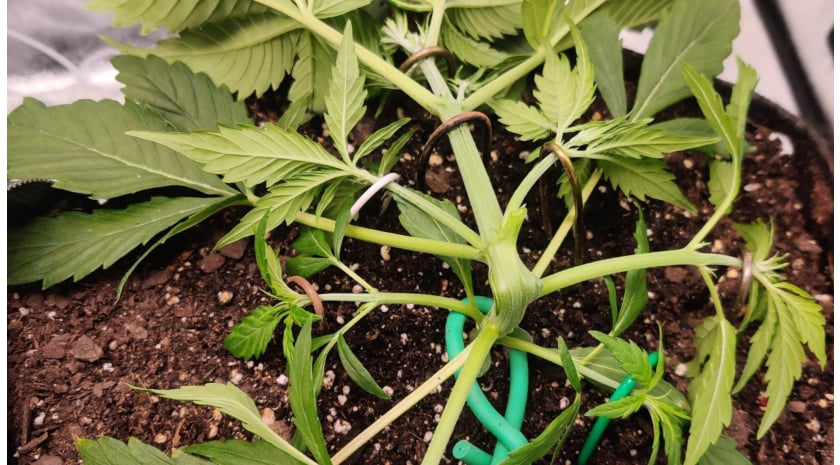
Super cropping (also written supercropping) is all about bending branches on purpose. It's a high-stress training (HST) technique where you deliberately damage the inner stem of a weed plant without breaking the outer skin - forcing the plant to heal stronger and redirect energy into bigger, denser buds. The slight wound becomes a hardened "knuckle" within a week, and from there the plant grows back tougher and more productive.
Used correctly, supercropping drives:
- Bigger yields
- Higher potency
- More resin production
- A stronger overall plant structure
It's one of the best cannabis cultivation methods a grower can add to their skillset, and the natural counterpart to low-stress training (LST). Once you've tried it, you'll wonder why you waited.
This guide covers what the super cropping technique is, why it works, when to start, and how to execute each step correctly.
So, What is Super Cropping?
Super cropping is a high-stress training technique that involves pinching and bending stems to slightly hurt the inner tissue while keeping the outer skin intact. Doing so forces the cannabis plant to form a thick knot at the bend point.
That knot becomes stronger than the original stem, which helps to maximize the plant's growth potential.
How Does Super Cropping Work?
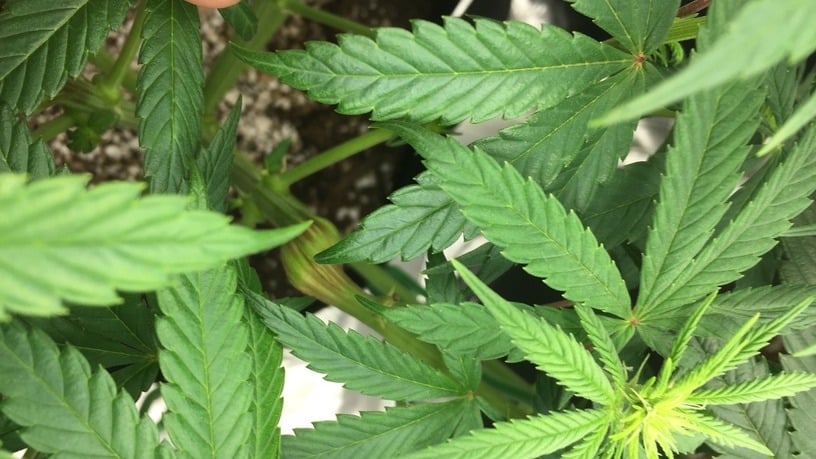
Super cropping works by triggering a stress response, which redirects energy and nutrients to the damaged site. As a natural defense against the perceived threat, female marijuana plants are believed to ramp up resin production and generate more cannabinoid-rich trichomes.
Cannabis growers deliberately exploit this response to elicit stronger branching, a more even canopy, and ultimately better harvests.
Why Super Crop Cannabis Plants?
Done correctly, super cropping delivers results that most other training techniques can't match. Here's what it brings to the table:
Better Bud Development & Canopy Control
Super cropping changes the growth pattern of cannabis plants, allowing more light to reach the lower bud sites that would otherwise sit in shadow. It's one of the most practical ways to improve bud development and manage plants that are stretching unevenly.
More Potent Buds
When you stress the plant through super cropping, it's believed to increase resin production as part of its defense mechanism. Growers regularly report noticeably more potent buds from super-cropped plants compared to untrained ones grown from the same genetics.
Bigger Yields at Harvest
Rather than pouring energy into one dominant main cola, super-cropped cannabis plants develop multiple colas at a similar height. That shift in energy distribution means more flower sites, more buds, and a heavier harvest.
Stronger Branch Structure
The knuckles that form at each super crop site are denser than the original stem. That extra strength matters most in late flowering, when branches need to carry the full weight of swelling colas without snapping.
When to Start Super Cropping
Most cannabis growers start super cropping in weeks 3-4 of vegetative growth. The cannabis plant should already have its third node, and the stems should be pliable and green rather than woody.
That said, some experienced growers wait until 3-7 days before flowering starts. This later timing lets the plants recover before channeling their stress response directly into early bud production.
When NOT to Super Crop Your Plants
- When Your Plants Are Flowering: Any high-stress training - including super cropping - does more harm than good. Bud production becomes the plant's sole focus, and introducing a very stressful technique at that point risks stunted growth.
- When You're Growing Autoflowers: Autos have a short vegetative window, leaving little room to recover from the high stress of super cropping. Stick to low-stress training - it's the safer option.
- Immediately after transplanting: plants are already working hard to re-establish their root system. Piling on additional stress before they've settled in is a one-way ticket to stalled growth.
- During a Recovery Period: If your plant is bouncing back from a previous super crop, a nutrient issue, or any other setback, wait until it's visibly healthy and growing again before applying more stress.
- When Your Plant is Unhealthy: Super cropping works best on vigorous, thriving cannabis plants. A sick or struggling plant simply doesn't have the resources to respond and recover the way a healthy one does.
What You'll Need to Start
Super cropping doesn't require fancy equipment; a few basic supplies are all you need to get started. The technique works on almost any cannabis strain, but it pays off most on vigorous, branchy plants. Strong genetics from high-yield feminized seeds give you the structural strength and recovery speed to make supercropping really sing:
- Soft plant ties, zip ties, or garden wire to secure branches.
- Garden stakes or wooden dowels to anchor tie points in pots.
- Duct tape for patching accidental breaks.
- A healthy, well-watered plant.
How to Super Crop Cannabis: Step by Step
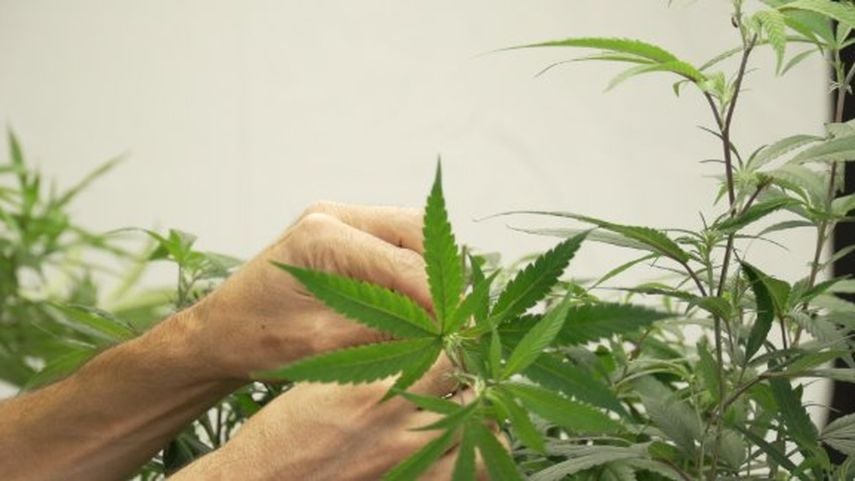
Cannabis stem being carefully bent to about 90 degrees to train the plant during super cropping.
Super cropping sounds complicated at first. In practice, it's two hands, a little patience, and a technique that gets faster (and easier) every time you do it.
Here's how to super crop your plants from start to finish:
Step 1: Choose Your Branches
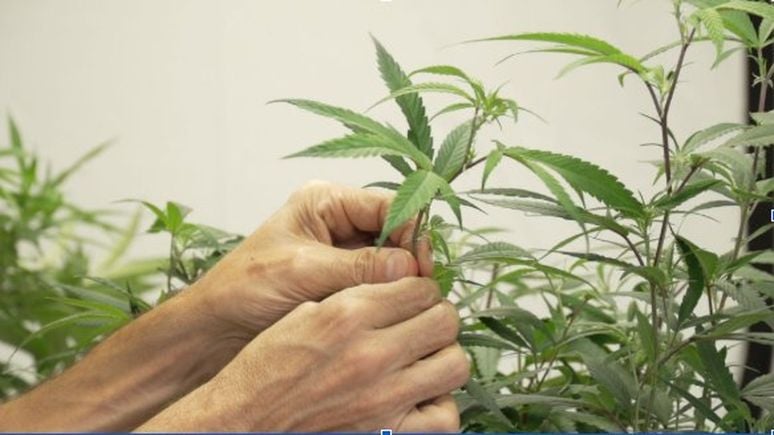
Look for branches that are actively growing, flexible, and still have plenty of stem above them. Start with the tallest ones first to bring the canopy level. Avoid anything that's turned stiff and woody at the base because it'll snap before it bends. Don't crop less than 2-3 nodes from the branch tip.
Step 2: Locate the Crop Point
Pick a point between two nodes. Run your fingers along the stem until you find a section that still gives slightly under light pressure. That's your sweet spot. Aim for a section of stem with some flexibility left in it rather than one that already feels rigid.
Step 3: Slowly Squeeze & Soften the Stem
Place your thumb and index finger around the stem at the chosen point. Gently squeeze and roll it between your fingers using slow, even pressure. You want to crush the inner fibers without breaking the outer layer. After a while, the stem will soften. Don't rush.
Step 4: Gently Bend the Branch
Once the stem feels soft and pliable, gently bend the branch into its new position, typically horizontal or close to 90 degrees. If the outer layer ends up splitting, don't worry! Wrap it with duct tape (bandage tape works too) and move on.
Step 5: Carefully Tie the Branch in Place
Use soft ties or garden wire to anchor the branch in its new position. Gently tie at the stem (not the bud), and secure to a garden stake or pot rim. This part is important. Left unsecured, the branch will simply spring upright within a day.
Step 6: Monitor Your Plants
Check your cannabis plants daily for the first 3-5 days. You should see new growth from the branch tip within 3-7 days. A knot at the bend site should also be visible after about a week.
Step 7: Support Recovery
Avoid sudden temperature swings, humidity drops, or additional stress. Hold off on heavy feeding for the first few days and let the plant direct its energy toward healing. If you've secured the branch with ties, check that they're not cutting into the stem as it swells around the crop site.
Growing indoors? Give your cannabis plants an extra week in veg before flipping. Plants enter flowering stronger, which pays off in final yield.
3 Common Super Cropping Mistakes to Avoid
- Cropping a Stressed Plant: Super-cropping a plant already dealing with issues or pests only compounds the damage. Always work with healthy, well-hydrated cannabis plants. Resolve any existing stress before applying this stressful technique.
- Moving Too Fast: Bending a branch quickly without softening it first will more than likely snap it clean off. Roll the stem slowly between your fingers until it gives before bending.
- Over-Cropping in One Session: Hitting every branch at once puts heavy stress on the plant. Work in stages, cropping a few branches at a time across separate sessions.
Snapped a Branch? Here's What to Do
Wrap the break firmly with duct tape (or bandage tape), pressing both ends together. Leave it for 10-14 days. Most broken branches seal themselves when supported, with more nutrients directed to the site during healing.
Check the repaired branch every few days to make sure the tape remains secure and the stem is healing properly. If the branch stays attached and continues receiving water and nutrients, there's a good chance it will recover and keep growing normally.
If you're new to super cropping, you can start on secondary branches rather than the main stem while you're learning.
Super Cropping vs. Other Techniques
Super cropping doesn't exist in isolation. Most growers use it alongside other cannabis cultivation training methods. Here's how it stacks up against the most common ones.
| Technique | How It Works | Stress Level | Works on Autos? | Pairs with Super Cropping? |
| Super Cropping | Bends stems to damage inner fibers without cutting | High | No | — |
| Topping | Removes the growing tip to encourage multiple colas | High | No | Yes |
| Low Stress Training (LST) | Guides branches into position with ties, no tissue damage | Low | Yes | Yes |
| Main Lining | Tops at a specific node to create a symmetrical branching structure | High | No | Yes |
Super Cropping For Super Yields
Super cropping cannabis takes a steady hand and patience to get right. Start on a side branch, work slowly, and let the plant show you how it responds.
Once the technique clicks, it's one of the most reliable tools for improving canopy structure, boosting bud development, and getting larger yields without spending an extra dime.
Ready to put super cropping to work? Browse our range of feminized seeds built for high-yield growing.
FAQs About Super Cropping Cannabis
Still have a question or two about super cropping? Here are some answers to other common questions.
How Many Times Can You Super Crop in One Grow?
You can super crop multiple times during vegetative growth as long as your plants are healthy and get 5-7 days to recover between sessions. Most growers do it once or twice. Beginners may want to stick to one round at first.
How Do You Supercrop a Weed Plant Correctly?
To supercrop a weed plant correctly: pick a flexible, non-woody branch in the upper canopy; pinch the stem firmly between your thumb and forefinger about 4–6 inches from the tip; squeeze and gently roll for 10–15 seconds until you feel the inner fibers soften, but the outer skin stays intact; then bend the branch over to a 90-degree angle and tie it in place. Done right, the branch will droop within an hour, then pull itself back up over 2–7 days as it heals stronger. The keyword is gently. If you hear a sharp crack, you might have gone too hard.
Does Supercropping Actually Increase Yield?
Yes, well-executed supercropping typically increases yield by 10–25% compared to an untrained plant of the same strain, mostly because more of the canopy receives direct light. The technique doesn't grow more buds out of nothing; it redistributes the plant's energy and exposes lower bud sites to the light intensity they need.
The yield gain comes from existing bud sites becoming bigger and denser, not new ones appearing. Pair it with strong genetics like our high-yield seed range, and the gains compound.
Should You Adjust Nutrients After Super Cropping?
Yes, feed your plants slightly lighter for the first few days while they're healing. Once new growth appears and knuckles start forming, resume your normal feeding schedule.
Is Super Cropping Suitable for All Cannabis Strains?
Most photoperiod strains handle it well. Sativa plants tend to have longer, more flexible stems that respond particularly well. Indica strains can be stiffer, so timing matters more. Autoflowers aren't suitable due to their short vegetative window.
How Do I Know If My Cannabis Plant Is Struggling to Recover?
Wilting beyond the crop site, yellowing, or stalled growth signals trouble. Check watering, nutrients, and environmental conditions before adding any more stress.
Can Super Cropping Be Combined with ScrOG?
Yes. Super-cropped branches are more pliable and easier to weave through a Screen of Green (ScrOG) net. Both techniques aim for the same outcome: an even canopy with productive bud sites receiving consistent light.