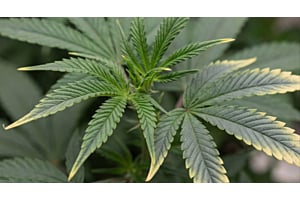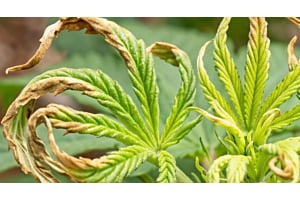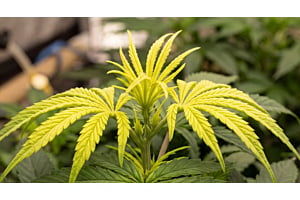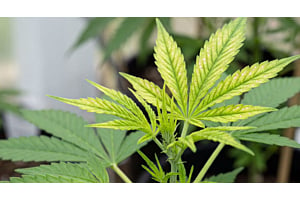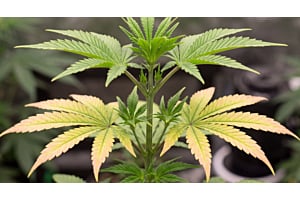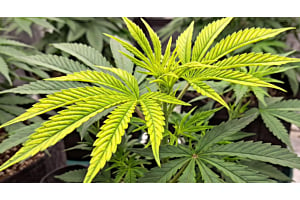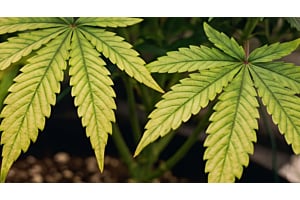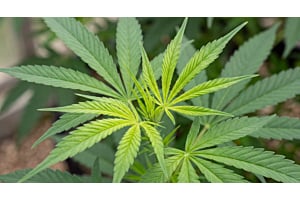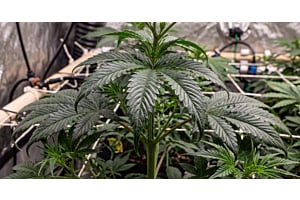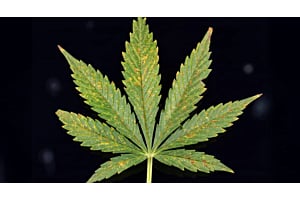
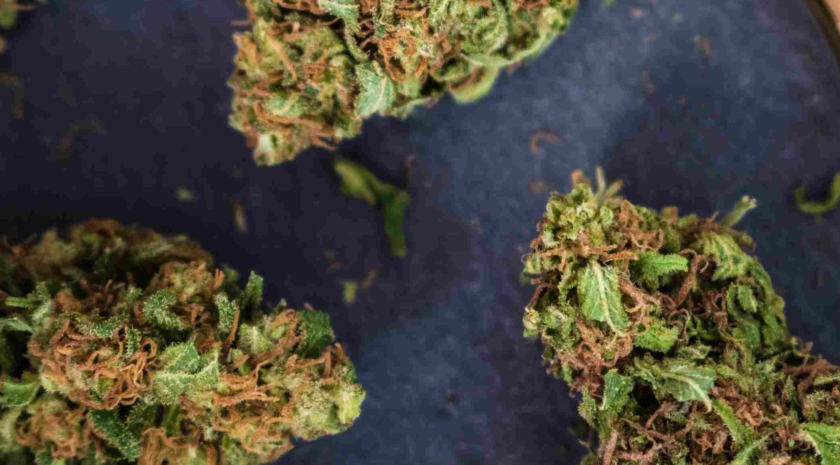
When the trichomes on weed have passed peak maturity, you end up with over ripe buds. The clearest sign of over-ripeness is trichome coloring: shifting from mostly cloudy to mostly amber. This usually comes with dark, shriveled pistils, a fading aroma, and lost potency. While still smokable, over ripe buds rarely deliver the flavors or effects you want.
This guide covers:
- Signs of over-ripe buds vs. unripe and ripe buds
- How over-ripeness shows up indoors vs. outdoors
- Trichome color stages and how much amber is too much
- Why potency, flavor, and effects degrade past peak harvest time
- What to do if you harvested too late and how to avoid it in future
What Are Over-Ripe Buds?
Over-ripe buds are flowers harvested after a weed plant's trichomes have moved past their peak. By that point, resin production has slowed, and bud density has stopped improving. Cannabinoids and terpenes also start to degrade, reducing potency, flavor, aroma, and even effects.
Growing from feminized seeds means every plant in your tent produces buds, and you need to time each harvest right. Wait too long, and beautifully grown buds can go from perfectly ripe to over ripe. The good news? Once you know the signs, you’ll know how to avoid them.
Signs of Over Ripe Cannabis
The signs of over-ripe cannabis show up in the trichomes first, then in the pistils, bud color, texture, and aroma. One sign on its own can mislead you, but several together mean the harvest window has closed. Here's what to look for:
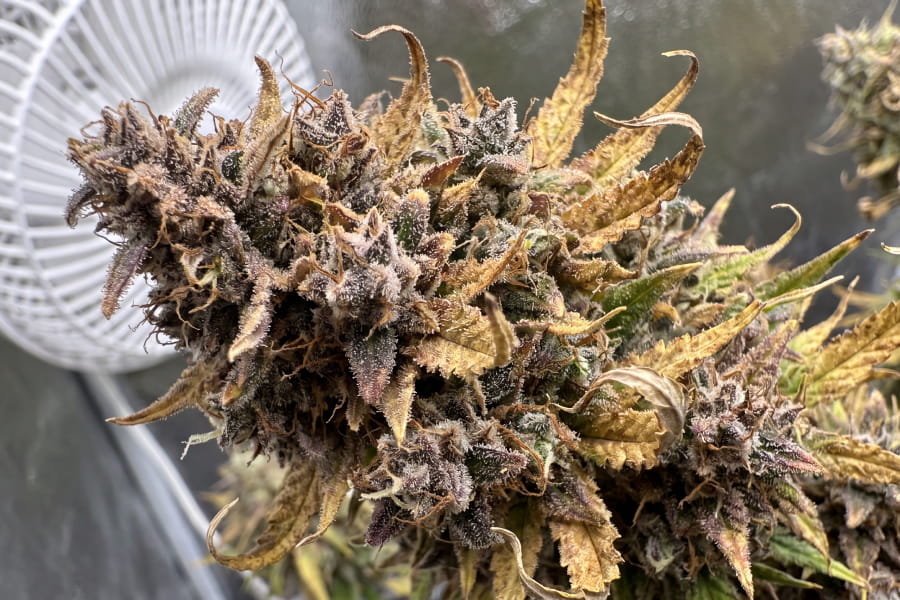
Over Ripe Trichomes Turn Mostly Dark Amber or Brown
A small amount of amber is normal, but when most trichomes turn dark amber or brown, the buds are past peak. Look at the round tip of each trichome (called the head) under magnification. Past the amber stage, they also start to lose their shape. Instead of round, glossy caps, you see duller heads that look shrunken or collapsed.
Pistils on Over-Ripe Buds Go Fully Dark and Shriveled
Almost no white pistils remain anywhere on the marijuana plant, and the hairs have turned deep orange or brown, shriveled tightly against the flower and gone brittle. Treat this as a strong sign the window is closing or has closed, and confirm it with the trichomes.
Calyxes Turn Dull, Yellow, or Brown
Calyxes — the small teardrop-shaped structures that make up the body of the bud — lose their fresh color. Green calyxes fade to yellow or tan, becoming dull and deflated instead of swollen, while purple strains lose their color depth.
Buds Stop Swelling or Begin to Degrade
Over ripe buds may feel overly dry and brittle, or even start to lose density instead of gaining it. Compare photos of the same colas taken a week apart. If nothing has filled out, the plant has likely stopped building buds. You can also give a flower a gentle squeeze: crisp and crumbly mean over-ripe.
Muted or Declining Aroma
Over ripe buds may smell flat, dull, or slightly grassy. Terpenes degrade over time, and the loss of aroma is a common red flag. A useful signal is a drop compared with how the plant smelled a week or two earlier. Gently squeeze a bud and smell your fingers at the same time each day in late flower. If the smell turns musty or sour, that’s a possible sign of rot.
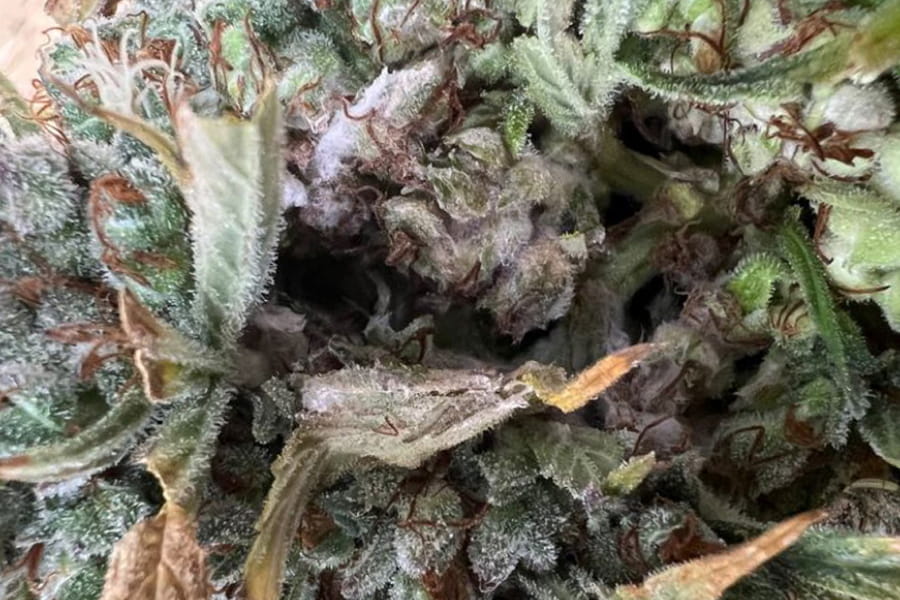
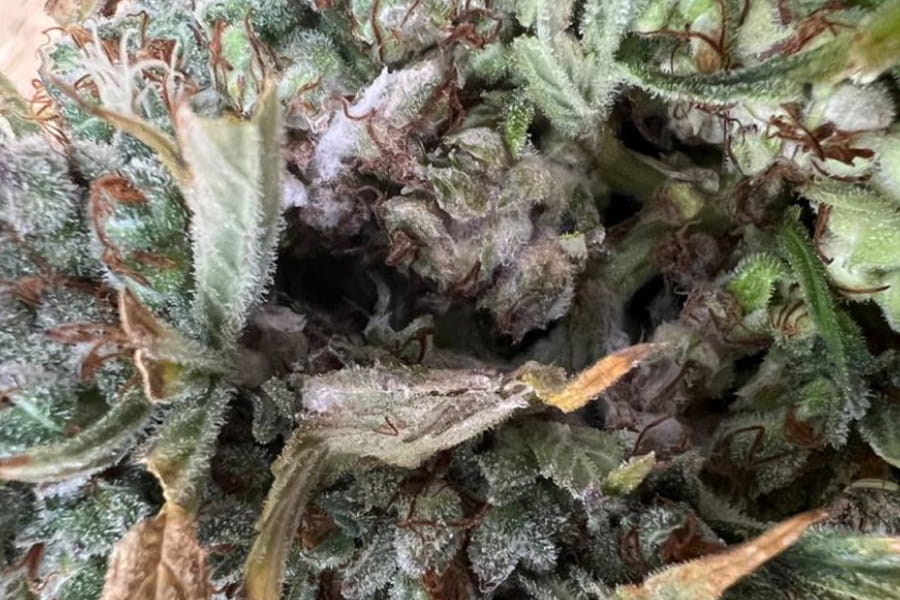
Increased Risk of Bud Rot
Dense colas left on the plant stay exposed to moisture for longer, especially in humid weather. Bud rot usually starts inside the cola near the stem. Watch for a single sugar leaf that has wilted and turned yellow or brown while the rest of the bud looks green. Pull the bud gently open. If you see gray fuzz or brown, mushy tissue inside, that means rot.
Banana-Shaped ‘Nanners’
Cannabis plants left flowering past their window can become hermaphrodites. Pollen sacs and small, banana-shaped structures called ‘nanners’ are early signs of a hermie plant. Nanners are yellow or pale green and poke out from between the pistils, so they're easy to miss. Hermies can seed nearby buds, so act quickly.
More Sedative Effects
Over ripe cannabis often produces heavier, sleepier effects due to cannabinoid degradation. This sign only shows up after harvest, so use it to adjust your next run. Genetics play a big part too. Heavy effects from an indica-leaning strain may be perfectly normal. Compare the same strain harvested at different amber levels if you want a clearer read.
Unripe vs. Ripe vs. Over-Ripe Buds
Unripe, ripe, and over ripe buds differ across five markers: trichomes, pistils, calyxes, feel, and aroma. Trichome color is the most reliable of the five. Use the table below to see which column most of your buds’ markers match.
| Marker | Unripe Buds | Ripe Buds | Over-Ripe Buds |
| Trichomes | Mostly clear | Mostly cloudy with some amber | Mostly dark amber or brown |
| Pistils | Mostly white and upright | Most darkened and curled in | Almost all brown, shriveled and brittle |
| Calyxes | Small and flat | Swollen and stacked | Stalled, dull, or yellowing |
| Feel | Light and loose | Dense and sticky | Dry, brittle, or crumbly |
| Aroma | Mild and green | Loud and complex | Flat, hay-like, or musty |
Ripe and over ripe pistils can look similar in color, so use texture to tell them apart. Ripe pistils have darkened and curled in but still look soft. Over ripe pistils look dry and receded and may crumble when touched.
Run the comparison on the lower and inner buds as well as the top colas. They usually ripen last, so if even those buds match the over ripe column, the whole plant is likely past peak.
Over-Ripe Buds Outdoors vs Indoors
The signs of cannabis over-ripeness are the same indoors and outdoors, but each setting adds its own traps. Outdoor buds are more likely to rot before they look over-ripe. Indoor buds are more likely to appear over-ripe, or unripe, because of light and heat stress.
Over-Ripe Buds Outdoors
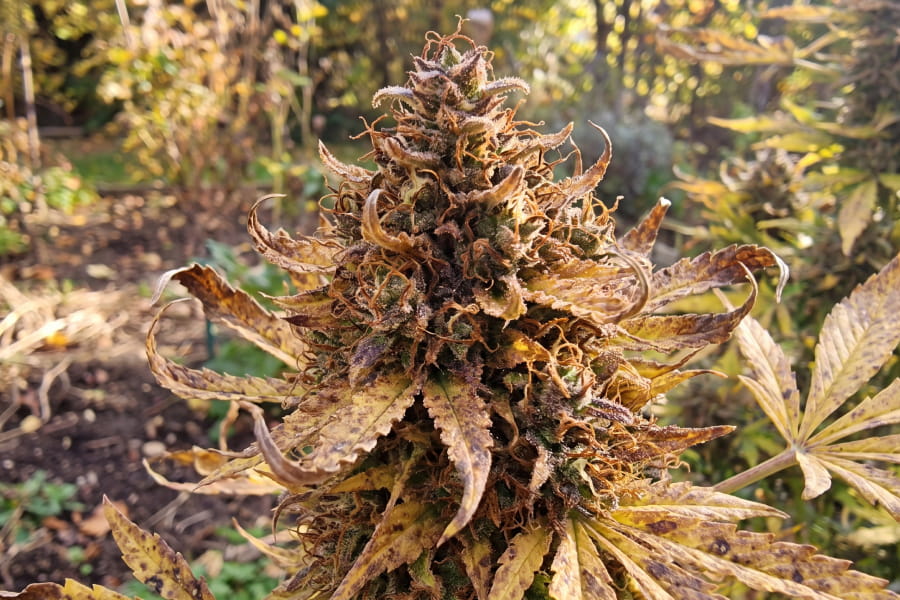
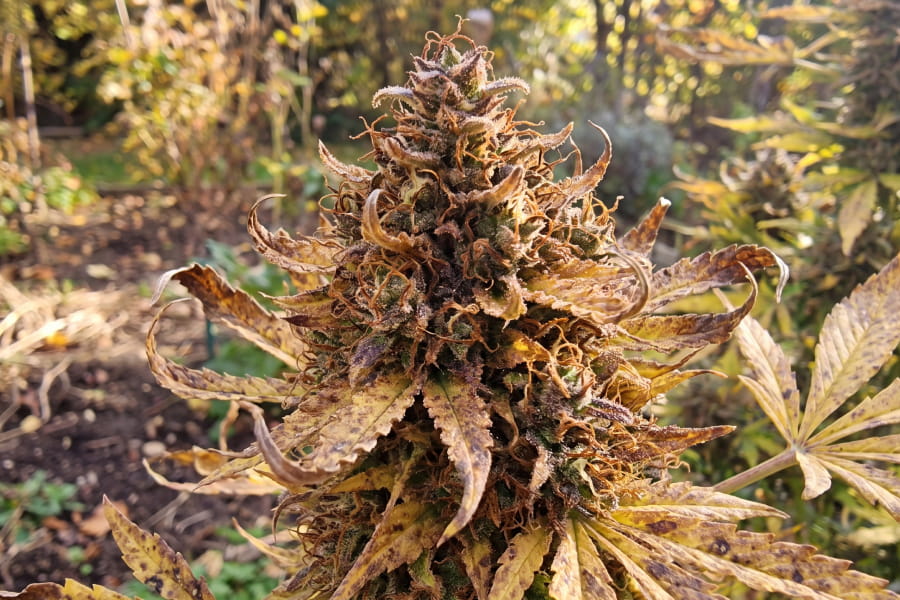
Late-season rain, heavy dew, and cool nights make bud rot the biggest risk when outdoor plants stay out too long. Fall also brings changes that can look like over-ripeness but aren't — like fan leaves yellowing as the season ends, which is normal late-flower fade (indoors or out).
If autumn rain regularly arrives before your cannabis plants are harvest-ready, fast-flowering genetics provide a welcome solution. They finish earlier, shortening the time buds sit exposed at the end of the season.
Over-Ripe Buds Indoors
A bud growing too close to the light can bleach white or yellow at the tips and look burnt or aged while it’s still developing. Heat and light stress can also push out fresh white pistils, or foxtails, on top of buds that are otherwise mature, which makes an over-ripe bud look like it needs more time. Judge ripeness on the older, shaded parts of the bud to be sure.
Clear, Cloudy and Amber Trichomes: What Each Stage Means
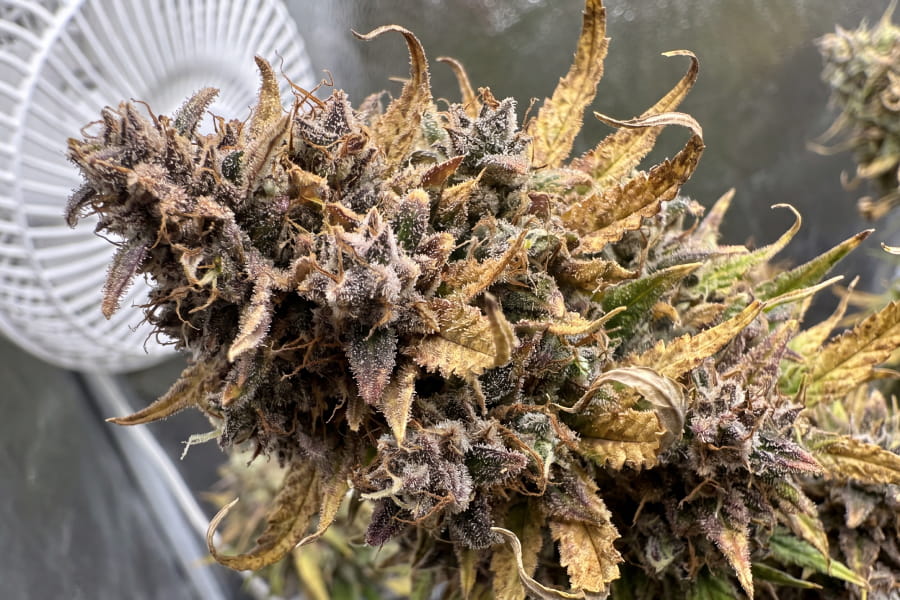
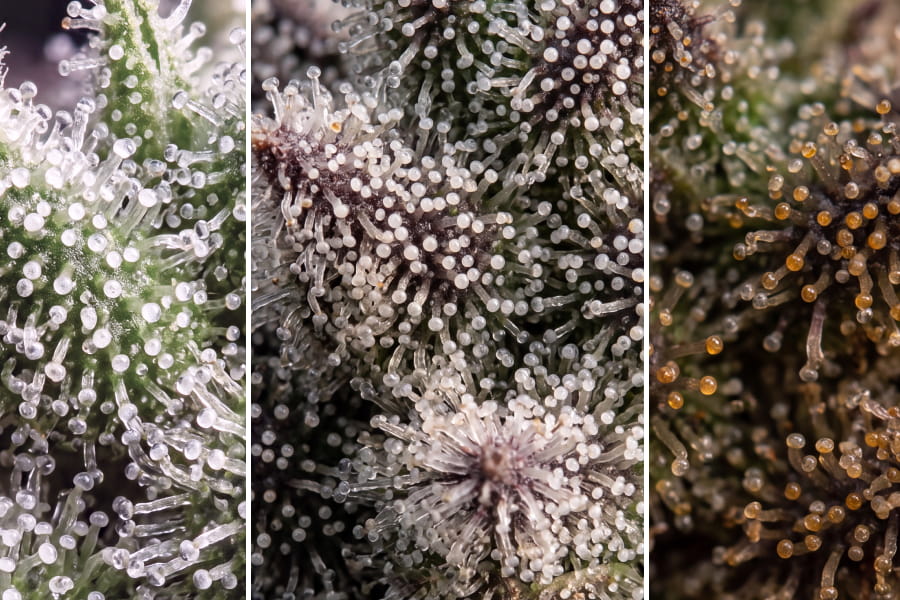
Trichomes are tiny, crystal-like resin glands that coat buds and sugar leaves, where cannabinoids and terpenes are produced. As they mature, their heads move through four color stages: from clear to cloudy to amber and finally brown. Each stage tells you how close a bud is to peak potency, or how far past it.
That’s why trichomes are the most precise ripeness signal you have. Use the table below to match what you see under magnification to a stage.
| Trichome Color Stage | Maturity | Trichome Heads Under Magnification | What It Means |
| Clear | Immature | Glassy and transparent, like tiny glass beads | Still developing. Harvesting now gives light, grassy buds. |
| Cloudy or milky | Mature | Opaque white, like frosted glass | Peak THC for most strains and the main harvest target. |
| Amber | Late | Golden to orange-amber | Degradation has started and effects tend to feel heavier. |
| Dark amber to brown | Over Ripe | Duller, darker heads that look shriveled or misshapen | Past peak, with potency and aroma declining. |
Trichome color is not a universal clock, though. Some long-flowering sativas barely turn amber at all, even when the buds are clearly finished. Trichomes on deeply purple buds can also be harder to read under magnification. Look for other signs of ripeness together with trichome color to get the most accurate read.
How Much Amber is Too Much?
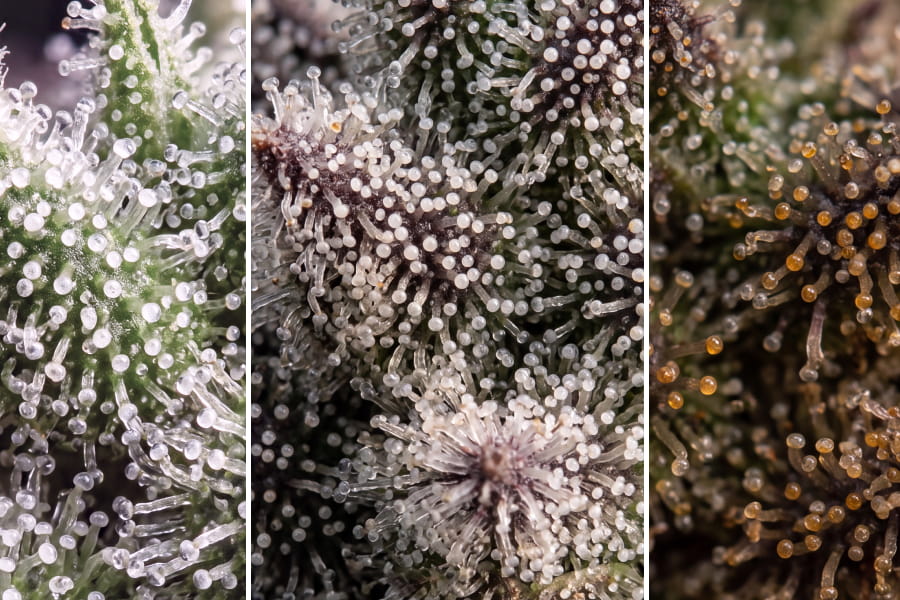
More than 30% amber is too much for most harvest goals. Past that point, buds are on the late side of the harvest window. Growers often report heavier, more sedating effects once half or more of the heads have turned, and a bud that is mostly amber or brown is over-ripe.
There is no lab-set cutoff. These are working ranges growers use, and published targets differ. Some aim for around 15% amber, while others let buds reach 20 to 30% for a heavier effect.
| Amber Trichome Color Percentage | What It Usually Means | What to Do |
| 0%, mostly cloudy | Peak potency with the brightest effect | Harvest now for a more energetic finish, or wait a few days for some amber. |
| Around 10–20% | The range most growers target | Harvest within the next few days. |
| Around 20–30% | The late side of the harvest window | Harvest now, because waiting longer trades potency for heaviness. |
| About 50% or more | A heavy, sedating finish | Harvest immediately unless that effect is your goal. |
| 60%+ amber or brown | Over-ripe | Harvest immediately and check the colas for rot. |
If your trichomes are about 20% amber, you’re still inside the harvest window, but near the later end. For most goals that means harvesting within the next few days. Waiting another week usually adds noticeably more amber.
How Long Does It Take Trichomes to Go From Cloudy to Amber?
There’s no fixed timeline, but growers commonly see a plant move from mostly cloudy to noticeable amber over roughly 1–2 weeks. Genetics, temperature, light intensity, and plant stress all change the pace, so a few plants in the same tent can turn at different speeds.
The earlier shift from clear to cloudy is more gradual and builds through the final few weeks of flower. Once the first amber heads appear, you're in the final stretch. That’s the point to start checking closely and more regularly.
How to Check for the Ripeness of Cannabis
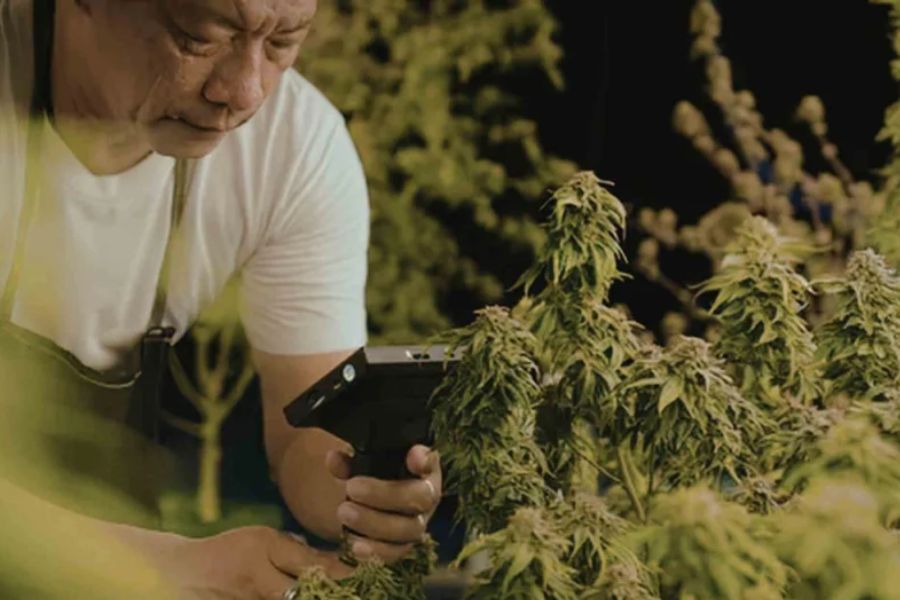
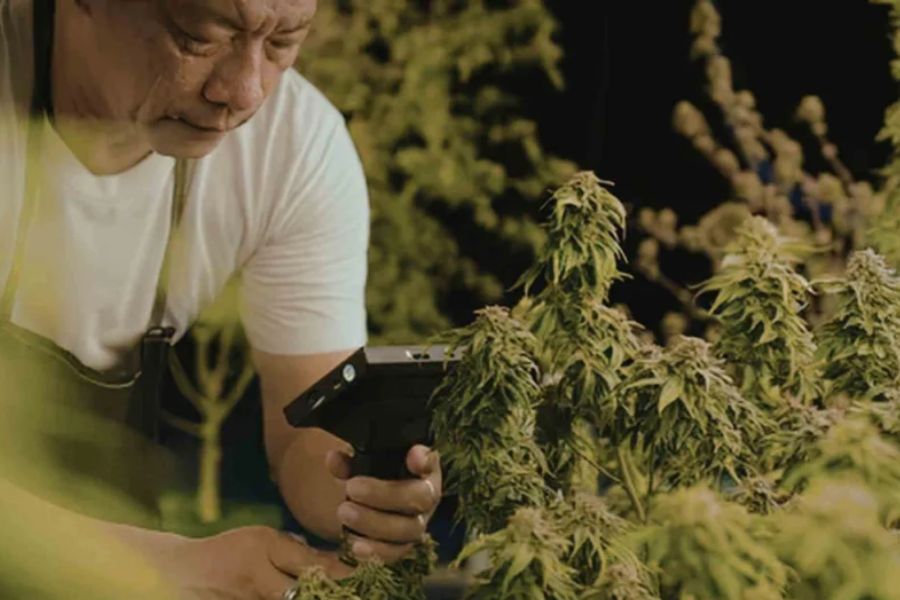
The most reliable ripeness check is a close look at the trichomes on the buds themselves, backed up by the pistils and bud structure. Here’s how to inspect your cannabis plant for harvest-readiness:
- Use magnification: A jeweler's loupe is the cheapest option. A USB or clip-on phone microscope makes the heads easier to read and lets you photograph them for comparison.
- Check the buds, not the sugar leaves: Sugar leaf trichomes often turn amber before the trichomes on the calyxes, so they can make a bud look riper than it is. Judge ripeness on the calyxes of the bud itself.
- Check multiple bud sites: Ripeness varies across the plant. Top colas and outer buds that get the most light often finish before lower and inner buds, so inspect several sites before deciding.
- Read the proportion, not a single head: Look at a patch of calyxes and estimate the overall share of clear, cloudy and amber heads, then compare it with the amber ranges above.
- Photograph and compare: Take photos of the same bud sites every day or two in late flower. Side-by-side pictures show the shift toward amber far more clearly than memory does.
What You're Looking At: Calyxes, Pistils, and Trichomes
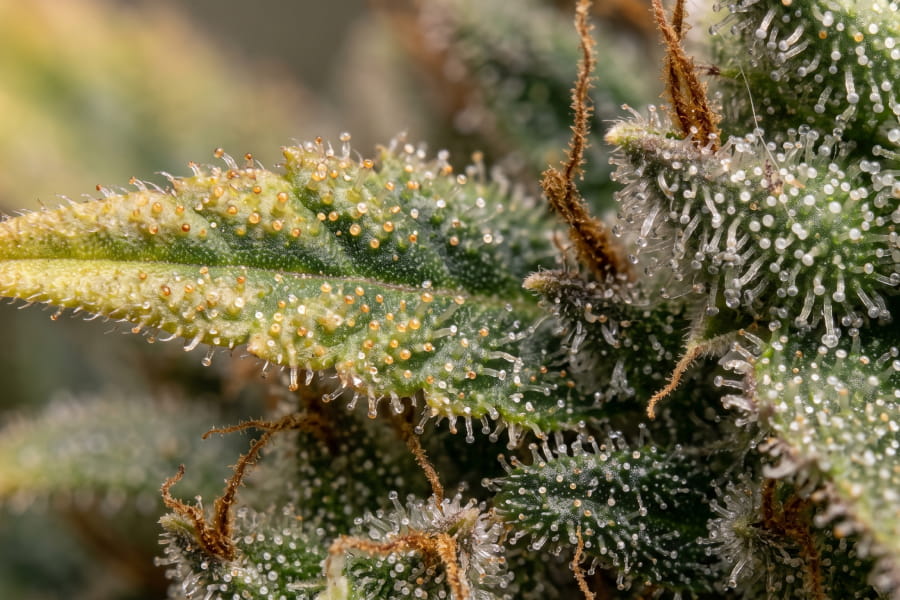
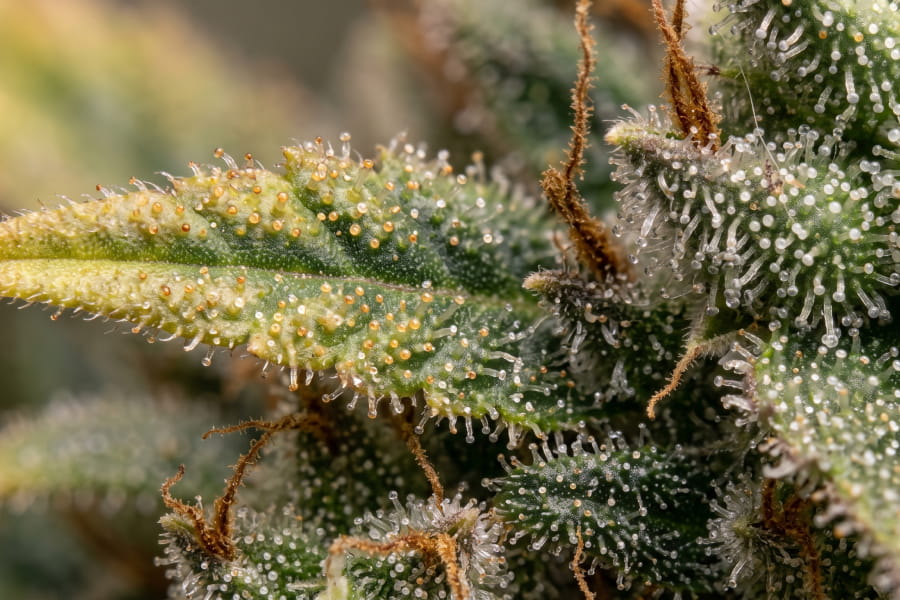
Three parts of the flower tell you how ripe a bud is. Calyxes are the small teardrop-shaped structures that make up the body of the bud. Pistils are the hairs that emerge from them. Trichomes are the resin glands that coat both. Calyxes and pistils give you a rough read from arm's length, while trichomes give you the precise read under magnification.
The word ‘pistils’ usually refers to the thin hairs sticking out of cannabis buds. Technically, those hairs are stigmas, the pollen-catching tips of the pistil. The full pistil also includes the style and ovary, which holds the ovule that becomes a seed if the flower is pollinated. The ovary sits inside a small leaf-like sheath called a bract, which growers usually call the calyx.
Pistils first appear early in the flowering stage, where they emerge in pairs from newly formed calyxes. At this point, they’re usually white, thin, and upright. As flowering progresses, they gradually darken to orange, amber or brown, curl inward, and shrink back toward the bud.
But pistils alone aren't a reliable way to judge harvest timing. Stress, genetics, or environment can cause them to darken earlier than expected, even when the buds are still developing.
How Over-Ripe Buds Affect Potency, Flavor, and Effects
Over ripe cannabis buds are usually less potent, flavorful, and aromatic with heavier effects. As trichomes age, THCA and THC gradually oxidize, and CBN (cannabinol) builds up in their place. CBN is only mildly psychoactive, which is why over ripe buds tend to feel less intense and deliver a more sedative experience.
Flavor and aroma can also fade. The aromatic compounds responsible for giving cannabis its unique taste and smell are delicate. When buds sit too long, those bright, complex notes start to fade. The result is often a flatter flavor and a less exciting aroma compared to buds harvested at their peak.
What to Do If You Harvested Too Late
If you've harvested late, check every bud for mold first, then dry and cure slowly. Most over ripe buds are still usable. You can't get back the potency that's already gone, but careful handling now protects what's left:
- Cut now if the plant is still standing. Once trichomes are mostly amber or brown, the plant won't improve. Every extra day increases degradation and gives bud rot more time to set in.
- Check every cola for rot before drying. Pull dense flowers open and look for gray fuzz or brown, mushy tissue near the stem. Discard any affected buds and keep them out of your drying space — rot can spread to healthy flower.
- Dry slowly and check early. Don't speed things up with heat — it strips more of the terpenes that over ripe buds are already short on. Buds that were dry and brittle on the plant can finish sooner than usual, so start checking them earlier. Once the stems snap rather than bend, the buds are usually ready for jars.
- Cure in sealed jars. A slow cure won't reverse over-ripening, but it smooths out harshness and helps the remaining aroma come through.
- Store your buds somewhere cool, dark, and sealed. Heat, light, and oxygen keep converting THC into CBN after harvest, so good storage stops an over-ripe batch from losing even more.
Don't bother rehydrating. Humidity packs can rescue over-dried buds, but they won't restore potency or terpenes lost to over-ripening.
Can I Still Smoke Over-Ripe Buds?
Yes, you can still smoke over ripe buds as long as they show no mold. They're not dangerous, though they're unlikely to match what the plant could have delivered at peak. Even after a good cure, expect harsher smoke and flatter flavor. Deciding what to do with over-ripe buds depends on how far past peak they went:
- Slightly past peak with some extra amber: Smoke them as normal, but expect a heavier, more relaxing effect than the strain usually gives. Many growers save these buds for evenings.
- Well past peak, dry, and low on aroma: Turn them into dry sift hash or edibles, where flavor matters less than it does in a joint. Dry, brittle buds suit dry sifting especially well, because their trichomes shake loose more easily.
- Showing mold, rot, or a musty smell: Throw out the whole bud. Don't trim off the bad spot and keep the rest, because mold usually runs deeper than what you can see. Don't turn it into hash or edibles either — processing doesn't make moldy flower safe.
How to Avoid Over-Ripe Buds
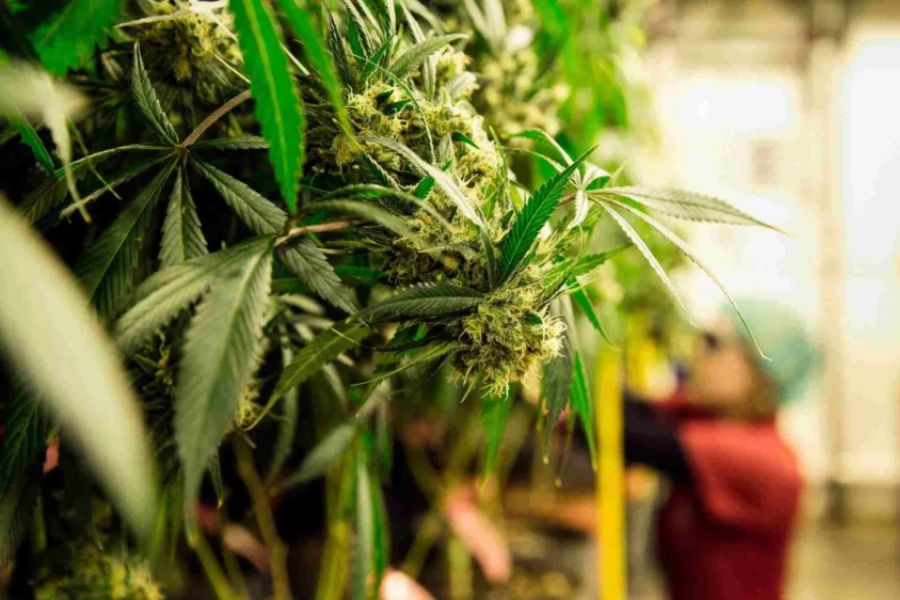
To avoid over-ripe buds, set your amber-trichome target before the final weeks of flower. Then check the trichomes every 1–2 days once amber appears, and harvest as soon as the buds hit that target. Here are some tips to make it easier:
Know Your Harvest Window
The ideal cannabis harvest window starts at the end of the flowering period, which typically takes 8–10 weeks for most photoperiod strains, though fast finishers can be done in 6-8 weeks and slower genetics need 10–12+ weeks. Autoflowers are usually listed by total time from seed instead. Treat the breeder’s flowering time as your cue to start checking trichomes, not as a harvest date.
Harvest in Stages If Needed
Not all buds mature at the same pace. If top colas are ready but lower buds still look underdeveloped, consider harvesting in stages. This approach lets you capture peak ripeness across the entire plant instead of compromising quality.
Don't Keep Pushing "One More Week"
Waiting a little longer for a heavier effect is a reasonable choice once. Pushing the date back again and again is how most over ripe harvests happen. Decide on your amber-trichome target before the final weeks and harvest when the buds reach it.
Keep Notes for Next Time
Record when the trichomes on each strain started turning amber and when you harvested the plant. Every cultivar ripens differently, but firsthand information can provide a more reliable timeline than general estimates.
What Happens If You Harvest Too Early?
Harvesting too early gives you lighter, less aromatic, and less potent buds than the plant could have produced. Under magnification, the trichomes are still mostly clear, which means cannabinoid production isn't finished. It's one of the most common beginner mistakes. Many growers describe the flavor as grassy and the effects as short-lived.
Because trichomes stop developing once you cut the plant, you can’t finish an early harvest in the jar. If you're unsure, waiting a few more days and checking again is usually the smaller risk, as long as you keep an eye out for those amber trichomes — and bud rot.
No More Over-Ripe Buds
Over-ripe buds aren't a disaster, but they're a clear reminder that timing matters. They're usually still smokable, but potency and flavor often take a hit. By checking trichomes on the buds, knowing how your strain ripens, and acting before amber takes over, you can hit the harvest window perfectly.
Ready to put that knowledge to work? Shop premium cannabis seeds and start your next grow at home.