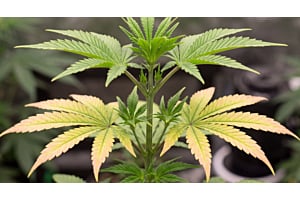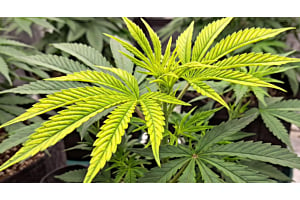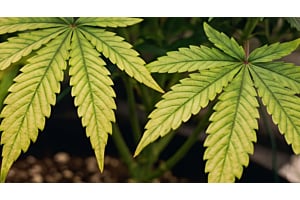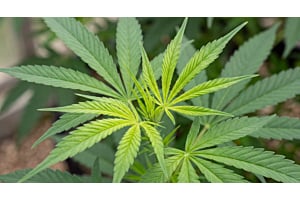
Autoflower light schedules sound complicated, but they're simpler than photoperiod schedules in one big way: you pick one cycle and run it from seed to harvest. No flipping from 18/6 to 12/12, no calendar tracking, no flowering trigger to manage.
This guide breaks down what an autoflower light schedule is, how it differs from a photoperiod cycle, which hours work best at each stage and whether 24 hours of light is worth running. By the end you'll know which schedule fits your grow.
What Is an Autoflower Light Schedule?
An autoflower light schedule sets the daily hours of light and darkness autoflowering cannabis plants receive from seedling to harvest. Autoflowers do not respond to photoperiod changes the way regular and feminized photoperiod plants do, so the schedule stays the same across the seedling, vegetative and flowering stages.
Most home growers use one of four schedules: 24/0, 20/4, 18/6 or 12/12. The chosen schedule affects growth speed, electricity bill and indoor heat output.
How Does an Autoflower Light Cycle Differ From a Photoperiod Schedule?
An autoflower light cycle runs on one continuous schedule from seed to harvest, while a photoperiod schedule shifts from long days to short days to trigger flowering. Photoperiod cannabis plants, which are usually feminized weed seeds, flower when the dark period reaches roughly 12 hours, so growers flip from 18/6 to 12/12 to start bud development.
Autoflowering cannabis plants flower based on age, not daylight, so the autoflowering light cycle never needs a flip. That single fact removes the most common timing mistake new growers make with photoperiod genetics.
What Is the Best Light Schedule for Autoflowers?
The best light schedule for autoflowers balances growth speed, electricity cost and heat output across the plant's life cycle. There is no single answer that fits every grow, because budget, room temperature and equipment limits all influence the choice.
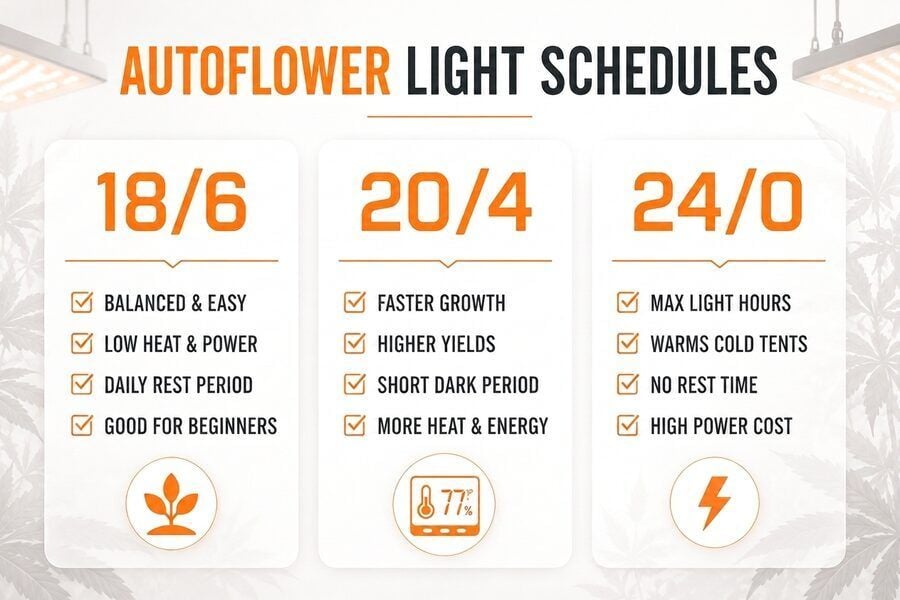
Most growers picking up their first pack from a best cannabis seeds for beginners list default to 18/6 because it balances cost and yield without complicated timing. The four common schedules below each suit a different priority.
- 24/0 — maximum daily light input, highest electricity cost, no dark recovery period
- 20/4 — strong growth with a short recovery window, slightly lower power draw
- 18/6 — the most balanced choice, lower bills, cooler room, still strong yields
- 12/12 — lowest power use, slower growth, used when heat or electricity must be capped
24/0 Light Schedule for Autoflowers
A 24/0 light schedule for autoflowers gives plants 24 hours of light and zero hours of darkness every day. The schedule maximizes photosynthesis time and can push slightly faster early growth in some setups.
The trade-off is full electricity cost and full heat output, with no recovery window for the plant. Autos tolerate the 24/0 light schedule but rarely outperform 18/6 enough to justify the extra power bill.
20/4 Light Schedule for Autoflowers
A 20/4 light schedule for autoflowers gives plants 20 hours of light and 4 hours of darkness daily. The short dark window lets the plant pause respiration and reset, which some growers prefer over continuous light.
Electricity cost drops compared to 24/0 while keeping most of the growth speed. The 20/4 light schedule for autoflowers is a common middle ground for growers who want strong vegetative push without running lights nonstop.
18/6 Light Schedule for Autoflowers
An 18/6 light schedule for autoflowers gives plants 18 hours of light and 6 hours of darkness every day. The schedule is the most popular choice among home growers because it cuts electricity cost by a quarter compared to 24/0 while still producing strong yields, which is why most high yield cannabis seeds labeled as autoflowers list 18/6 on the breeder card.
The 6-hour dark period also lowers room temperature, which matters in warmer indoor setups. Most autoflower breeders recommend 18/6 as the default schedule from seed to harvest.
12/12 Light Schedule for Autoflowers
A 12/12 light schedule for autoflowers gives plants 12 hours of light and 12 hours of darkness daily. The schedule cuts power use in half compared to 24/0 but also slows growth, so yields usually come in lower.
Some outdoor growers use 12/12 when daylight in their region drops to that range, and some indoor growers use it to run autos alongside photoperiod plants in flower. The 12/12 schedule works with autoflowers but is rarely the best schedule for indoor home grows.
Should You Run Autoflowers on 24 Hours of Light?
No, running autoflowers on 24 hours of light is usually not the best choice, even though autoflowering cannabis plants can tolerate it. The plant gets no rest period, which slightly reduces photosynthesis efficiency over time and adds heat and electricity cost to your room.
A short dark window of 4 to 6 hours gives the plant time to convert sugars and reset, and most autoflower growers see better yields per dollar on 18/6 or 20/4. If your electricity is free and your room runs cool, 24/0 is fine. For most home setups it is not.
What Light Schedule Do Autoflower Seedlings Need?
Autoflower seedlings need long daily light hours from the moment the cotyledons open.
The autoflower seedling light schedule typically runs at 18/6, 20/4 or 24/0, matching whatever schedule you plan to use for the full grow. Because autoflowers move into vegetative growth within 2 to 3 weeks of sprout, the seedling stage is not the time to use a low-light schedule.
Keep the light close enough to drive growth but far enough to avoid heat stress on young leaves.
How Does the Autoflower Light Schedule Work Through Each Lifecycle Stage?
The autoflower light schedule stays constant from seedling through harvest because autoflowering genetics trigger flowering by age, not by daylight change. That continuity is the key practical difference between growing autos and growing photoperiods. The three lifecycle sections below show what the schedule looks like at each stage.
- Seedling stage — long daily light hours start at sprout and never decrease
- Vegetative stage — the schedule holds, growth accelerates
- Flowering stage — the schedule still holds, plants build buds on the same hours
Autoflower Light Schedule During the Seedling Stage
The autoflower light schedule during the seedling stage stays at 18 to 24 hours of daily light. Seedlings need consistent light to build their first true leaves and establish a root structure.
Keep grow lights at the manufacturer's recommended distance for young plants and check leaf color and stem strength daily. The autoflower seedling light schedule should match the schedule used through the rest of the grow, so the plant never experiences a schedule shift.
Autoflower Light Schedule During the Vegetative Stage
The autoflower light schedule during the vegetative stage holds the same daily light hours used during the seedling stage. Autoflowers veg for roughly 2 to 4 weeks before pre-flowers appear, and growth speed during this window depends heavily on light intensity, not just light duration.
Keep the same 18/6 or 20/4 schedule running and let the plant push leaves and side branches. Switching schedules mid-veg is unnecessary and can stress autoflowering cannabis plants.
Autoflower Light Schedule During the Flowering Stage
The autoflower light schedule during the flowering stage stays on the same long daily light hours used during vegetative growth. Photoperiod plants need a flip to 12/12 to flower, but autoflowering cannabis plants do not, because their flowering trigger is genetic age rather than daylight change.
Keeping 18/6 or 20/4 through flowering supports bud development without the yield drop a 12/12 flip would cause. Autos finish in 7 to 9 weeks from seed for fast varieties, with slower cultivars running up to 13 or 14 weeks, all under the same schedule used since sprout.
How Does the Autoflower Light Schedule Connect to Seed Type Choice?
The autoflower light schedule shapes the seed type decision because growers who want one fixed schedule from seed to harvest pick autoflower cannabis seeds over photoperiod seeds, which need a schedule flip from 18/6 to 12/12 to trigger flowering.
The autoflower vs feminized seeds comparison shows the full trade-off between the two seed types, including yield ceiling, grow time and beginner friendliness.
Browse marijuana seeds for sale at Seed Supreme to find autoflowering strains that fit your chosen light schedule, where permitted by federal, state and local rules.