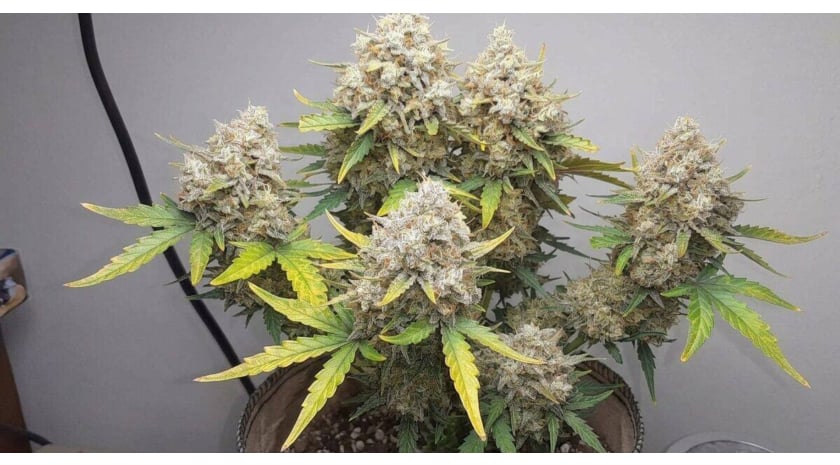
Knowing when to top autoflowers is the difference between a bunch of strong colas and a stalled grow. The right window opens around the third to fifth node, roughly 20-30 days from germination on most autos. Top too early and the plant lacks structure. Top too late and bud production pays the cost.
This guide covers when to top autoflower plants, how to make the cut step by step, how to spot the recovery window and when to skip topping in favor of LST. By the end you will know whether to top your next autoflower grow.
What Does Topping Autoflowers Mean?
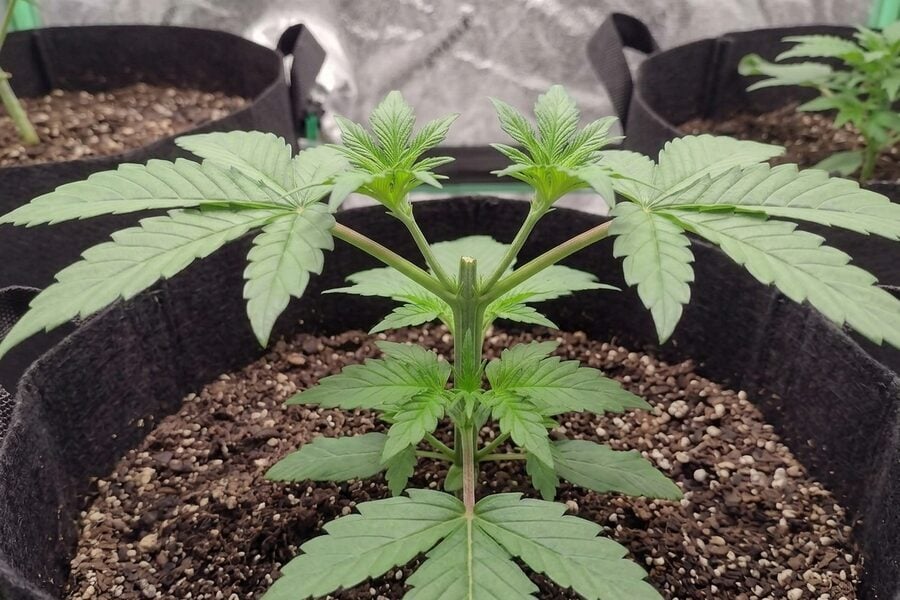
Topping autoflowers means cutting the main stem above a chosen node to split apical dominance into two growing tips. The cut redirects growth hormones from one apex to two. The autoflower cannabis plant then develops two main colas instead of one.
The same technique works on photoperiod plants. The autoflower version compresses every step into a shorter lifecycle. Most growers top with a sterile blade or sharp scissors. The goal is a clean horizontal cut just above the target node.
Can You Top Autoflowers?
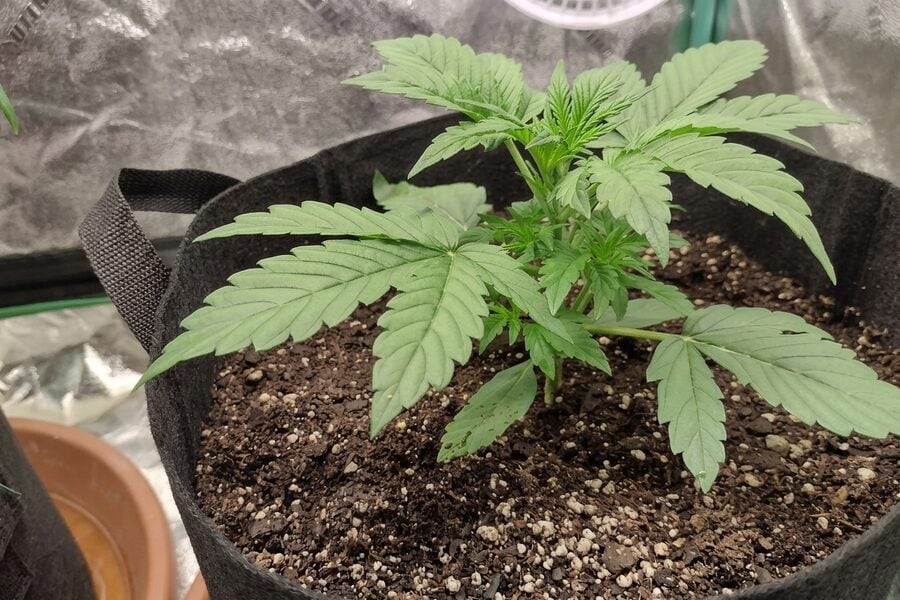
Yes, you can top autoflower cannabis plants, but the timing window is narrow and the recovery cost matters more than it does on photoperiod plants. Autoflower plants run on an age-based clock. They flower when they reach a certain age, not when the lights flip.
That means a topped autoflower has to recover, regrow, and still finish flowering on the original schedule. Photoperiod plants can sit in veg for as long as the grower wants. They absorb a top with no real penalty.
Should You Top Autoflowers?
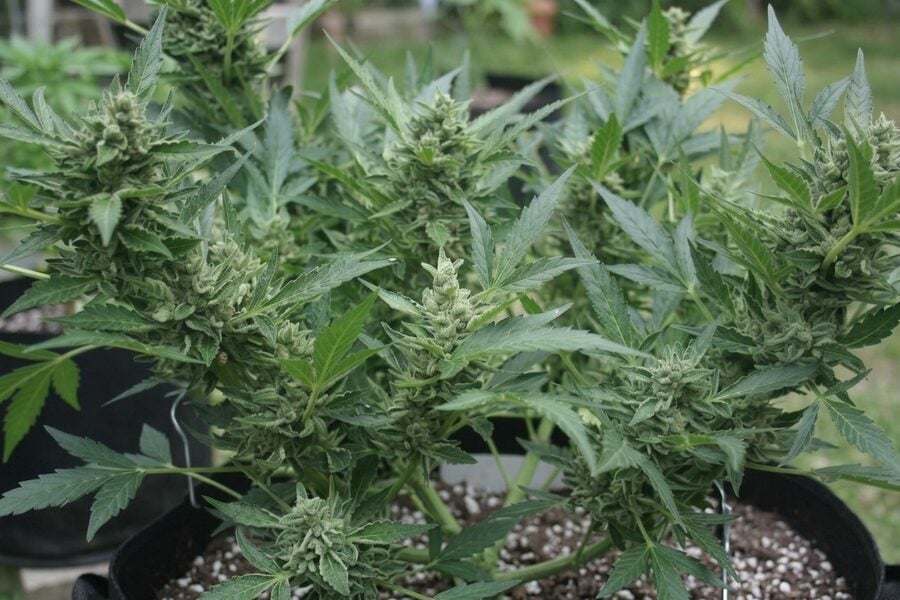
Topping autoflowers rewards growers who hit the timing window and accept some recovery risk. The decision usually comes down to plant vigor, environmental quality and timing confidence. A weak phenotype, a slow environment, or a tight harvest deadline pushes the answer to no. A vigorous plant, a stable indoor setup, and an experienced eye pushes the answer to yes.
This section covers three angles that decide the call:
- Yield benefits: what topping can add when it works.
- Recovery risk: what you give up while the plant heals.
- When to skip: which grows are better off untrained.
Yield Benefits of Topping Autoflower Plants
Topping autoflower plants redistributes growth hormones from one apex to two. The cut can produce two main colas instead of one. This spreads the canopy wider and exposes more bud sites to direct light.
Two colas can lift the final harvest weight when the plant has enough vigor to fill out both tops. This is one reason high-yield cannabis seeds reward growers willing to train their plants. Still, reported yield gains still vary by phenotype, environment, and grower experience.
Recovery Risk for Topped Autoflower Plants
Topped autoflower plants need 3-7 days to recover, up to 10 if the plant is stressed.The fixed autoflower timeline cannot always afford that pause. During recovery, the plant slows vegetative growth and redirects energy to the wound.
A photoperiod plant can sit in veg an extra week with no consequence. An autoflower keeps moving toward pre-flower whether the recovery is done or not. The risk is real. A slow recovery on a fast-flowering auto can mean a smaller final plant, not a bigger one.
When to Skip Topping Autoflowers
Skip topping if you’re working with slow-growing phenotypes, short-cycle strains, and first-time autoflower grows. A plant that already looks behind schedule will not benefit from added stress.
Short-cycle autoflowers (7-9 weeks seed-to-harvest) leave almost no margin for even a short recovery dip. First-time growers usually do better with the best cannabis seeds for beginners and no training at all before they attempt a top.
When to Top Autoflower Plants
Autoflower plants reach topping readiness between the third and fifth node, usually 20-30 days from germination. The window opens when the plant has built enough structure to survive the cut. The window closes when pre-flowers start appearing at the nodes.
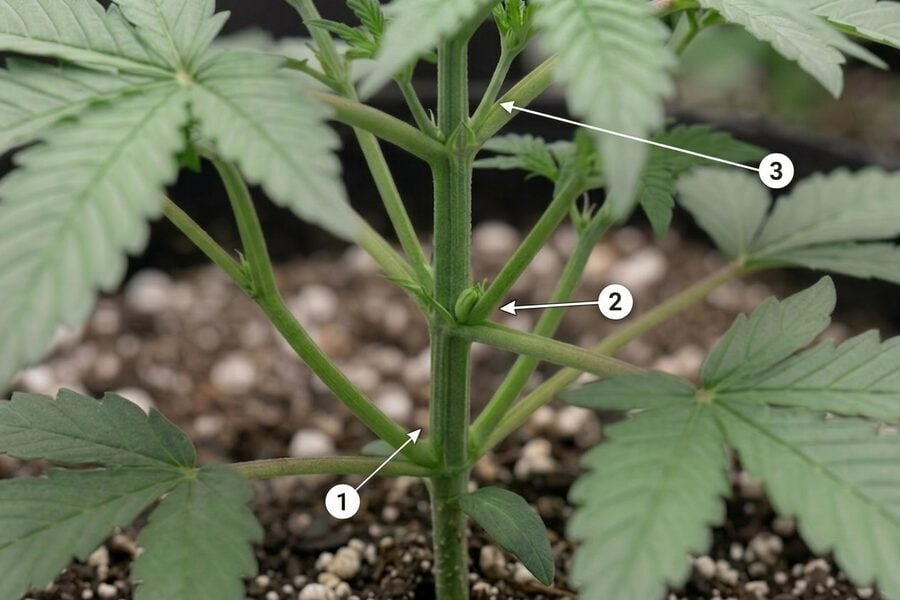
Topping after the pre-flower stage is a mistake. The plant has already committed to flowering and recovery time will come out of bud production. Use both signals together. Node count tells you the plant has the structure. Day count tells you the lifecycle still has room.
Node-Count Signal for Topping Autoflowers
The node count tells the cultivator when the autoflower plant has enough structure to survive topping. Count node pairs from the cotyledons (the round first leaves) upward. Each pair of true leaves is one node.
The fifth node is the safest target on most autoflowers. The plant has four lower nodes left to support recovery. Topping above the third node is possible on vigorous plants. It leaves less backup structure if recovery stalls.
Day-Count Signal for Topping Autoflowers
Day count supports node count as a backup signal for topping autoflower plants. Most autoflowers reach the third to fifth node between day 20 and day 30 from germination. The exact timing depends on phenotype and environment.
If the plant is still under 20 days from germination, wait. Even if the node count looks ready, the root system may not be developed enough to support recovery. If the plant is past 30 days and pre-flowers are showing, the topping window has closed.
How to Top Autoflowers Step-by-Step
Topping an autoflower cannabis plant takes a sterile blade, a target node, and a clean horizontal cut above the fifth node. The cut itself is small but the technique matters. A ragged cut, a dirty blade, or the wrong node costs the plant more recovery time than the technique is worth.
Here’s how to top your autoflowering plant in five steps:
- Confirm the timing window: the plant has -5 nodes, it’s 20-30 days from germination, and pre-flowers have not appeared yet.
- Sterilize the blade: wipe a sharp blade or pruning scissors with isopropyl alcohol so the cut does not carry bacteria into the wound.
- Identify the target node: find the fifth node up from the cotyledons and locate the small new growth tip above it.
- Make the cut: slice horizontally just above the fifth node, removing the new growth tip cleanly without crushing the stem.
- Watch for recovery signs: the two side shoots at the fifth node start stretching within 3-5 days, and full recovery shows by day 7-10.
If the plant looks stressed past day 10 (drooping, slow growth, yellowing), recovery is stalling and the grow may not recover the topping cost. That outcome is more common on weak phenotypes and underpowered lights.
LST as a Lower-Risk Alternative to Topping Autoflowers
Low-stress training (LST) bends branches sideways to expose more bud sites without cutting tissue. The grower uses soft plant ties to pull the main stem and side branches into a flat horizontal canopy. Every bud site gets direct light exposure.
LST adds no recovery time because nothing gets cut. The plant keeps moving through its lifecycle without losing days to a wound. For autoflowers, LST is often the better default.
The earlier LST is introduced, the easier it is to shape plant structure without causing stress, since young branches are more flexible and respond quickly to gentle repositioning before they harden into fixed growth patterns. It gets the canopy benefit of topping without the recovery risk.
Many growers run LST on every plant and reserve topping for the most vigorous autoflower cannabis seeds in stable environments.
How Topping Connects to Autoflower Seed Choice
Autoflower seed choice shapes whether topping makes sense for a given grow. Vigorous autoflower seed stock gives the plant enough early structure to survive a top. Weaker seed stock or short-cycle autos rarely have the headroom for the technique.
Growers who want more training flexibility often weigh autoflower vs feminized seeds before they commit to a grow style. Feminized weed seeds run on a light cycle. The plant stays in veg until the grower flips the lights, so topping has unlimited recovery time.
Seed Supreme’s marijuana seeds for sale cover autoflower, feminized, and regular options for eligible adult buyers where permitted by federal, state and local rules.
Frequently Asked Questions About Topping Autoflowers
Still have a question or two about topping autoflowers? Here are some answers to the most common queries.
Can You Top an Autoflower Twice?
No, not under normal conditions. A second top adds another 3-7 day recovery on top of the first one. That usually costs more than the extra colas can repay on an autoflower's fixed timeline. Growers with very vigorous phenotypes and long-cycle autos sometimes attempt it, but the result is unpredictable.
What If I Top My Autoflower Too Late?
Topping after pre-flower appears costs the plant bud production. The autoflower has already committed to flowering. Recovery energy comes out of the bud sites instead of new vegetative growth. If pre-flowers are showing, switch to LST and bend the existing branches sideways for more canopy spread.
Does Topping Reduce Autoflower Yield?
Yes, topping reduces yield when timing, phenotype or environment work against it. A late top, a weak plant or a low-power room can make the topped plant smaller than an untrained one. A vigorous plant topped between node 3 and node 5 in a stable environment usually finishes equal to or larger than its untopped sibling.
Is Topping the Same as FIM on Autoflowers?
No, topping and FIM are different cuts. Topping removes the entire new growth tip above a node, producing two colas from the next node down. FIM (short for "F**k, I Missed") removes about 75-80% of the tip, leaving a small piece behind. The result can be four colas instead of two. FIM is generally lower-stress than a clean top because less tissue is removed, but the outcome is less predictable.