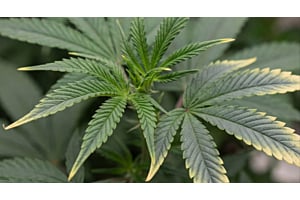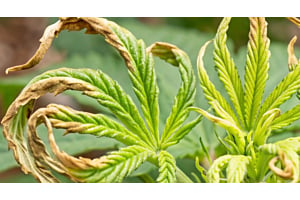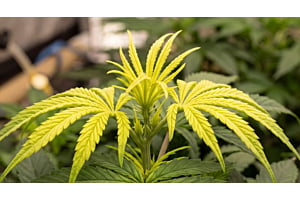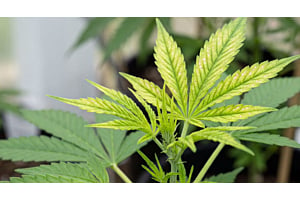
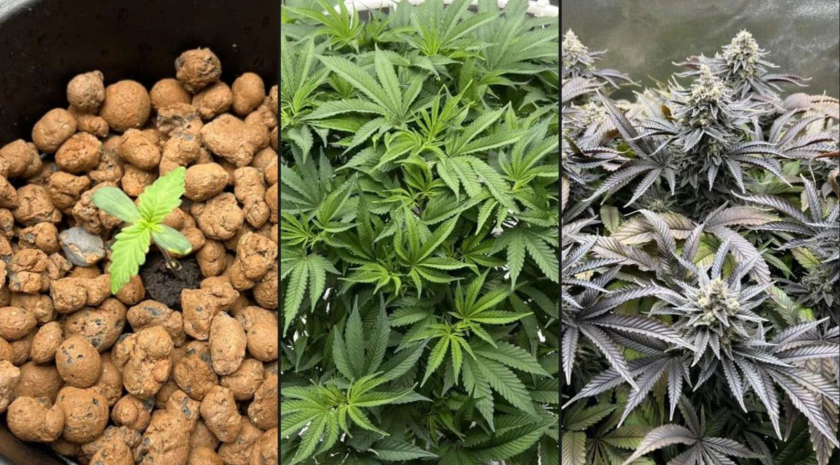
Every new grower wants to know when harvest day will come, but how long does it take to grow weed from seeds, really? A typical indoor grow takes about 3–5 months from seed to harvest. Outdoors, it takes around 5–7 months; autoflower seeds need 2.5–3 months indoors or out.
Where your own grow falls depends on a few choices: autoflower or photoperiod, indica- or sativa-leaning genetics, indoors or outdoors, and how long you keep the plant in veg. Harvest day is not the finish line either, because drying and curing add a few more weeks before your buds are ready to smoke.
Below, you'll find how long each growth stage takes, how autoflowers and photoperiods compare, how the outdoor season sets the calendar, what actually speeds a grow up, and how to tell whether your plant is on schedule.
How Long Does It Take to Grow Weed From Seed to Harvest?
Most indoor photoperiod grows take 3 to 5 months from seed to harvest. Outdoor photoperiod plants need around 5 to 7 months. Autoflowers finish fastest at 2.5 to 3 months, whether they’re grown indoors or out. Drying takes around 1 to 2 weeks and curing adds another 2 to 4+ weeks before the buds are ready to smoke.
| Route | Seed to harvest | Drying and curing | Harvests per year |
| Autoflower, indoors or outdoors | 2.5–3 months | Roughly 3–6 weeks | Several, since a new cycle can start right after harvest |
| Photoperiod, indoors | 3–5 months | Roughly 3–6 weeks | Several, since you decide when the next cycle starts |
| Photoperiod, outdoors | 5–7 months | Roughly 3–6 weeks | Usually one, since flowering follows the season |
The weed seeds you buy carry two of the biggest variables, because they set both whether the plant is an autoflower or a photoperiod and how long it flowers, with sativa-leaning varieties tending to run longer in flower than indica-leaning ones. Once the seed, the setting and the veg length are settled, the calendar becomes fairly predictable.
Cannabis Growth Stages and How Long Each One Takes
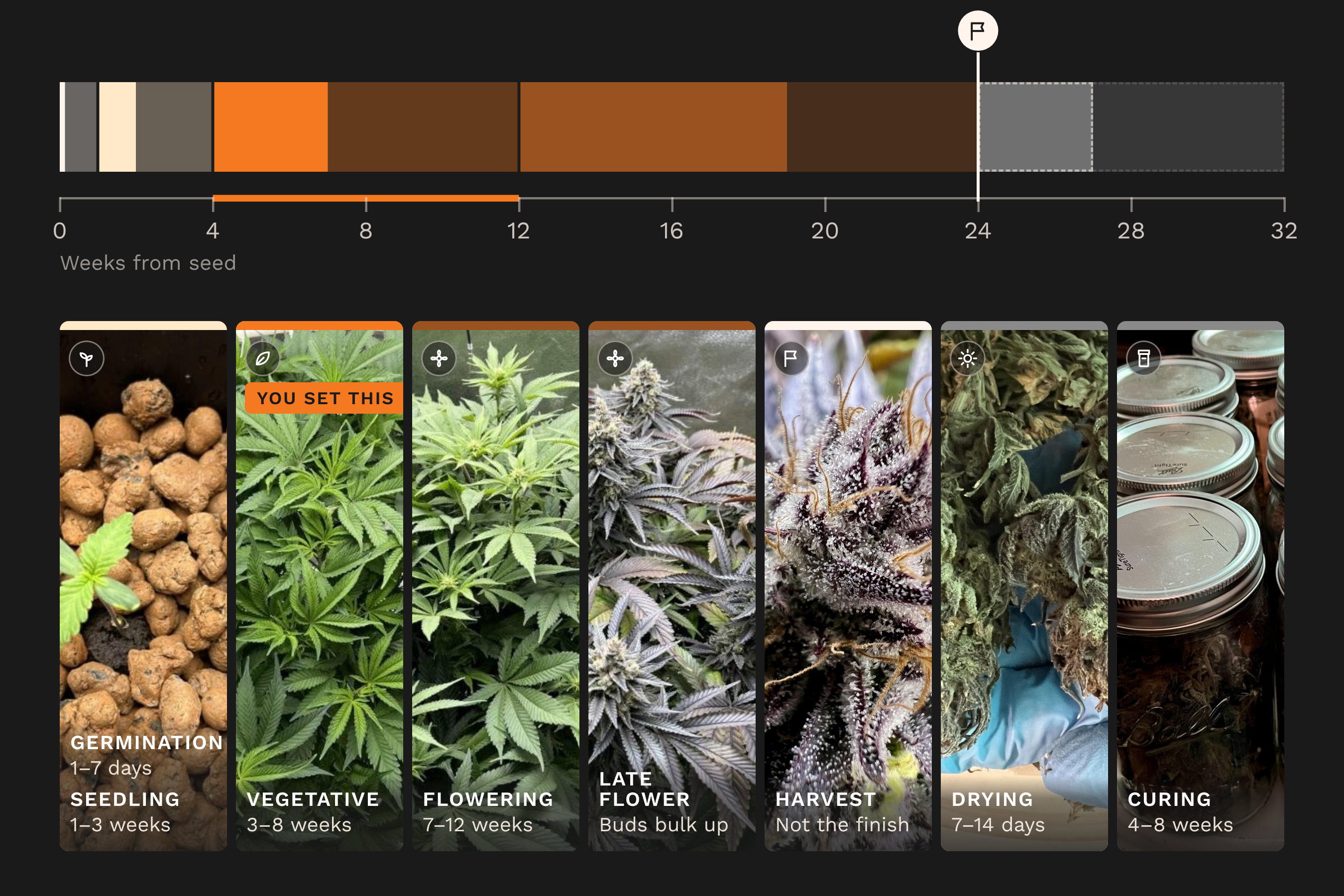
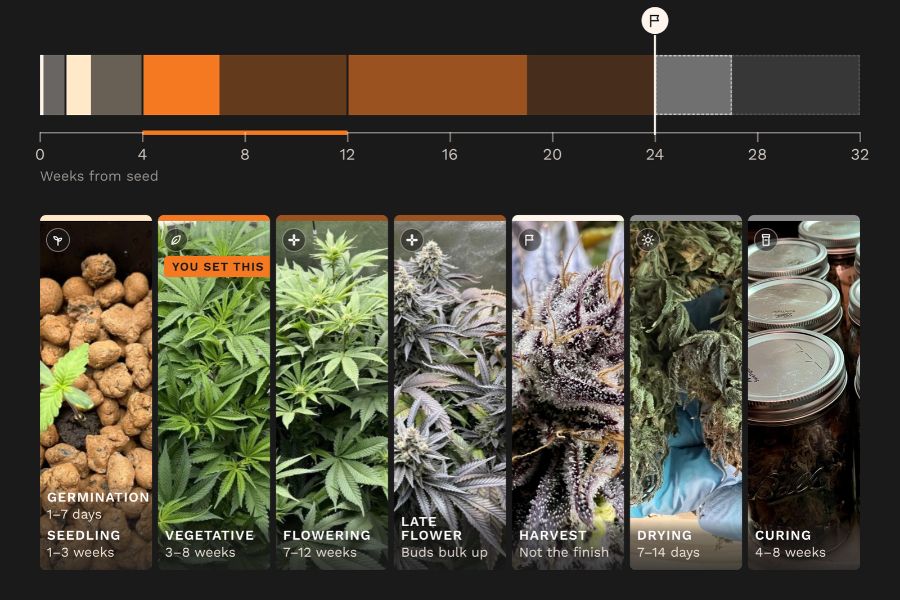
Horizontal timeline bar showing cannabis germination, seedling, vegetative and flowering stages drawn to scale in weeks, with drying and curing added after harvest.
A grow from seed runs through four cannabis growth stages in order: germination, the seedling stage, vegetative growth and flowering. For a photoperiod plant, only one of them has a length you actually choose — if you’re growing indoors.
Each stage ends on an observable event rather than a date, which is why the same four ranges can add up to 12 weeks for one grower and 24 for another.
| Stage | Typical length | What sets the length |
| Germination | 1–7 days | Seed age and conditions |
| Seedling | 1–3 weeks | The plant |
| Vegetative | 3–8 weeks indoors | You, for indoor photoperiods |
| Flowering | 8–10 weeks | Genetics |
| Total, indoor photoperiod | About 12–22 weeks | Mostly veg length and variety |
Germination: 1–7 Days
Germination commonly takes 1 to 7 days, and sometimes stretches to 10. Whether you plant a weed seed straight into moist medium or soak it in water first, day zero is the moment it goes in. The taproot appears first, and the stage ends once the seedling breaks the surface.
Older or badly stored seed commonly sits at the slow end of the range, so a seed that takes 10 days is not automatically a dead one. Because it is measured in days rather than weeks, germination barely registers against the total.
Seedling Stage: 1–3 Weeks
The seedling stage runs 1 to 3 weeks, most commonly 2 to 3. It ends when the first true serrated fan leaves are up and working and the roots have enough reach to support faster growth.
From above, this is the slowest-looking part of the whole grow. A seedling can add very little visible height while most of the work happens below the surface, so it is easy to assume something has gone wrong if you were expecting bulk in the first couple of weeks.
Once new nodes start stacking noticeably quicker and leaves come in with more fingers, the plant is in veg.
Vegetative Stage: 3–8 Weeks (The Part You Control Indoors)
Indoors, a photoperiod plant typically stays in veg for 3 to 8 weeks, and unlike every other stage, you decide when it ends.
Veg continues for as long as the plant stays on a long-day light schedule and ends when that changes. Indoors, you flip to 12/12, giving the plant around 12 hours of uninterrupted darkness. Outdoors, shortening days do it for you, so the date largely belongs to the calendar.
Nothing in the plant itself forces the switch, which means the same variety can be flipped after 3 weeks in veg or held there for 3 months. Autoflowers are the exception, since they run on age rather than light, and leaving the lights on longer does not extend their veg.
Flowering Stage: 8–10 Weeks
Once flowering is triggered, most weed plants take 8 to 10 weeks to finish budding and reach harvest. Genetics set most of that number, so the variety you grow is the best predictor of how long your plants will flower.
| Genetics | Faster end | Typical | Slower end |
| Indica-leaning | 6–8 weeks | 8–10 weeks | 10 weeks |
| Balanced hybrid | 6–8 weeks | 8–10 weeks | 10 weeks |
| Sativa-leaning | 8–10 weeks | 10–12 weeks | 12–14 weeks |
| Autoflower (seed to harvest) | 8 weeks | 8–10 weeks | 12–14 weeks |
The first stretch of flower does not look much like budding. Bud sites form and pistils appear while the plant keeps growing taller, and plants can gain a lot of height in the first 2 to 3 weeks after the flip. Sativa-leaning varieties usually stretch more than indica-leaning ones, so flip before plants reach the height you actually want, especially with longer-flowering genetics.
Breeders usually count flowering time from the flip to harvest, which is why it appears on seed listings. Two plants flipped on the same day can finish weeks apart purely because one was bred to run 8 weeks and the other 12. Count forward from your flip date using the listed flowering time and you have a workable finish date. Treat that date as an estimate rather than a deadline, though, and let the buds’ ripeness confirm when to harvest.
Autoflowers vs Photoperiods: Two Completely Different Clocks
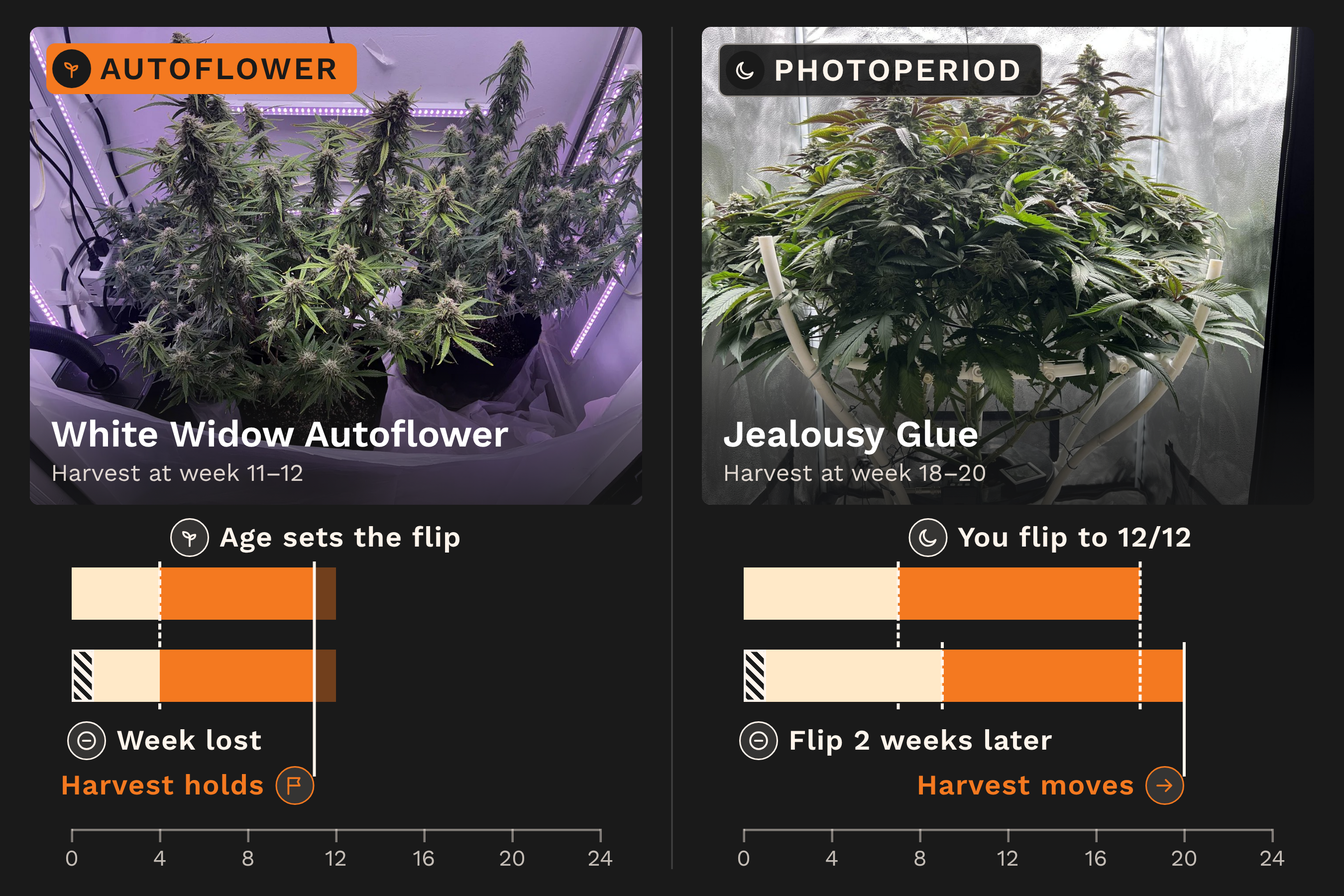
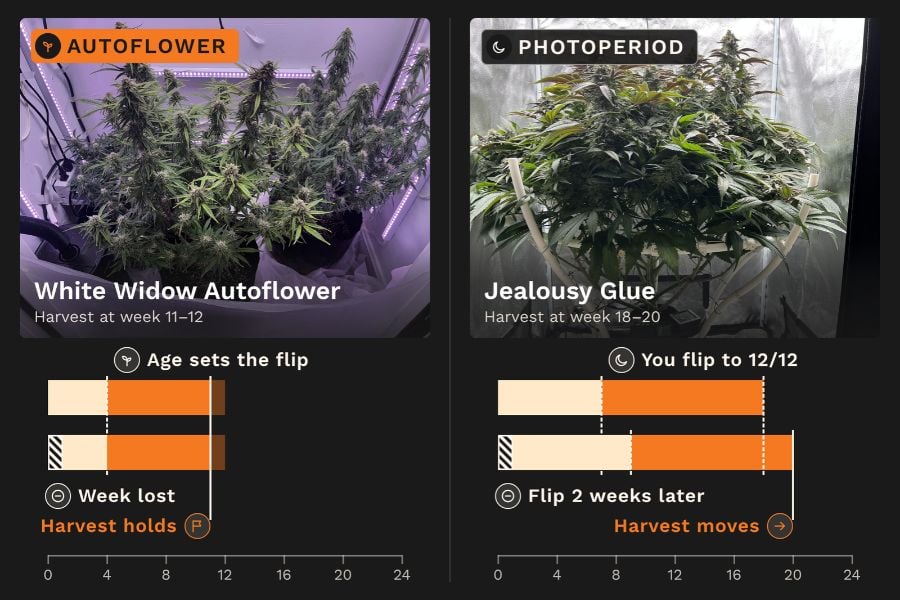
Autoflowers begin flowering automatically as they age, while photoperiod plants rely on the grower changing the light schedule to trigger flowering.
An autoflower starts flowering at a set age, wherever it’s grown. A photoperiod flowers only once the nights get long enough. Indoors, that happens when you switch the lights to 12/12. Outdoors, it happens when the days shorten in late summer.
This is why autoflower seed descriptions usually list the whole grow timeline from seed to harvest, while photoperiod descriptions quote flowering time only. The bigger difference is what each clock does when something goes wrong.
An autoflower's veg cannot be extended by changing the light schedule, so a week lost early is a week that cannot be made up later. An indoor photoperiod grow can absorb the same setback by staying in veg longer and flipping two weeks later than planned.
| Route | What you gain | What you give up |
| Autoflower, indoors or outdoors | A short total with no light schedule to manage. In a long, warm season, the short cycle can allow two or three outdoor harvests in one year. | The ability to extend veg, and the chance to recover weeks lost to an early setback. |
| Photoperiod, indoors | Control over when veg ends, which means control over the total and room to absorb problems. | Months rather than weeks, and a light schedule that has to be managed properly. |
| Photoperiod, outdoors | A long natural veg that can produce big plants, with no lights to manage. | Usually one harvest a year, on a date the season sets rather than you. |
If speed matters most, an autoflower is the quicker route indoors or out, with the caveat that early stress costs more on that clock. A photoperiod is not always the slow option, though.
Indoors, a fast indica-leaning variety flipped after a short veg can go from seed to harvest in around 3 months, not far off a slower autoflower. Outdoors, photoperiods are tied to the season, so they will always take longer.
Growing Indoors vs Outdoors: When the Calendar Makes the Decision for You
Indoors, you set the clock and can start whenever you like. Outdoors, the season sets it, and a photoperiod plant started in spring generally comes down in early to mid fall, whether or not that suits your plans.
Outdoor Timing in the Northern Hemisphere
In the Northern Hemisphere, the rough sequence is a spring start somewhere between March and May depending on latitude and climate, veg through the long days of summer, flowering as daylight shortens, and harvest around September to November.
The total typically runs 5 to 7 months. The farther you are from the equator, the shorter that window gets and the harder the fall deadline becomes.
Outdoor grows look longer on paper mainly because the plant goes in early and keeps vegetating while the days are long. The extra months are veg time set by the season, not slower development.
How Many Harvests per Year
Under natural light, with no light deprivation or greenhouse manipulation, an outdoor photoperiod grow generally gives one main harvest a year. Autoflowers are less bound to that, which is why a long season can fit more than one run.
Indoors, a new cycle can start as soon as the last one comes down, so annual output depends on how many cycles you run rather than on the length of any single grow.
What Makes a Grow Take Longer, and What Speeds It Up?
Only a handful of things meaningfully change how long a grow takes: how long the plant is vegged, whether it starts from seed or a clone, the flowering time of the variety, and how many setbacks it has to recover from. Almost everything else changes how the plant grows without changing the schedule.
- Veg length. The biggest adjustable block by far for indoor growers. Flipping at 3 weeks instead of 8 takes more than a month off the total, and the trade is plant size and what that size would have produced.
- Seed or clone. A healthy rooted clone skips germination and the seedling stage, commonly saving around 2 to 4 weeks. The catch is access, because a clone has to come from an established plant.
- Your chosen variety. Stated flowering times differ by weeks from one variety to the next, so if speed matters, compare flowering times before you buy.
- 12/12 from seed. Running twelve hours of darkness from the start removes most of the vegetative period and can pull the total in considerably, at the cost of plant size. It is a niche approach that mainly suits tight vertical space or a grow where speed matters more than yield.
- Setbacks. Stress, pest pressure, nutrient problems, transplant shock and light leaks can each add days to weeks of recovery, depending on severity. They are the only item here that adds time and gives nothing back.
Some of the timeline does not move at all. Germination and seedling establishment take the time they take, and drying still needs its week or two. More light, a bigger pot, hydro or training can change how a plant grows, but none of them shorten a genetic flowering time or a proper dry.
How to Tell Whether Your Plant Is on Schedule
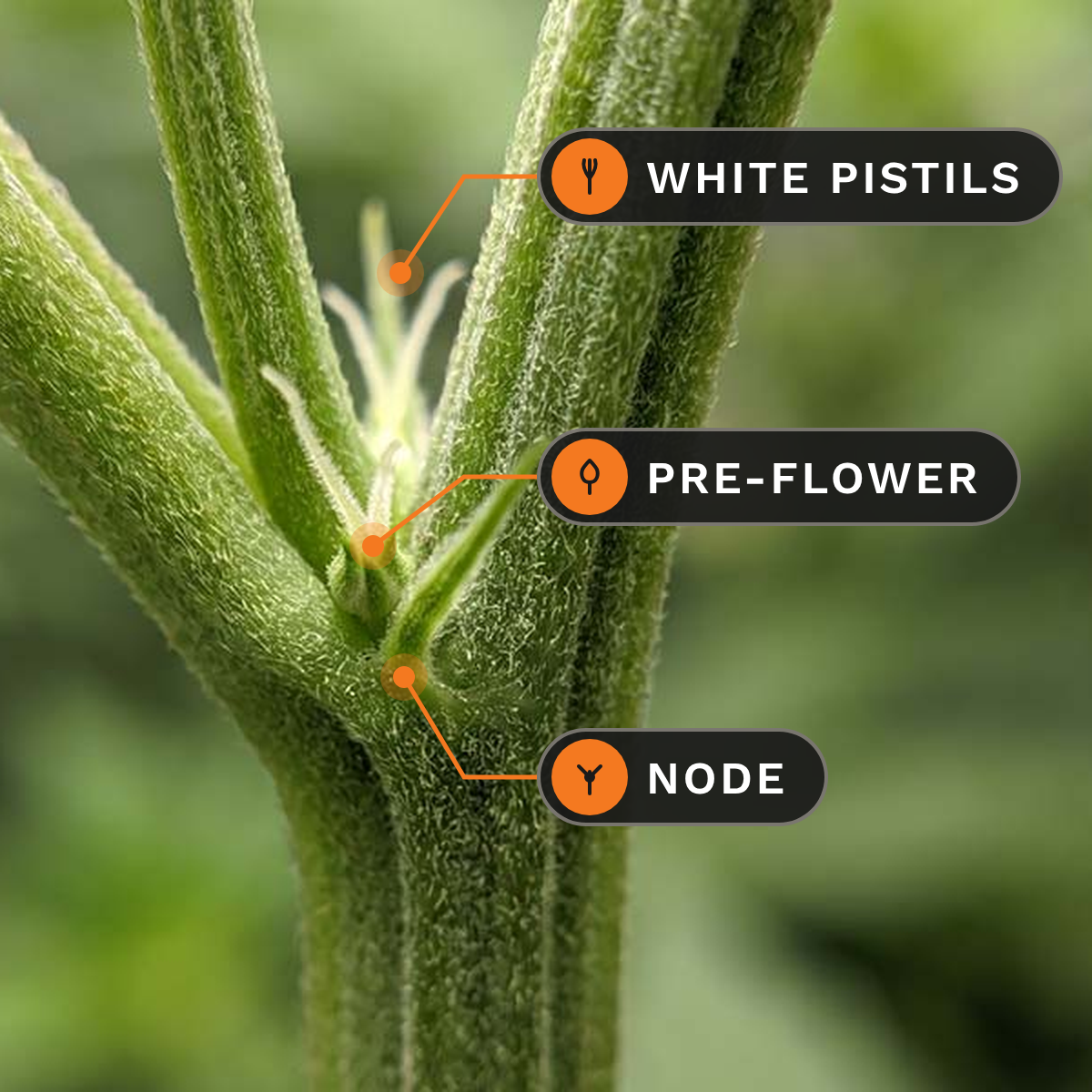
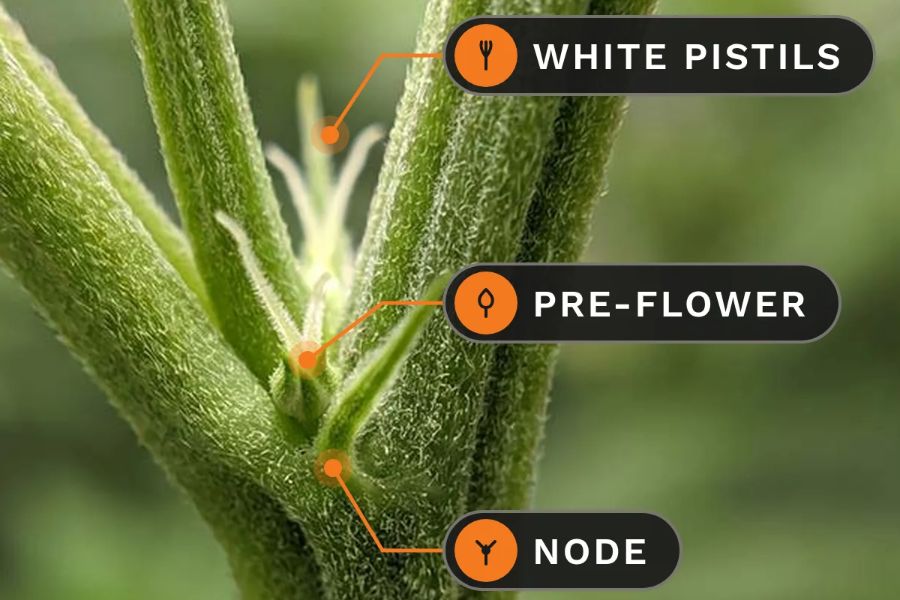
Early white pistils emerging at a cannabis plant node signal the start of flowering.
Check the plant's stage, not its age. True leaves, node development, pre-flowers, pistil formation and then bud bulking each place a plant on the timeline, and if it shows the structure you would expect for its type and setup, it is on schedule. Two plants of the same age can be weeks apart without either one being behind.
Take a 2-month-old weed plant, roughly 8 weeks from seed:
- An indoor autoflower is commonly already in flower.
- An indoor photoperiod plant is typically still in veg, or newly flipped.
- An outdoor photoperiod plant is usually mid-veg, waiting on the days to shorten.
All three are normal, and none of them is behind.
"Fully grown" is a slippery phrase, because it covers three different moments. A fully grown weed plant might be one that has finished vegetative growth, one that has finished stretching, or one that is actually ready to cut, and those moments sit weeks apart. Only the last one determines when to harvest, and it is read from trichomes and pistils rather than from size.
For autos, looking at autoflower week-by-week pictures gives you a visual reference to hold your own plant against. On a photoperiod plant, time lost to stress shows up as a stage lag, and the plant can be held in veg until it catches up.
How Long After Harvest Before Buds Are Smokable?
Roughly another 3 to 6 weeks. Drying typically takes 7 to 14 days in a dark, ventilated space, and curing runs a minimum of 2 weeks, more commonly 4 to 8, and can keep improving for months after that.
Treat the combined figure as approximate, because it depends on how long you choose to cure. Unlike the grow itself, these weeks can’t be sped up: rushing the dry or the cure costs flavor and smoothness, which makes them the least compressible part of the process.
Added together, the full time it takes to grow cannabis from the day weed seeds sprout to cured flower comes to roughly:
- 2.5 to 4 months for an autoflower grow.
- 3.5 to 6.5 months for an indoor photoperiod grow
- 6 to 8 months for an outdoor photoperiod plant
A longer cure pushes each of those toward the top of the range or past it.