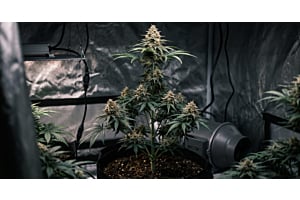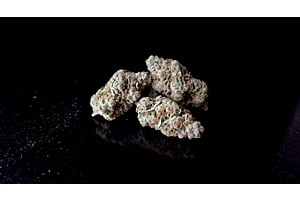
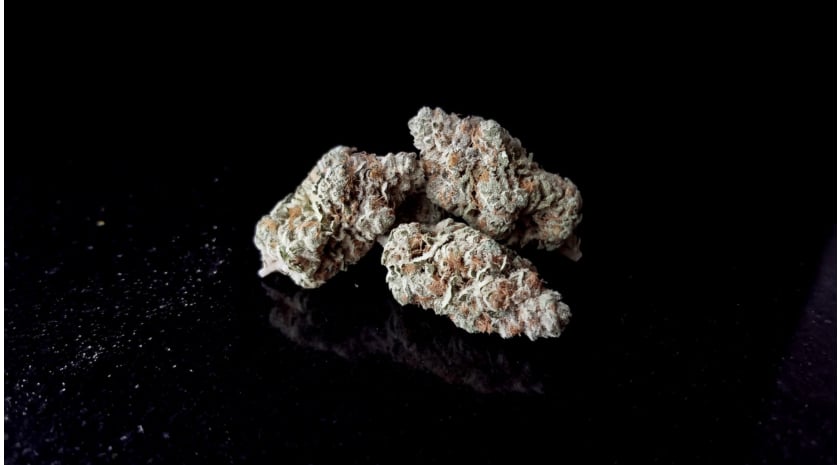
Cannabis flower is the flowering structure of the female cannabis plant, and in everyday use, the word means those flowers after they've been harvested, dried, and cured. Weed flower, marijuana flower, bud, and nug all point to the same material. It's the part people smoke because it holds the most resin glands on the plant.
How a finished bud turns out depends on its genetics and how it was handled after cutting. Only female plants produce the resinous buds people smoke, which is why growers often start from feminized seeds that are bred to produce females.
This guide covers what flower is, which part of the plant it comes from, what it's made of, how it travels from a living plant to a sealed jar, what the grade names on a shelf mean, and how to judge, use, and store it.
What Is Cannabis Flower?
In practical terms, cannabis flower is the bud you buy, grind, and smoke, and that's all flower means when people talk about weed. It's a dense, resin-coated cluster grown by a female plant and made shelf-stable by drying and curing. Growers also use the word for the same flowers while they're still on the living plant.
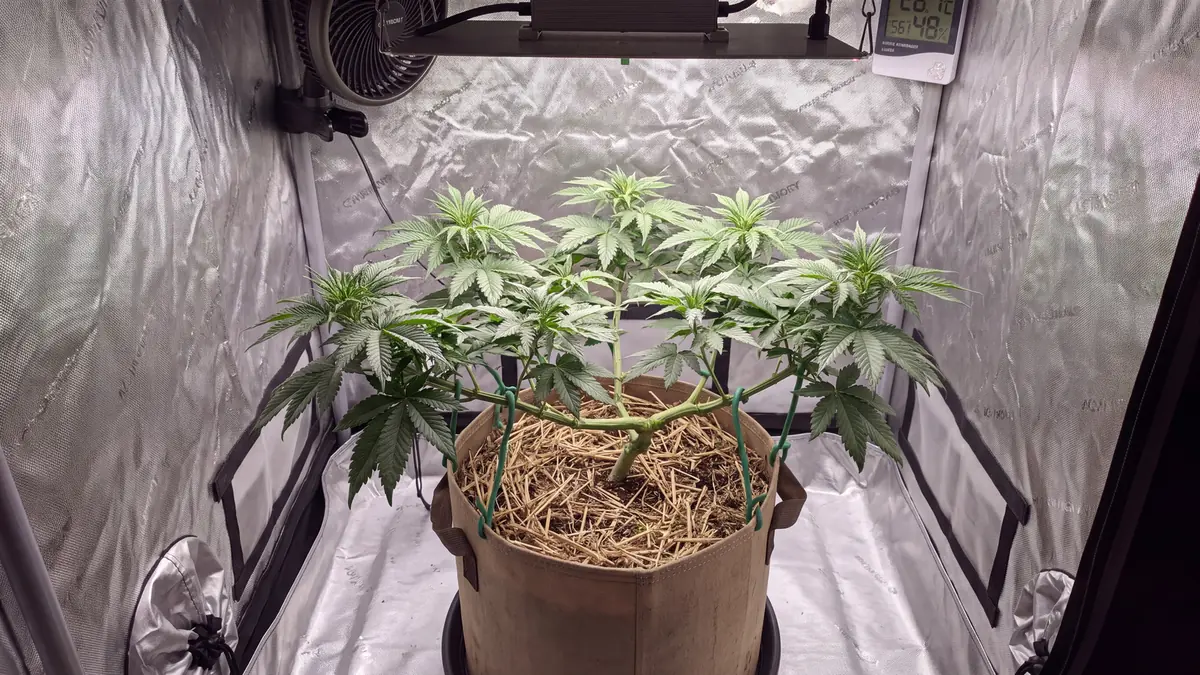
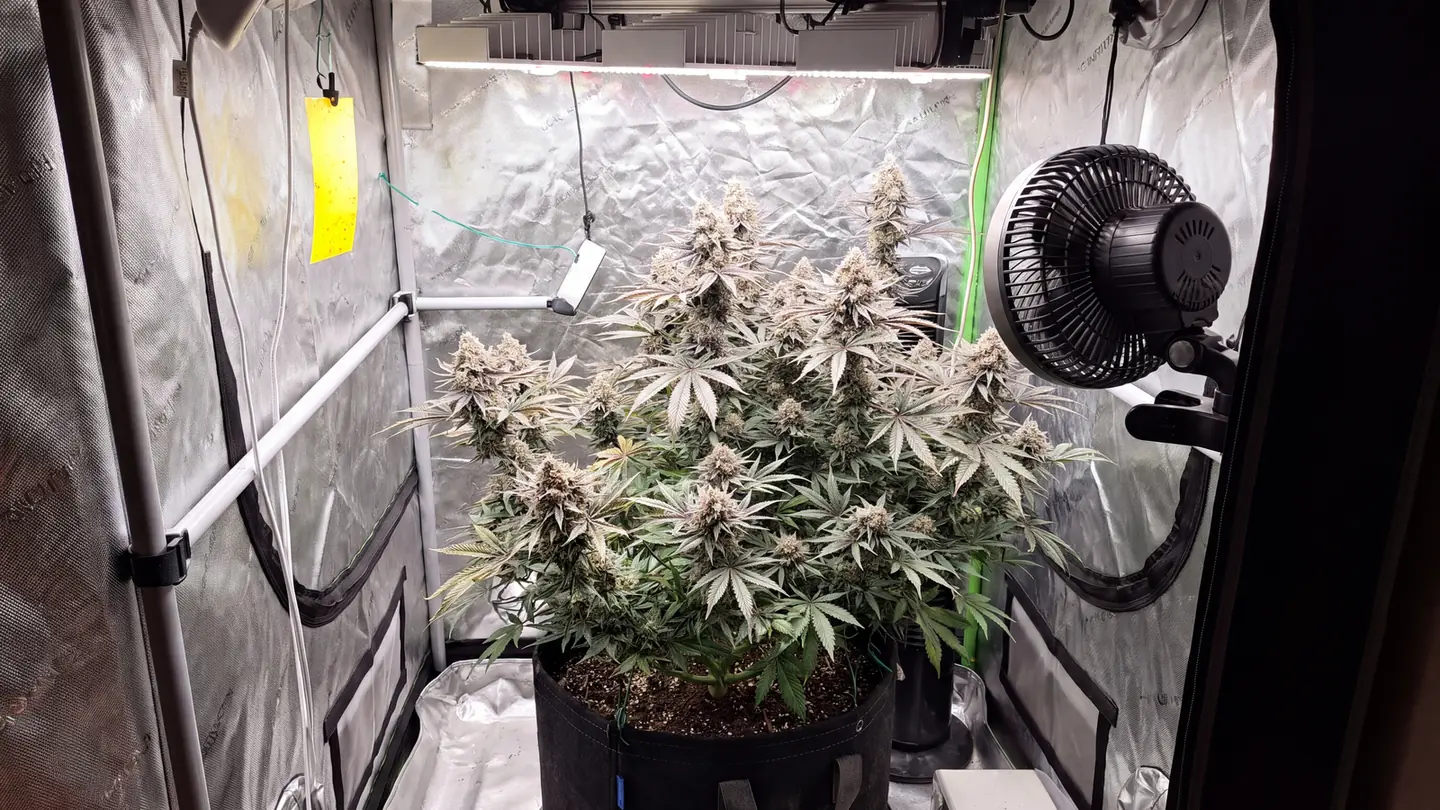
Both uses are correct, and they describe one thing at two different stages. A flower on a living cannabis plant is soft, wet, and full of water, while the same flower after drying and curing is firm, aromatic, and stable enough to store. That dried material is also the starting point for most other cannabis products, from pre-rolls through to extracts.
Is Marijuana Actually a Flower?
Yes, cannabis is a flowering plant, and each bud is a tight cluster of its female flowers. Male plants flower too, but their flowers look and work very differently. The confusion mostly comes from expecting cannabis flowers to look like garden flowers.
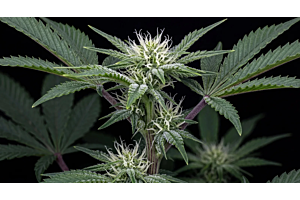
Cannabis is wind-pollinated, not insect-pollinated, so neither sex grows showy petals to attract anything. Female flowers are tiny, each one a bract with a pair of hair-like stigmas that catch pollen from the air. They pack together into the dense, resin-coated clusters growers harvest, which is why a bud looks nothing like a rose or a daisy.
Male flowers start as small, round pollen sacs that hang in loose clusters along the branches. When they mature, each sac opens into five small, pale sepals and releases pollen from the stamens inside. They produce very little resin and never form buds, so they’re not what anyone means by “cannabis flower.”
Flower is also easy to mix up with flour when you only hear the word. Cannabis flower is the plant’s bud, whether fresh or dried. Hemp flour is a separate food product milled from hemp seeds, and it isn’t a meaningful source of THC.
Weed Flower, Bud, and Nug: What the Names Actually Mean
Flower, bud, nug, and weed usually all mean the same thing: the flower of the female cannabis plant. They differ in register, not substance, so none of them tells you anything about quality. Here’s what each name means and where you’re likely to hear it:
| Term | What it means | Where you'll hear it |
| Flower | The flower of the female plant, fresh or dried | Product listings, industry, and formal writing |
| Bud | The same material, spoken of as individual pieces | Everyday grower and consumer talk |
| Nug | A single piece of trimmed, dried bud | Informal slang |
| Weed | Either the dried flower or cannabis in general | Everywhere, with the meaning set by context |
| Ganja, pot, herb, MJ | The same material under older or regional slang | Casual conversation, forums, and music |
Two habits are worth knowing. Bud is usually countable, so people say a bud or a few weed buds, while flower works as a mass noun, as in an ounce of flower. THC bud isn’t a separate category either. It just means ordinary THC-containing flower, as opposed to CBD or hemp flower.
What Part of the Marijuana Plant Do You Smoke?
You smoke the dried flower of the female plant, better known as the bud, not the leaves, stems, or seeds. Each bud is a dense cluster of small flowers coated in resin, and that resin is what makes it the part worth smoking.
The Parts of a Cannabis Bud
Each bud is built from a few distinct parts, and they’re easiest to tell apart on the living plant, before trimming and drying change how they look.
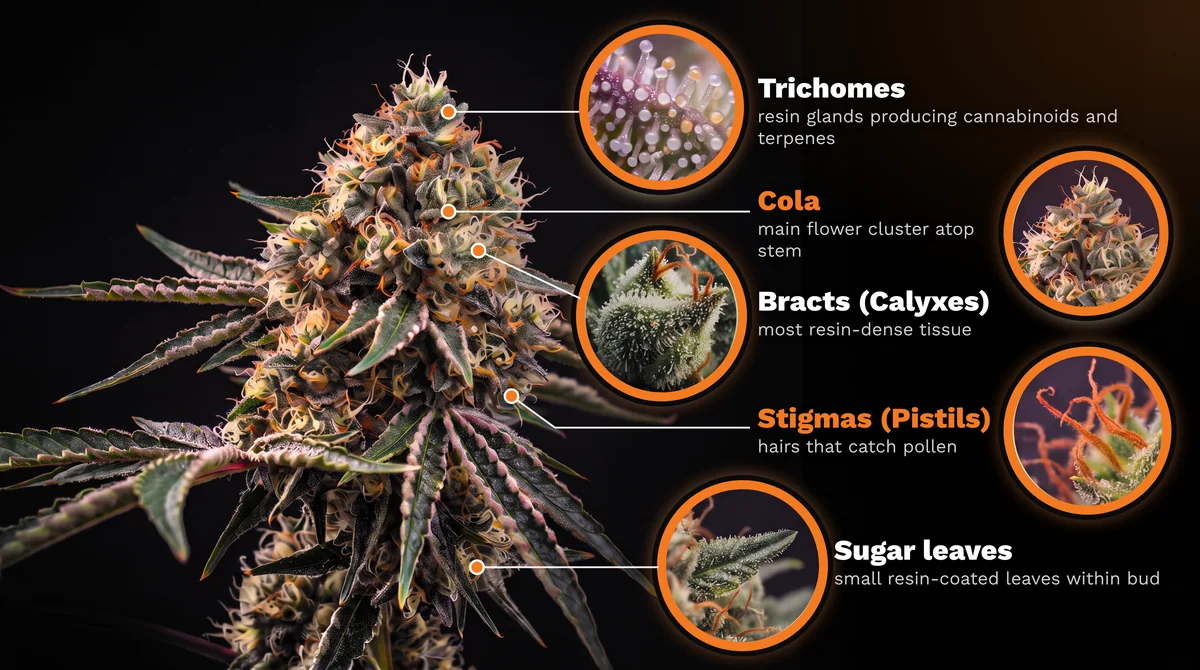
- Bracts (often called calyxes): the small, leaf-like pods that form first at each flower site and enclose the flower’s reproductive parts. They’re usually the most resin-dense tissue on the plant and make up most of a finished bud.
- Stigmas (often called pistils or hairs): the hair-like strands that emerge from each bract to catch pollen. They start white and darken to orange, red, or brown as the flower matures.
- Trichomes: tiny resin glands covering the bracts and the leaves closest to them, which give buds their frosty, crystalline look.
- Sugar leaves: small, resin-dusted leaves growing out from between the bracts, most of which get trimmed off at harvest.
- Colas: the long, dense clusters where many buds grow together along the top of the main stem and each branch. The main cola at the top of the plant is usually the largest.
By the time a bud is cured and jarred, most sugar leaves are gone and the stigmas have shriveled and darkened, so what you mainly see is tightly packed bracts frosted with trichomes.
Why the Bud and Not the Leaves, Stems, or Seeds
The bud is the part that gets smoked because that’s where the place concentrates its cannabinoids and terpenes. Both are made in the trichomes, and trichomes cover the flowers far more heavily than any other part of the plant. Leaves, stems, and seeds carry too little to be worth smoking.
Trichome coverage drops off quickly the farther you move from the flowers. Sugar leaves, which grow from inside the bud, carry some resin but much less than the bracts. Fan leaves have far less again, stems have very little, and seeds contain little to no THC or CBD.
What's Inside Marijuana Flower?
Marijuana flower mainly contains cannabinoids and terpenes, both made in the resin of its trichomes. Their balance shifts from one flower to the next, which is why two buds can differ so much in strength and smell.
Cannabinoids and Why Heat Changes Them
Cannabinoids are the compounds behind cannabis's effects. THC and CBD are the best known. THC is the main source of cannabis intoxication, while CBD is non-intoxicating, and CBG, CBN, and CBC are usually present in smaller amounts. Heat is what activates them. Raw flower holds mostly THCA, which converts to THC mainly when it's heated.
That conversion is called decarboxylation, and until it happens, the flower is chemically different from what heating produces. This is also why lab labels on flower can look confusing. Many list THCA and THC separately, then add a total THC figure that estimates how much THC the flower could deliver once heated.
Terpenes and Aroma
Terpenes are the aromatic compounds behind cannabis’s smell and much of its flavor, and they’re made in the same resin as the cannabinoids. They’re what you’re smelling when you open a jar. The ones named most often are myrcene, limonene, pinene, linalool, and caryophyllene.
Different combinations of terpenes produce the citrus, earthy, floral, pine-like, and spicy characters people use to tell varieties apart. But aroma and strength are separate questions, so two flowers with similar THC levels can smell and taste totally different.
Terpenes are also common across the plant kingdom, which is why cannabis can smell like citrus or pine. The skunky note it’s known for is different. It’s attributed in part to volatile sulfur compounds, and some of those appear to be specific to cannabis.
Types of Marijuana Flowers
Marijuana flower is grouped into types in three ways: by strain label (indica, sativa, or hybrid), by cannabinoid content (THC-dominant, CBD-dominant, or balanced), and by legal category (THC flower or hemp flower). Here’s what each type is and what it tells you:
| Type | What it is | What it tells you |
| Indica | Flower from short, bushy, broad-leaf lines, often forming dense, chunky buds | A general guide to how the plant grows, not a reliable predictor of effects |
| Sativa | Flower from taller, narrow-leaf lines, often forming longer, airier buds | A general guide to growth and bud shape, not to chemistry |
| Hybrid | Flower from crosses of indica and sativa lines, which covers most modern strains | Which side of its background a plant leans toward |
| THC-dominant | Flower with far more THC than CBD, the most common type in adult-use markets | That it’s intoxicating, with strength shown by total THC on the lab label |
| CBD-dominant | Flower with far more CBD than THC, from the same species | That it’s far less intoxicating than THC-dominant flower |
| Balanced | Flower with similar amounts of THC and CBD | That it still contains a meaningful amount of THC |
| Hemp flower | Cannabis flower that tests under a legal THC limit, often sold as CBD flower | Its legal category, with the limit and how it’s measured depending on where you are |
Strain labels and cannabinoid content answer different questions. Indica, sativa, and hybrid describe a variety’s genetic background, while only a lab label shows how much THC and CBD a specific batch of flower contains.
How Living Weed Flowers Become Dried Buds
Living weed flowers become dried buds in four steps once the plant has finished flowering. They're harvested, trimmed, dried, and cured. Before that, the plant grows vegetatively, then shifts into flowering, and the buds form and fill out across that second stage.
Flowering and Harvest
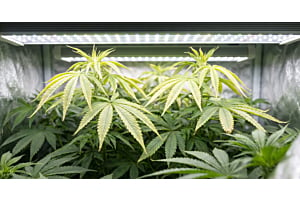
Photoperiod plants are triggered into flowering by long, uninterrupted nights, which indoor growers recreate by flipping the lights to 12/12. Autoflowering plants start flowering according to age, without waiting for a 12/12 light schedule.
Harvest means cutting the plant and separating the flower-bearing material. Many growers time it by watching the trichomes under magnification as they turn from clear to cloudy, with some going amber. A plant taken earlier and a plant taken later don't arrive at the jar in the same condition.
Trimming takes away the leaf surrounding the buds, and that removed leaf is the trim. Whether it comes off before or after drying is a handling choice, not a fixed rule.
Drying and Curing
Drying and curing weed is what turns freshly cut flower into stable, smokable bud. Drying removes most of the moisture, then curing lets the dried flower settle in sealed containers under controlled conditions for a much longer stretch.
Curing develops aroma and smoothness and makes the flower stable enough to store. It protects the resin and the aromatic compounds it carries, but it can't add anything the plant didn't make. Rushed or careless handling at either stage costs aroma, texture, and smoking quality, and flower put away before it's properly dry can end up unsafe to keep.
Why Weed Buds Come in Different Grades and Forms
Weed buds come in different grades because they differ in size, in where they grew on the plant, and in how much leaf was trimmed off them. They come in different forms because flower can be sold whole, ground, or already rolled.
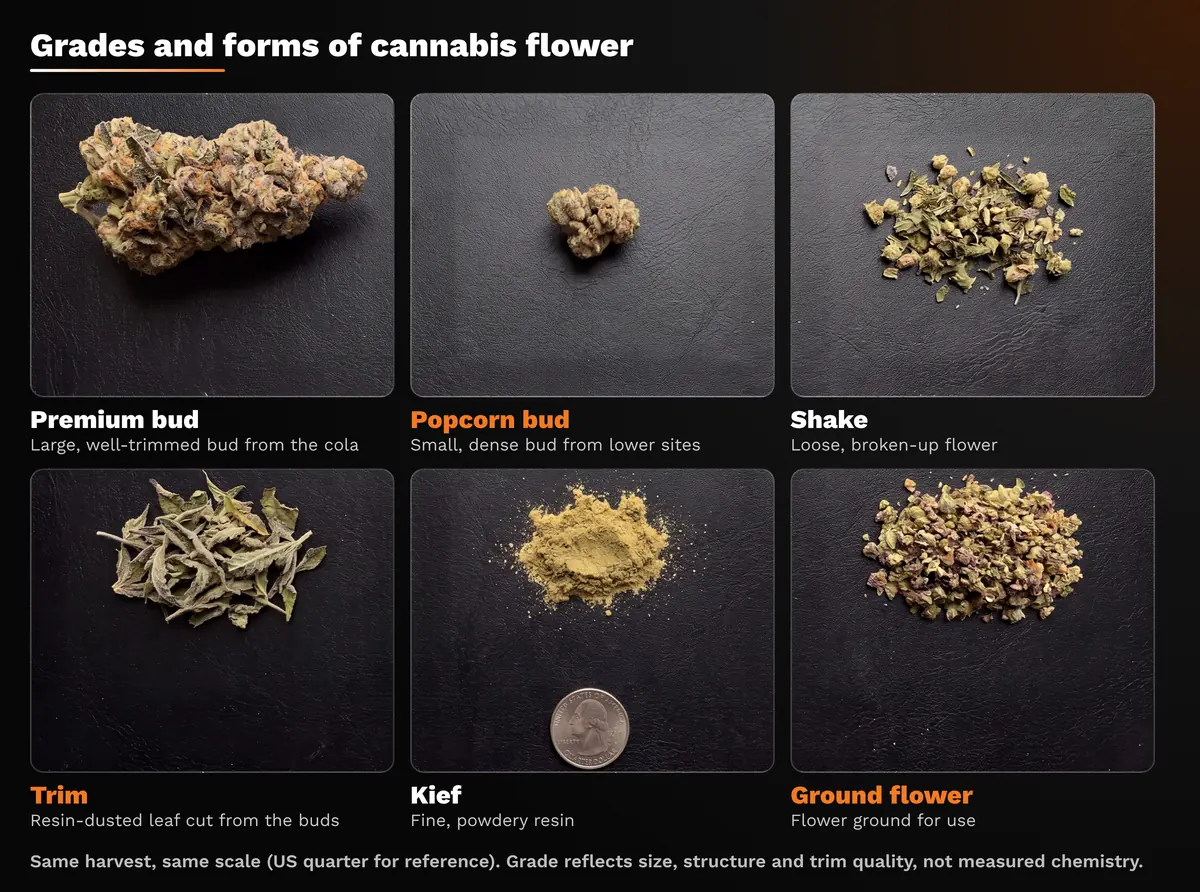
Everything below can come out of the same harvest.
- Premium or top-shelf: larger, well-formed buds, often cut from the colas, which are the dense main clusters at the top of the plant. They're carefully trimmed before sale.
- Popcorn buds: smaller buds from lower or inner positions on the plant. They're usually cheaper and less dense, but they're the same kind of material in a smaller format.
- Shake: loose, broken-up flower that separates from whole buds during handling, storage, and transport.
- Trim: the small, resin-dusted leaves cut away from the buds at harvest. They hold less resin than the buds, so trim usually goes into extracts or edibles instead of being smoked.
- Kief: the fine, powdery resin that falls off flower as it's handled. It's made of loose trichome heads and often collects in the bottom chamber of a grinder.
- Whole bud, ground flower, and pre-rolls: three stages of preparation, not three grades.
Grade reflects size, structure, and trim quality, not a lab-measured difference in chemistry. A pre-roll isn't a lower grade for being convenient, and popcorn buds don't come from a different plant.
How to Tell Good Weed Flower From Bad
Judge weed flower by its look, smell, feel, and lab label together. No single signal settles it, including the frost everyone looks at first. Visible coverage from the resin glands on the bud surface shows the flower was resinous when it was cut, but on its own, it doesn't prove quality or THC level.
- Look: well-handled flower looks vibrant, not dull or uniformly brown, and holds its structure instead of crumbling to dust in the bag.
- Smell: aroma is one of the most useful signals available. A distinct, strong, characteristic smell generally points to flower that was cured properly and is still reasonably fresh.
- Weak or off smells: a flat, hay-like, or musty smell generally points to a rushed cure, age, or a moisture problem.
- Feel: well-cured flower feels slightly springy and breaks apart cleanly. If it feels damp and spongy, or crumbles to powder between your fingers, it was dried poorly or it's been stored too long.
- Chemical notes: an artificial or solvent-like smell is a reason to be cautious about how the flower was treated.
- Label: if the flower comes with a lab label, check its total THC and CBD figures. They're the only reliable measure of strength because look and smell can't tell you how potent flower is.
Mold is the one sign that rules flower out completely. White, gray, or fuzzy patches, often with a musty smell, mean the flower has gone moldy, and moldy flower shouldn't be consumed.
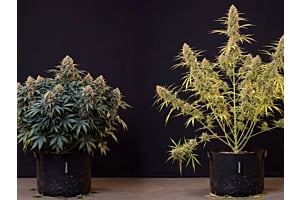
Two buds from the same seed stock can present very differently because what you're reading is the result of genetics, growing conditions, and post-harvest handling together.
How to Use Cannabis Flower
Cannabis flower is used by heating it, most often by smoking it, vaporizing it, or baking it into edibles. It's usually ground first so it heats evenly, and heat is what turns its THCA into THC.
- Smoking applies direct combustion in a rolled joint, a blunt, a pipe, or a water pipe, and the compounds are inhaled in the smoke. A water pipe cools the smoke before it reaches you, which isn't the same as removing what's in it.
- Vaporizing uses a dry-herb vaporizer to heat flower below the point of combustion, so what you inhale is vapor, not smoke. It's a different exposure, and the flower is still intoxicating.
- Edibles need the flower decarboxylated in an oven first, then infused into a fat or alcohol carrier. Onset and duration through an edible differ substantially from inhalation.
- Pre-rolls and ground flower are convenience preparations of the same material, used in exactly the same way.
None of these routes is risk-free: smoking exposes the lungs to smoke and combustion by-products, and vaporizing changes the exposure without removing it.
How Do You Smoke Infused Flower?
You smoke infused flower the same way as regular flower, in a joint, a pipe, or a water pipe, but you use much less. Infused flower is ordinary flower coated in or combined with a concentrate such as distillate, oil, or kief, and because that concentrate is considerably stronger than the bud underneath, the same amount delivers a much larger dose.
The coating also makes it sticky, so many people break it apart by hand instead of in a grinder, where it tends to gum up the teeth. It can burn less evenly than plain flower, which is why it's often packed loosely or mixed with untreated bud.
How to Store Cannabis Flower
Store cannabis flower in a sealed glass jar in a cool, dark place with a steady temperature. Light, heat, air, and moisture are what break it down, and these habits keep each of them in check:
- Use glass jars. Glass doesn’t alter aroma or build static the way plastic bags can, and static can pull trichomes off the bud.
- Match the jar to the amount. A big jar holding a little flower leaves extra air around it, which speeds degradation, so move bud into a smaller jar as you work through it.
- Keep the temperature steady, not cold. Swings between warm and cool can cause condensation inside the jar, and that moisture invites mold.
- Never seal away damp flower. Trapped moisture lets mold develop, so make sure flower is fully dried and cured before it goes into storage, and check long-stored flower for the mold signs covered above.
Flower has no fixed shelf life. How long it stays in good condition depends on how well it was cured and stored. Over time, light, heat, and air break THC down into CBN, a different and less potent cannabinoid, and aroma fades as its volatile compounds escape. Store cannabis flower securely and out of reach of children and pets.
The best way to really get to know flower is to grow it. Pick cannabis seeds from a strain whose aroma and effects you’re curious about, and you’ll see every stage in this guide play out in your own grow.