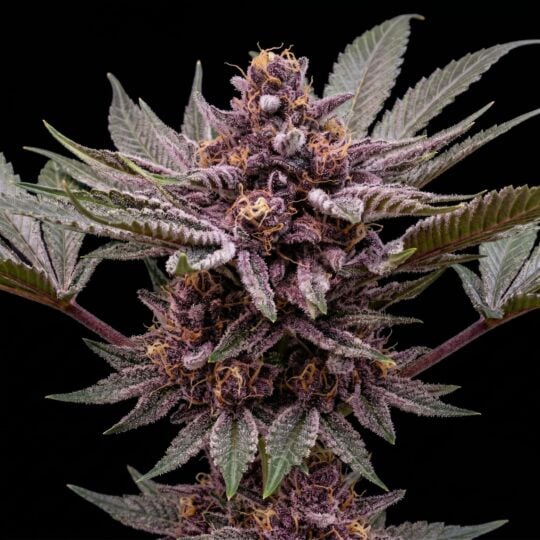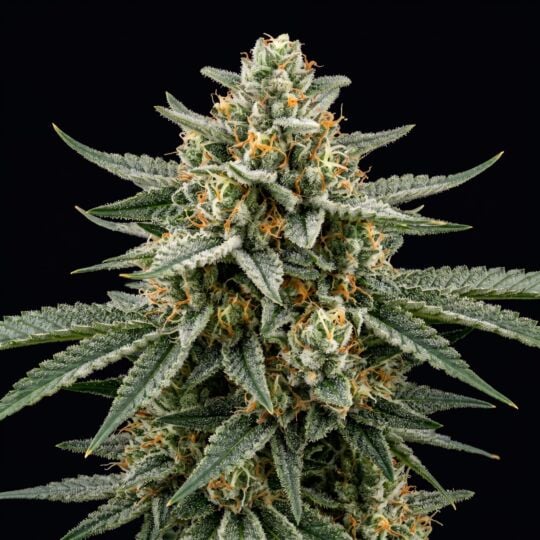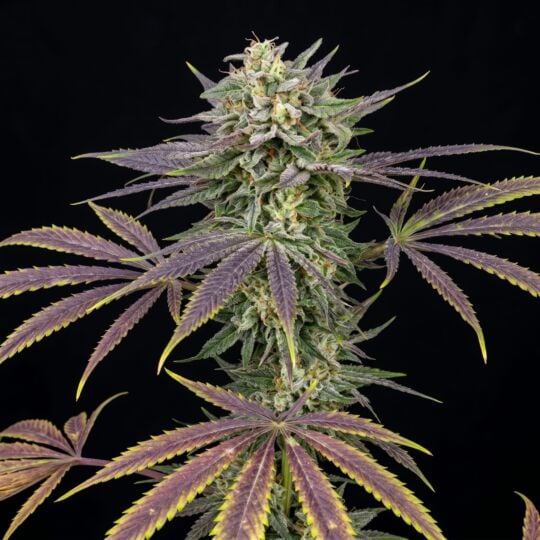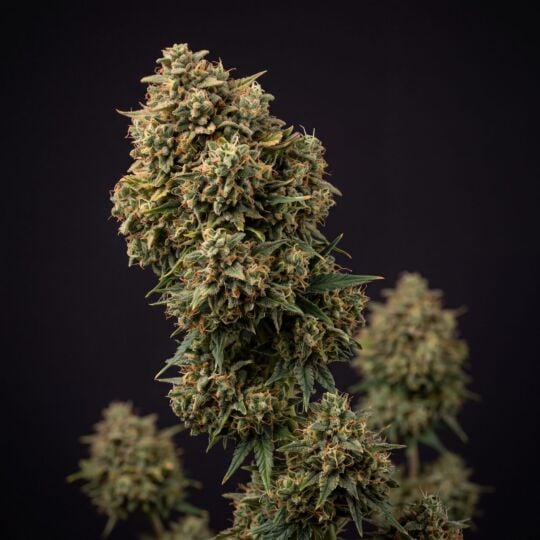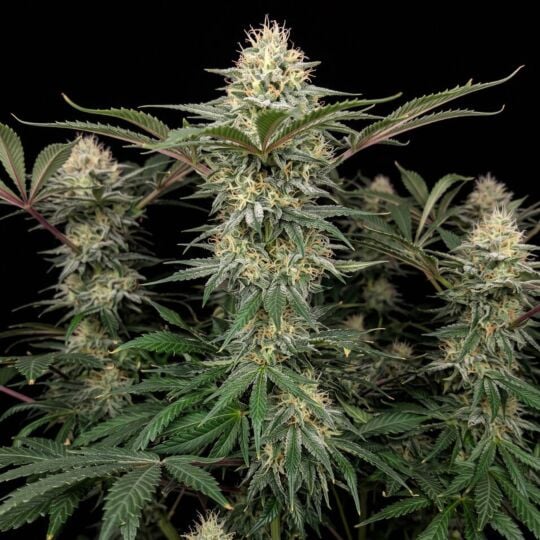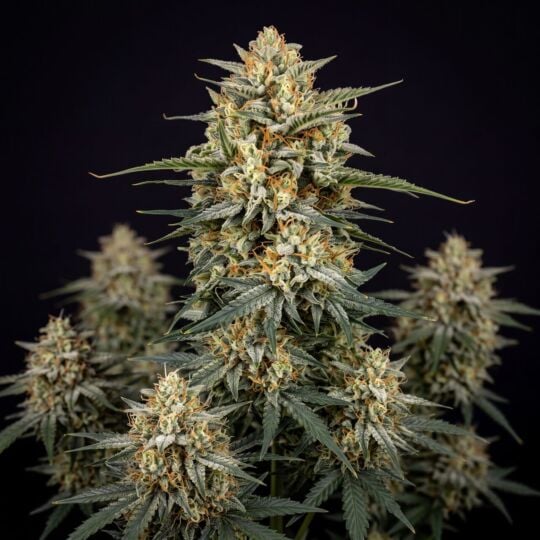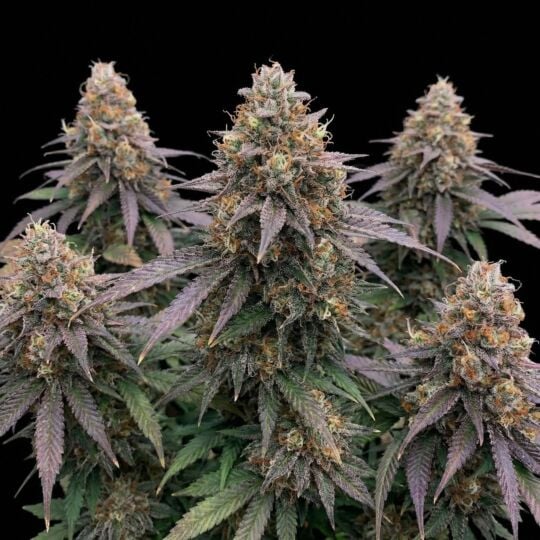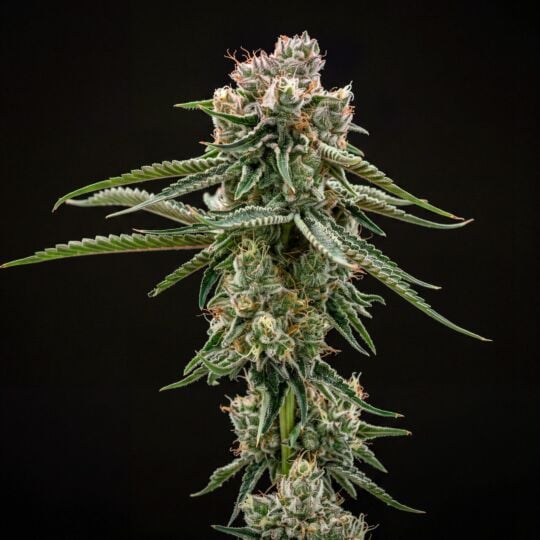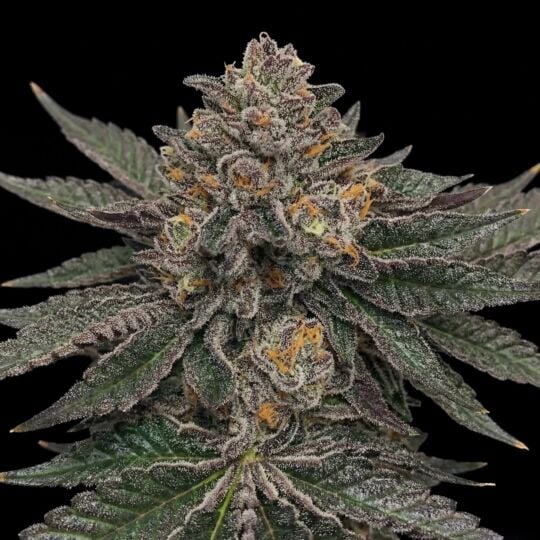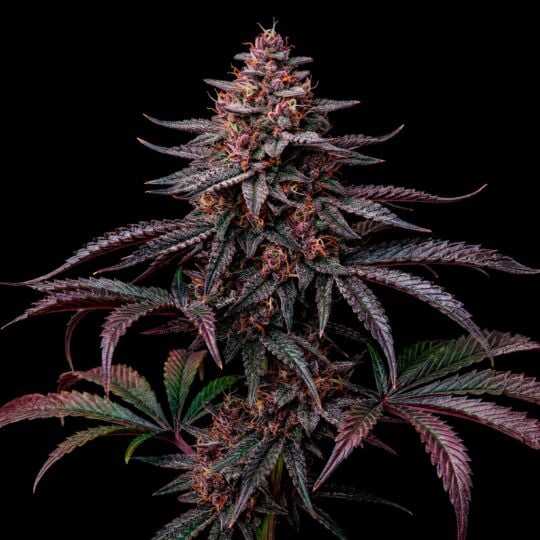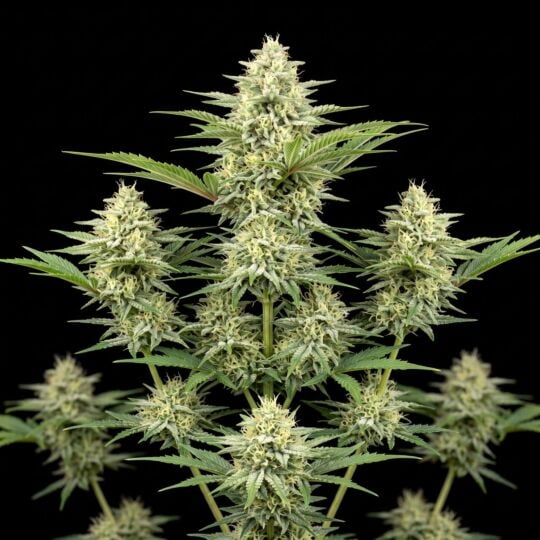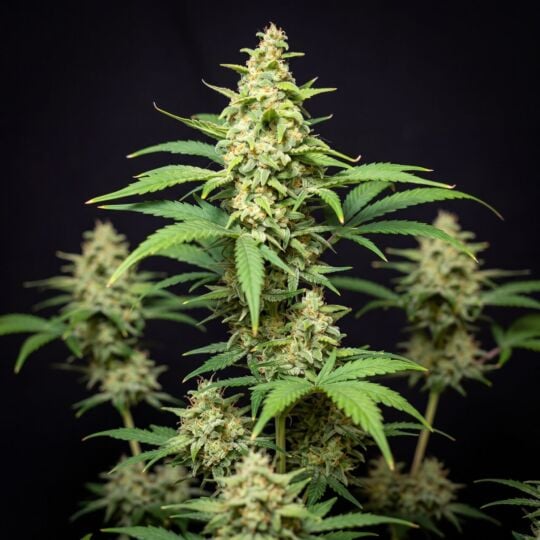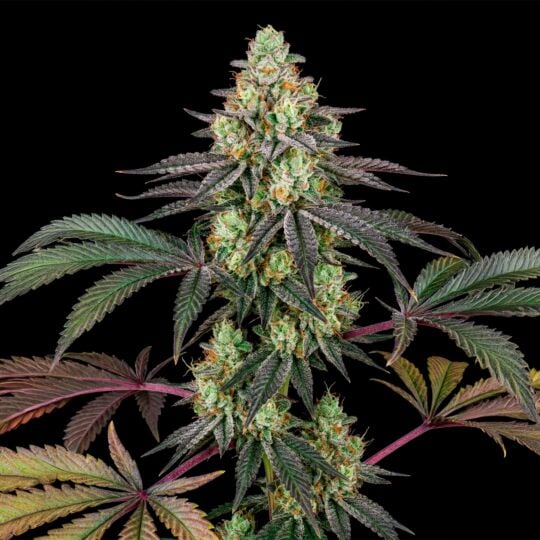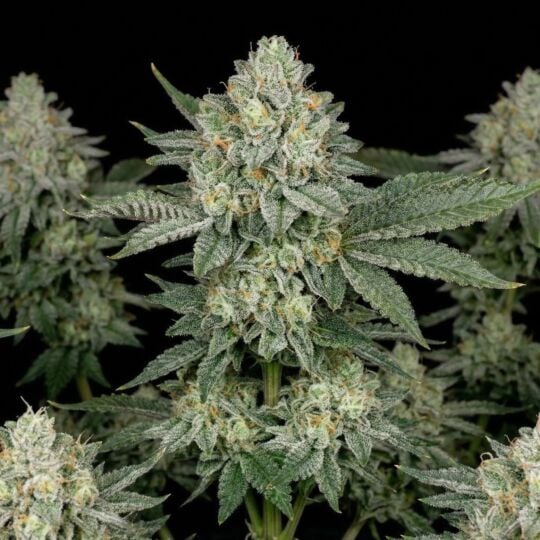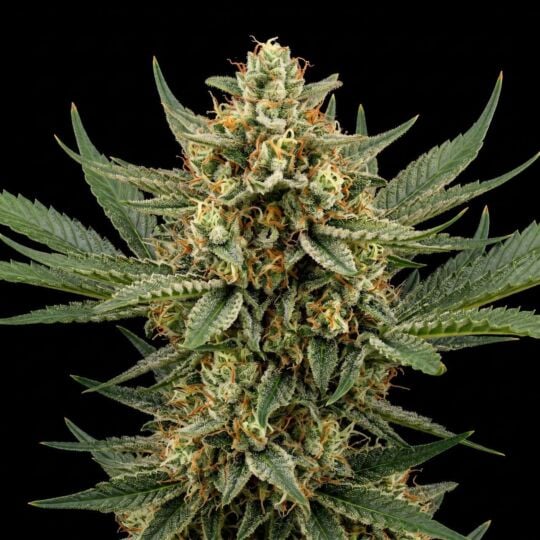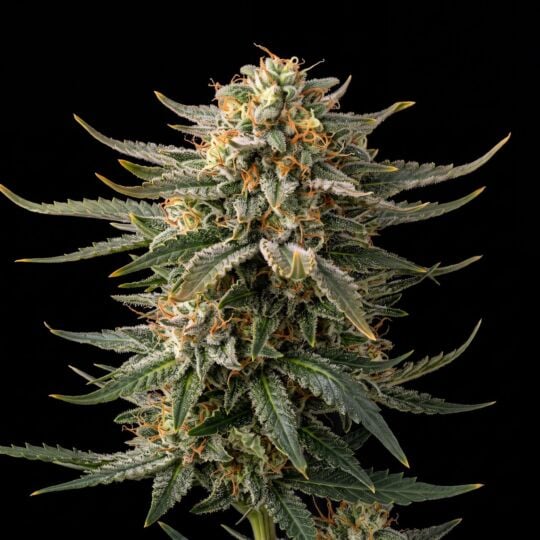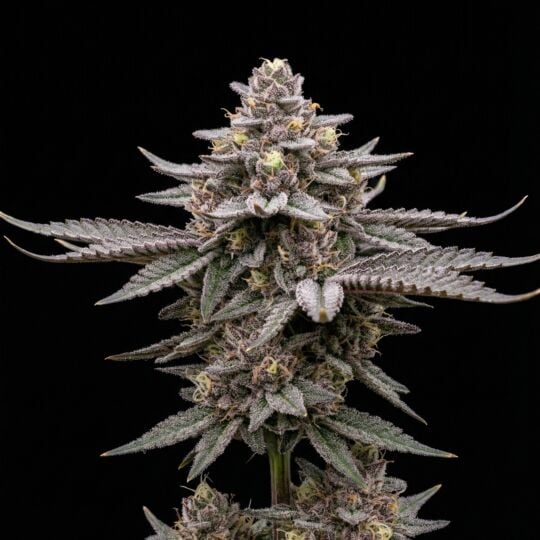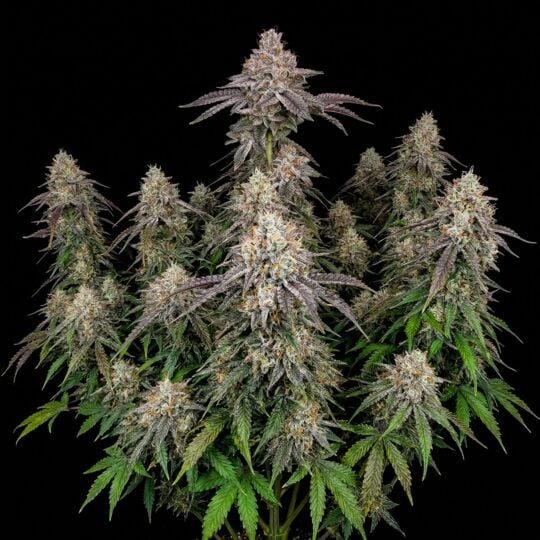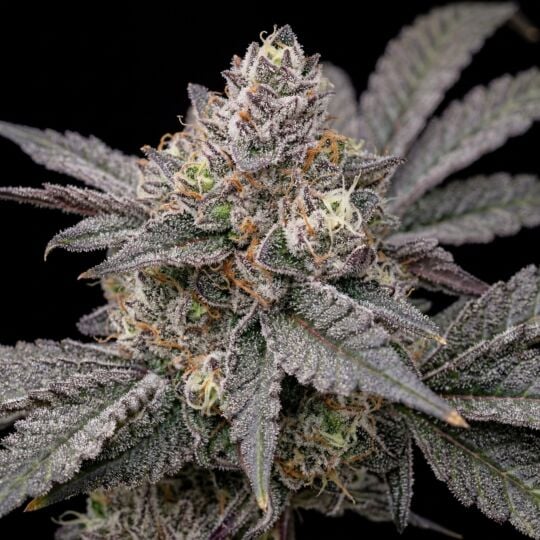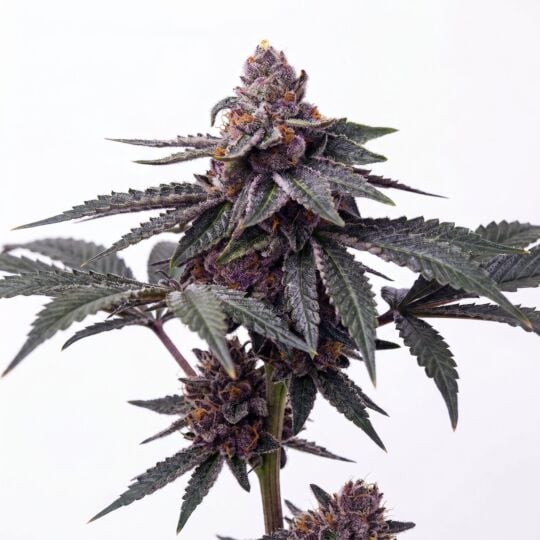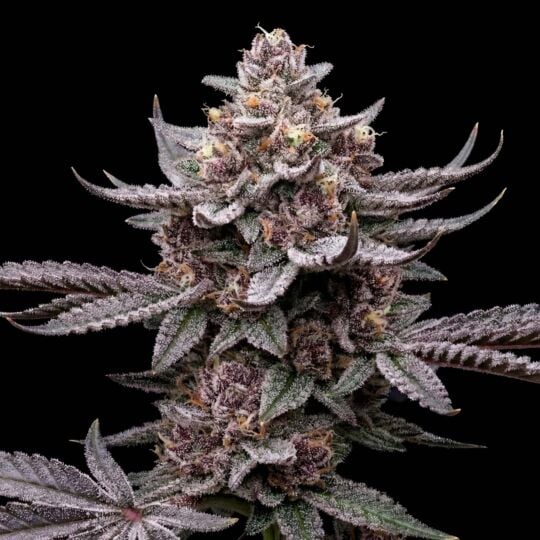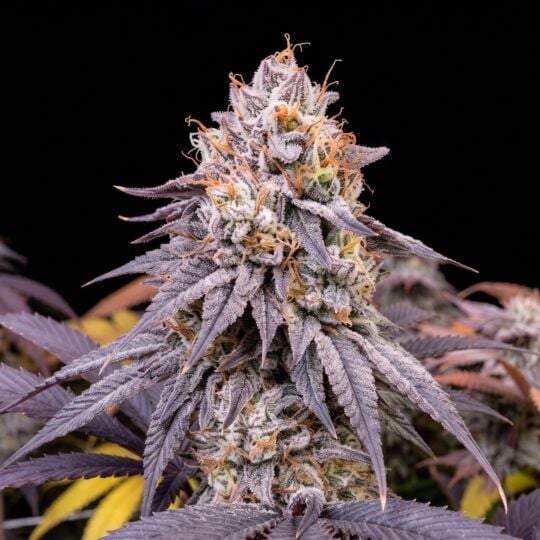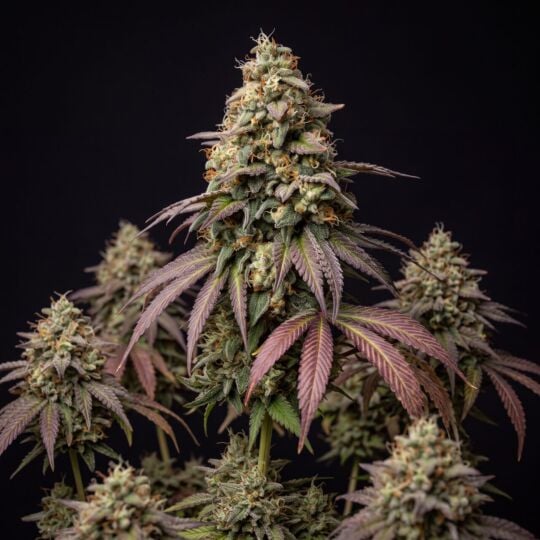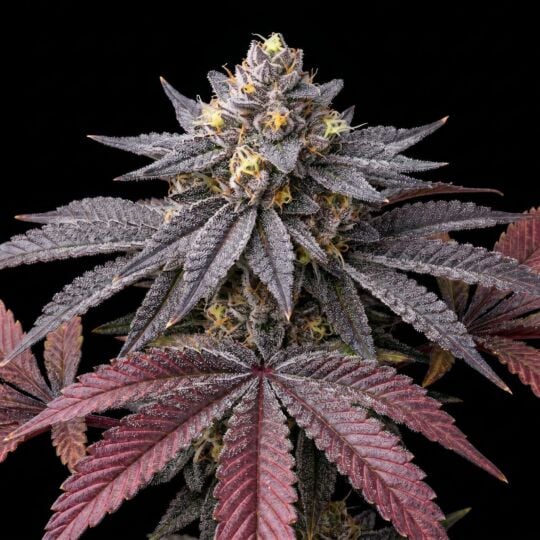
Hybrid Marijuana Seeds
Hybrid seeds combine the best of indica and sativa genetics, offering balanced growth, dependable yields, and versatile plants suited for both indoor and outdoor gardens. Browse sativa-dominant, indica-dominant and balanced 50/50 hybrid seeds below.
What Are Hybrid Seeds?
Hybrid cannabis strains are cultivars bred by crossing an indica parent with a sativa parent. The first generation (F1) inherits traits from both parents. Breeders then grow out further generations and select offspring with the desired mix to stabilize the line.
A hybrid weed strain can carry the short bushy structure of an indica and the long flowering window of a sativa, or any other combination of parental traits.
The term covers a huge range of plants. A 60/40 sativa-leaning hybrid and a 60/40 indica-leaning hybrid are both technically hybrids, but they grow and finish very differently. That is why "hybrid strain" alone is rarely enough information to choose a seed, and growers also want to know which parent dominates.
Most named modern cultivars are hybrids. Blue Dream, Girl Scout Cookies, OG Kush, Wedding Cake and Gorilla Glue are all hybrid weed strains with documented indica x sativa lineage, even when they are marketed primarily under one dominance label.
How Are Hybrid Cannabis Seeds Created?
Breeders create hybrid cannabis strains by crossing two parent strains. A male from strain A donates pollen to a female from strain B, and the resulting seeds carry combined genetics from both lines. This first hybrid generation is called an F1 cross. When both parent lines are stable, F1 plants are surprisingly uniform because each offspring inherits one consistent allele from each parent.
The wide range of phenotypes shows up when F1 hybrid seeds are crossed with each other, producing the F2 generation. F2 plants receive one allele from each F1 parent, but those parents carry mixed allele pairs, so the offspring sort out into many combinations.
Breeders then select the F2 plants that best express the wanted traits and breed those plants together over several generations. Each generation tightens the trait range until the line consistently produces plants that look, grow and finish similarly.
A stabilized hybrid strain may be released as feminized seeds, autoflower seeds or regular seeds depending on the breeder's program. The lineage tells the grower which two parent strains went into the cross and roughly where the offspring sits on the indica-sativa scale.
What Are the Three Types of Hybrid Cannabis Strains?
Hybrid cannabis strains fall into three groups based on which parent dominates the genetic mix. The dominance pattern decides plant structure, flowering time and the reported effect profile. Cultivators usually pick a hybrid sub-type that matches the grow space, the desired flowering window and the kind of experience they want from the harvest.
The three hybrid sub-types are:
- Sativa-dominant hybrid strains: more sativa genetics than indica, taller plants, longer flowering, effects growers describe as uplifting
- Indica-dominant hybrid strains: more indica genetics than sativa, shorter plants, faster flowering, effects growers describe as relaxing
- Balanced 50/50 hybrid strains: roughly even split, mixed plant structure, mid-range flowering, effects growers describe as a blend of both ends
Sativa-Dominant Hybrid Strains
Sativa-dominant hybrid strains carry more sativa genetics than indica genetics, usually in a 60/40 to 80/20 split. The plants tend to grow taller, stretch more in early flower and finish later than indica-leaning hybrids. A sativa-dominant hybrid is a stronger fit for growers with vertical space than for growers running short tents.
Reported effects skew toward what consumers describe as energetic, focused or daytime. The cannabinoid and terpene profile varies by strain. Recognizable sativa-dominant hybrid strain names include Sour Diesel, Jack Herer and Super Lemon Haze.
Indica-Dominant Hybrid Strains
Indica-dominant hybrid strains carry more indica genetics than sativa genetics, usually in a 60/40 to 80/20 split. The plants tend to grow shorter and bushier, stretch less in early flower and finish faster than sativa-leaning hybrids. An indica-dominant hybrid is a stronger fit for indoor growers with limited vertical space.
Reported effects skew toward what consumers describe as relaxing, heavy or evening. Recognizable indica-dominant hybrid strain names include Wedding Cake, Bubba Kush and Biscotti. Many beginner-friendly hybrids sit in this group because faster flowering reduces total grow time.
Balanced 50/50 Hybrid Strains
Balanced 50/50 hybrid strains carry an even split of indica and sativa genetics. The plants show mixed structural traits: medium height, medium branching and medium flowering time. A 50/50 hybrid does not lean strongly toward either parent, so reported effects are described as a blend of body and head.
Recognizable balanced hybrid strains include White Widow, Gelato and OG Kush. The genetic split is rarely exactly 50/50 in practice, so labels in this group are approximate.
How Do Hybrid Cannabis Plants Grow?
Hybrid cannabis plants grow with traits pulled from both indica and sativa parents. Plant height, branching pattern, internode spacing and leaf shape sit somewhere between the two parent extremes. The dominance ratio decides where on that range a specific hybrid lands.
Flowering time for photoperiod hybrid weed plants typically runs 8-12 weeks, with indica-leaning hybrids finishing closer to 8-10 weeks and sativa-leaning hybrids closer to 10-12 weeks. A hybrid cannabis plant under an autoflower program follows age-based flowering instead, finishing in roughly 8-10 weeks from seed.
Photoperiod plants flip to flower when the light schedule changes from 18/6 to 12/12.
Yield potential varies with genetics, growing conditions and grower skill rather than with hybrid status alone. Indica hybrid seeds often produce denser nugs per plant, while mostly sativa hybrid seeds produce looser, more airy buds spread across more branching. Neither pattern is universal.
Resistance to mold, pests and heat also varies. A hybrid that combines a mold-resistant indica parent with a heat-tolerant sativa parent can carry both traits, which is one reason breeders cross strains deliberately rather than working within one parent family.
What to Look for in Hybrid Marijuana Seeds
Hybrid marijuana seeds differ by a few key attributes that shape how they perform in a grow: lineage, seed type, flowering behavior and breeder reputation.
The attributes worth checking before you grow:
- Lineage: which two parent strains went into the cross, and the approximate dominance ratio
- Seed type: feminized, autoflower or regular hybrid seeds
- Flowering window: 8–10 weeks for photoperiod, or 10–12 weeks from seed for autoflower
- Breeder reputation: how stable the line stays across phenotypes
- Grow fit: whether plant size and flowering time match your space and timeline
Hybrid Strain Lineage and Parent Genetics
Hybrid strain lineage tells growers which parent strains contributed the genetics. A pack labeled "Wedding Cake (Triangle Kush × Animal Mints)" gives more useful information than a pack labeled only "indica-dominant hybrid." The named parents predict structure, flowering time and the broad effect profile better than a single dominance tag.
Stable hybrid lines come from breeders who have worked the cross over multiple generations. A first-generation cross can produce wildly different phenotypes from the same seed pack, while a stabilized line produces plants that look and grow similarly across the pack. Reputable breeders publish generation counts and selection criteria on the strain page.
Feminized Hybrid Seeds vs Autoflower Hybrid Seeds
Feminized hybrid seeds and autoflower hybrid seeds answer two different questions about the plant. Feminized hybrid seeds reduce male-plant uncertainty by producing female plants almost every time. Autoflower hybrid seeds combine hybrid genetics with age-based flowering, so the plant flowers on its own schedule instead of waiting for a light change.
Most hybrid strains are sold as feminized weed seeds, because female plants are the source of harvestable buds and most growers do not want to sex plants. Hybrid autoflower weed seeds exist for growers who want a faster total cycle, smaller plants or multiple grows per year.
The choice comes down to how feminized vs autoflower seeds differ across flowering, plant size and total cycle time.
Recognizable Hybrid Strain Names to Know
Recognizable hybrid strain names give new growers reference points for comparing genetics across seed banks. Names by sub-type:
- Sativa-dominant hybrids: Sour Diesel, Jack Herer, Super Lemon Haze
- Indica-dominant hybrids: Wedding Cake, Bubba Kush, Biscotti
- Balanced 50/50 hybrids: White Widow, Gelato, OG Kush
New hybrid strains are released every year as breeders cross existing lines into new combinations. The same strain name can appear under slightly different lineages across breeders, so the seed pack lineage matters more than the strain name alone.
New growers tend to reach for marijuana seeds for beginners with well-documented, forgiving genetics.
How Do Hybrid Seeds Compare to Indica and Sativa Seeds?
Hybrid seeds compare to pure indica seeds and pure sativa seeds by genetic balance. Pure indica seeds carry only indica genetics, pure sativa seeds carry only sativa genetics and hybrid seeds carry a mix of both.
In practice, true landrace indica and landrace sativa seeds are rare in the modern market, and most strains labeled "indica" or "sativa" are actually indica-dominant or sativa-dominant hybrids.
Pure indica seeds produce shorter, bushier plants with shorter flowering times and effects described as relaxing and body-heavy. Pure sativa seeds produce taller, lankier plants with longer flowering times and effects described as uplifting and head-focused. Hybrid weed seeds sit somewhere between these two ends, with the exact position decided by which parent dominates.
Match the strain family to the growing space, the available flowering window and the desired experience. A grower with a short tent and an 8-week schedule has different needs than a grower with high ceilings and a 12-week schedule.
|
Trait |
Pure Indica Seeds |
Hybrid Seeds |
Pure Sativa Seeds |
|
Genetic balance |
100% indica |
Mix of both parents |
100% sativa |
|
Plant structure |
Short, bushy, dense |
Mixed, depends on dominance |
Tall, lanky, open |
|
Flowering time (photoperiod) |
8-10 weeks |
8-10 weeks |
12-14 weeks |
|
Reported effects |
Relaxing, heavy, evening |
Blended, depends on dominance |
Uplifting, energetic, daytime |
|
Best grow fit |
Short tents, limited space |
Most setups |
High-ceiling tents, outdoor |
|
Current market availability |
Limited landrace stock |
Most named strains |
Limited landrace stock |
Where Hybrid Marijuana Seeds Fit Among Other Seed Categories
Hybrid marijuana seeds fit alongside seed-type categories like feminized seeds, autoflower seeds and high-yield seeds. The strain family (hybrid, indica, sativa) is one axis, and the seed type (feminized, autoflower, regular) is a separate axis. A single seed can be both a hybrid strain and a feminized seed at the same time, the two labels do not compete.
For growers who want the broadest selection of named modern strains, hybrid cannabis seeds are the standard choice because most current cultivars are hybrids.
For growers chasing maximum harvest weight per plant, high yield weed seeds filter the catalog by yield rather than by genetic balance. Eligible adult growers should check federal, state and local rules before germinating any cannabis seeds in their jurisdiction.
- Auto
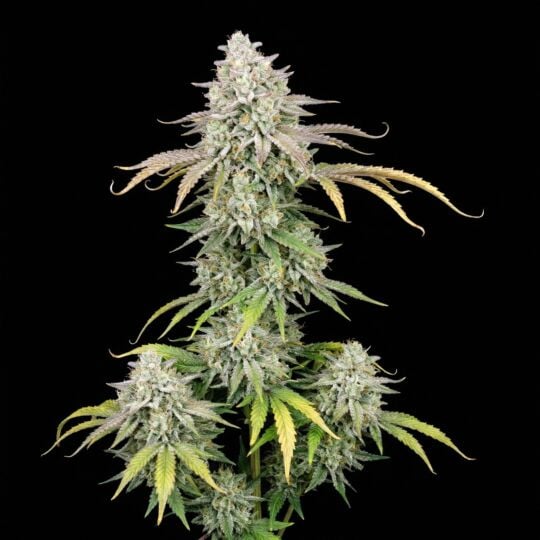 Blue Dream Autoflower SeedsBestsellerBuy one get one free$59.00Variety: Mostly SativaTHC Content: Very High (20-30%)In stock
 - Fem
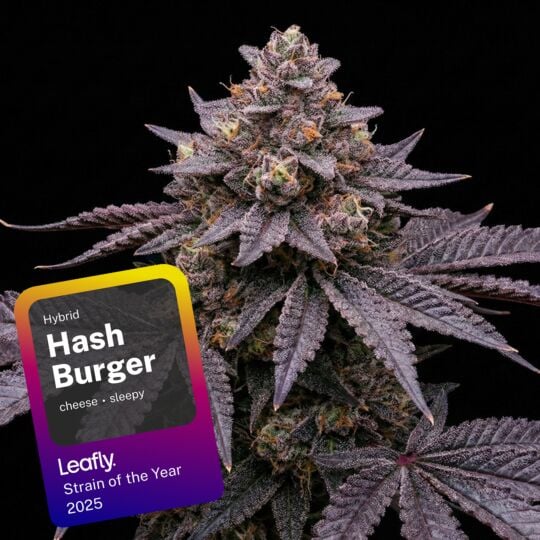 Hash Burger FeminizedBestsellerBuy one get one free$59.00Variety: Mostly IndicaTHC Content: Very High (20-30%)In stock
 - Fem
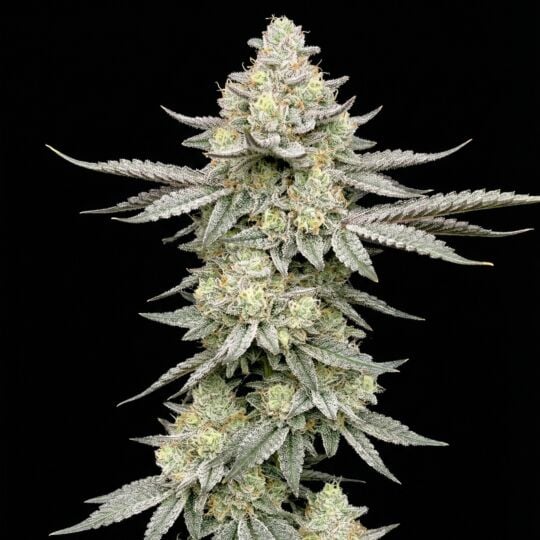 Blue Dream Feminized SeedsBestsellerBuy one get one free$59.00Variety: HybridTHC Content: High (15-20%)In stock
 - Fem
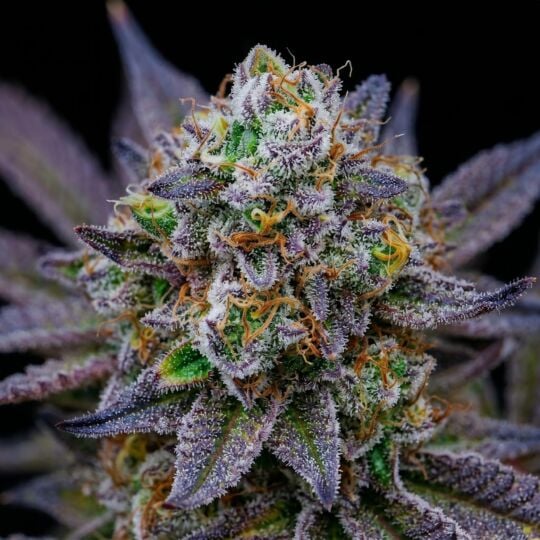 GG 4 x Zkittles Feminized SeedsBestsellerBuy one get one free$59.00Variety: HybridTHC Content: Very High (20-30%)In stock
 - Fem
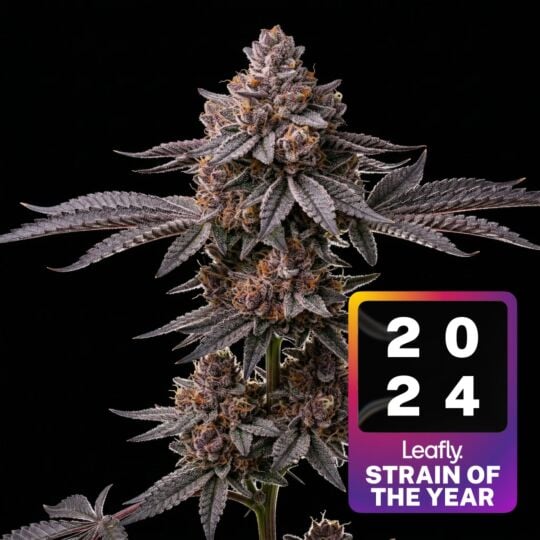 Super Boof FeminizedBestsellerBuy one get one free$59.00Variety: HybridTHC Content: Very High (20-30%)In stock
 - Fem
 Apple Fritter Feminized SeedsBestsellerBuy one get one free$59.00Variety: HybridTHC Content: Very High (20-30%)In stock
 - Fem
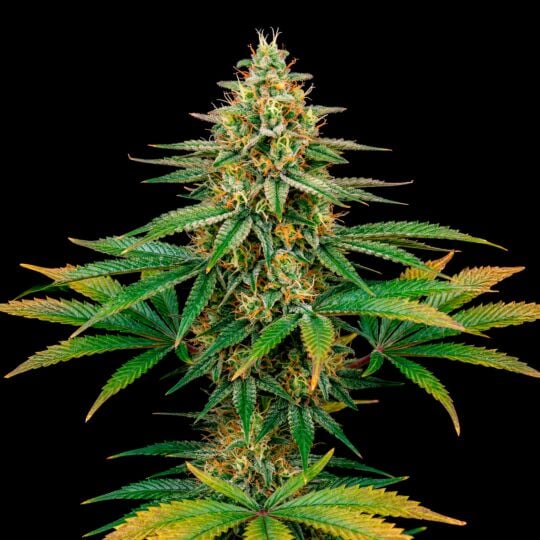 Acapulco Gold Feminized SeedsBestsellerBuy one get one free$59.00Variety: Mostly SativaTHC Content: High (15-20%)In stock
 - Fem
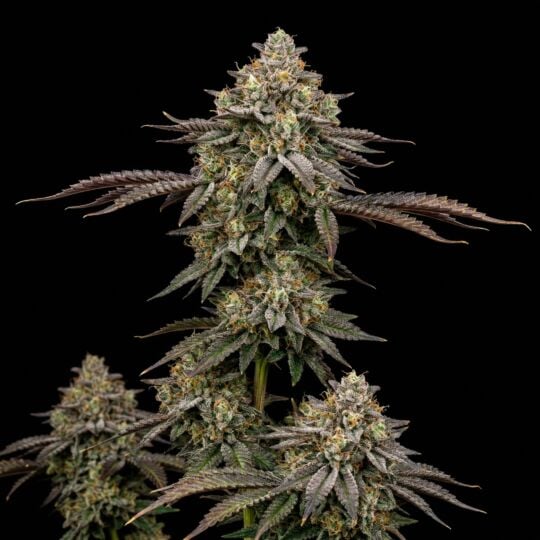 Godfather OG Feminized SeedsBestsellerBuy one get one free$59.00Variety: Mostly IndicaTHC Content: Very High (20-30%)In stock
 - Fem
 Lemon Cherry Gelato FeminizedBestsellerBuy one get one free$59.00Variety: HybridTHC Content: Very High (20-30%)In stock
 - Fem Sour Diesel Feminized SeedsBestsellerBuy one get one free$59.00Variety: HybridTHC Content: Very High (20-30%)In stock
- Auto GG 4 Autoflower SeedsBestsellerBuy one get one free$59.00Variety: HybridTHC Content: Very High (20-30%)In stock
- Fem Fruity Pebbles OG (FPOG) Feminized SeedsBestsellerBuy one get one free$59.00Variety: Mostly IndicaTHC Content: Very High (20-30%)In stock
- Fem Alaskan Thunderfuck Feminized SeedsBestsellerBuy one get one free$59.00Variety: Mostly SativaTHC Content: High (15-20%)In stock
- Fem White Widow Feminized SeedsBestsellerBuy one get one free$59.00Variety: HybridTHC Content: Very High (20-30%)In stock
- Fem Maui Wowie Feminized SeedsBestsellerBuy one get one free$59.00Variety: HybridTHC Content: High (15-20%)In stock
- Auto Green Crack AutoflowerBestsellerBuy one get one free$59.00Variety: Mostly SativaTHC Content: Very High (20-30%)In stock
- Auto White Widow Autoflower SeedsBestsellerBuy one get one free$59.00Variety: Mostly IndicaTHC Content: Very High (20-30%)In stock
- Auto OG Kush Autoflower SeedsBestsellerBuy one get one free$59.00Variety: HybridTHC Content: Very High (20-30%)In stock
- Auto Godfather OG AutoflowerBestsellerBuy one get one free$59.00Variety: Mostly IndicaTHC Content: Very High (20-30%)In stock
- Fem GG #4 Feminized SeedsBestsellerBuy one get one free$59.00Variety: HybridTHC Content: Very High (20-30%)In stock
- Fem Jet Fuel Gelato FeminizedBestsellerBuy one get one free$59.00Variety: HybridTHC Content: Very High (20-30%)In stock
- Auto Acapulco Gold Autoflowering SeedsBestsellerBuy one get one free$59.00Variety: Mostly SativaTHC Content: High (15-20%)In stock
- Fem Girl Scout Cookies Feminized SeedsBestsellerBuy one get one free$59.00Variety: HybridTHC Content: Very High (20-30%)In stock
- Auto Sour Glue AutoflowerBuy one get one free$59.00Variety: HybridTHC Content: Very High (20-30%)In stock
- Fem OG Kush Feminized SeedsBestsellerBuy one get one free$59.00Variety: HybridTHC Content: Very High (20-30%)In stock
- White Widow Regular SeedsBuy one get one free$59.00Variety: HybridTHC Content: Very High (20-30%)In stock
- Auto Khalifa Kush Autoflower SeedsBestsellerBuy one get one free$59.00Variety: Mostly IndicaTHC Content: Very High (20-30%)In stock
- Auto Power Plant AutoflowerBuy one get one free$59.00Variety: Mostly SativaTHC Content: High (15-20%)In stock
- Fem Dulce De Uva FeminizedBestsellerBuy one get one free$59.00Variety: HybridTHC Content: Very High (20-30%)In stock
- Auto Zkittlez Autoflower SeedsBuy one get one free$59.00Variety: HybridTHC Content: High (15-20%)In stock
- Fem LSD Feminized SeedsBestsellerBuy one get one free$59.00Variety: HybridTHC Content: Very High (20-30%)In stock