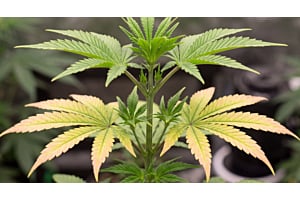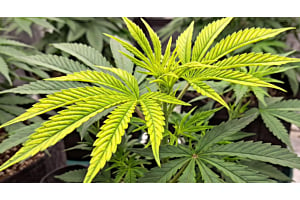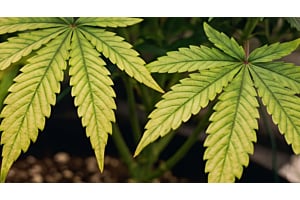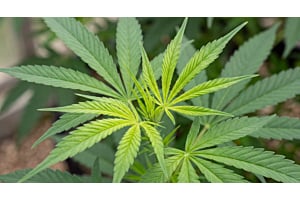
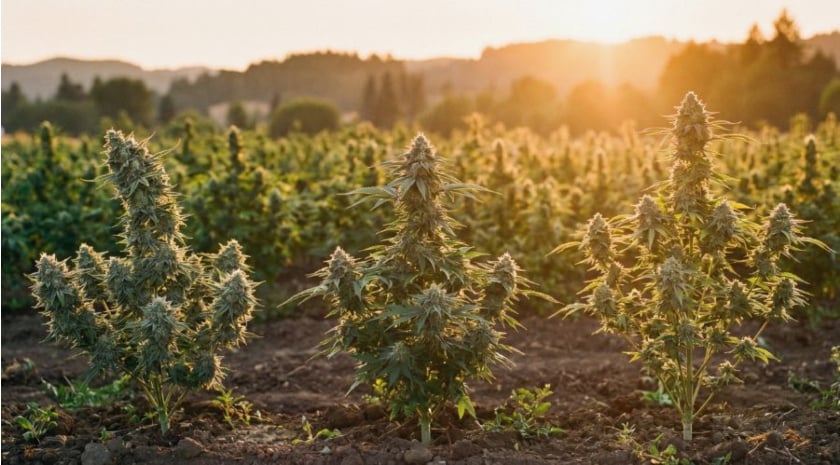
The best outdoor autoflower seeds complete a full cannabis life cycle in as little as 8 weeks, with most varieties finishing in 8-12 weeks, all without waiting for shorter daylight hours to trigger flowering. Autoflowering outdoor plants suit growers with short summers, unpredictable fall weather, or a single growing season per year.
This guide covers seven autoflower strains and seeds selected for outdoor performance, weather resilience, yield, potency, and finish time. Read through and you'll know exactly which genetics fit your climate, your season length, and your grow goals before you buy seeds.
What Makes the Best Outdoor Autoflower Seeds?
The best outdoor autoflower seeds combine automatic (age-based) flowering with mold tolerance, compact plant structure, and weather resilience. Outdoor conditions test genetics in ways an indoor tent never will. Wind snaps tall colas, damp nights trigger bud rot, and a cold snap in week six can stall a plant that would have finished fine inside.
Four traits separate strong outdoor autoflower cannabis seeds from indoor autos:
- Seed-to-harvest speed under 12 weeks. Autos that need 13-14 weeks to finish often miss the warm window in northern U.S. climates.
- Resin and structure that resist mold. Dense outdoor buds in humid climates need genetics bred for bud rot tolerance.
- Stress tolerance. Outdoor temperature swings, heavy rain, and sudden cold snaps test autoflowers hard because the fixed life cycle leaves no recovery window. Genetics with ruderalis resilience built in handle these conditions without stalling.
- Compact height. Short to medium plants stay discreet, resist wind damage, and suit container grows on patios or balconies.
Why Autoflowers Have a Natural Advantage Outdoors
Autoflower cannabis seeds flower based on age, not light cycle. That daylight independence removes the biggest constraint in outdoor growing — the seasonal light window. A photoperiod plant has to wait for days to shorten before it flowers, locking most U.S. growers into a single late-summer harvest. An autoflowering weed plant starts flowering automatically, regardless of whether it's May or July.
The ruderalis genetics that drive this trait also contribute to cold tolerance and compact structure. Most outdoor autos stay under 35-45 inches tall. They finish fast enough to allow two harvests per season in warmer climates, and one complete cycle in climates with just 10–12 frost-free weeks.
The Best Outdoor Autoflower Strains & Seeds: Top 7 Picks
The autoflowering cannabis seeds featured below earn their outdoor ranking on three traits the open sky tests hardest: speed, structure, and stress tolerance. Each pick below includes verified specs from our catalog:
- Blue Dream Autoflower — sativa-dominant, fast finish, short stature, daytime effects.
- Northern Lights Autoflower — indica-dominant, mold resistant, short and sturdy for exposed sites.
- Durban Poison Autoflower — pure sativa landrace, heavy yield, tall growth, energy-driven effects.
- Godfather OG Autoflower — mostly indica, medium height, 8–10 week cycle, above-average yields.
- White Russian Autoflower — White Widow x AK-47 lineage, medium height, relaxed-creative balance.
- Gorilla Glue #4 Autoflower — hybrid, short plant, above-average resin, earthy-gas flavor.
- Outdoor Autoflower Seed Mix — three outdoor-optimized autos in one pack for growers who want genetic diversity.
Blue Dream Autoflower
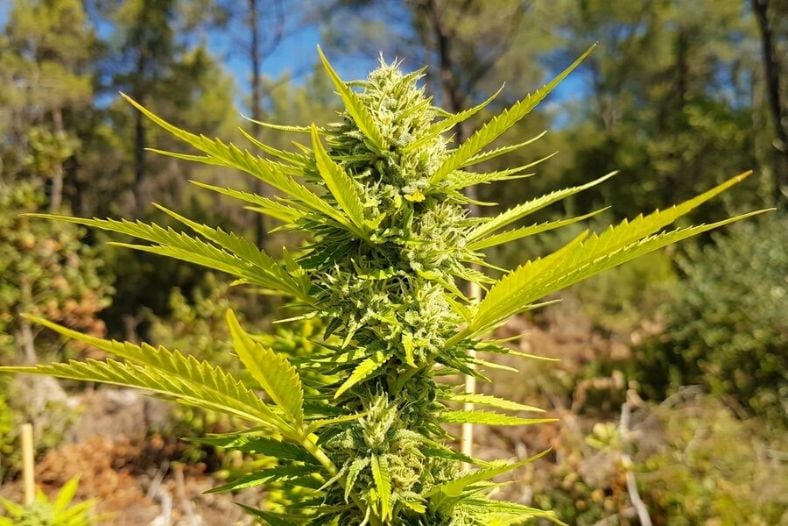
Blue Dream Auto seeds produce mostly-sativa hybrid plants with sweet berry flavors and an 8 to 9-week seed-to-harvest cycle. The genetics cross Blue Dream (itself a Blueberry x Haze hybrid) with ruderalis to create a daylight-independent version that keeps the original's uplifting effect profile.
THC content reaches the very high range (20–30%). Plants stay short, which keeps them less visible in backyard or patio grows and harder for wind to damage. The 8 to 9-week window means Blue Dream Auto can complete its cycle inside almost any U.S. summer. Flavors run sweet berry and citrus with earthy pine undertones.
| Spec | Detail |
| Genetics | Blue Dream x Ruderalis |
| Variety | Mostly Sativa |
| THC Content | Very High (20–30%) |
| Flowering Time | 8–9 weeks |
| Plant Height | Short |
| Yield | Above Average |
| Flavors | Berry, Citrus, Earthy |
Best for: growers in shorter-season regions who want a daytime, uplifting strain ready before fall rains.
Northern Lights Autoflower
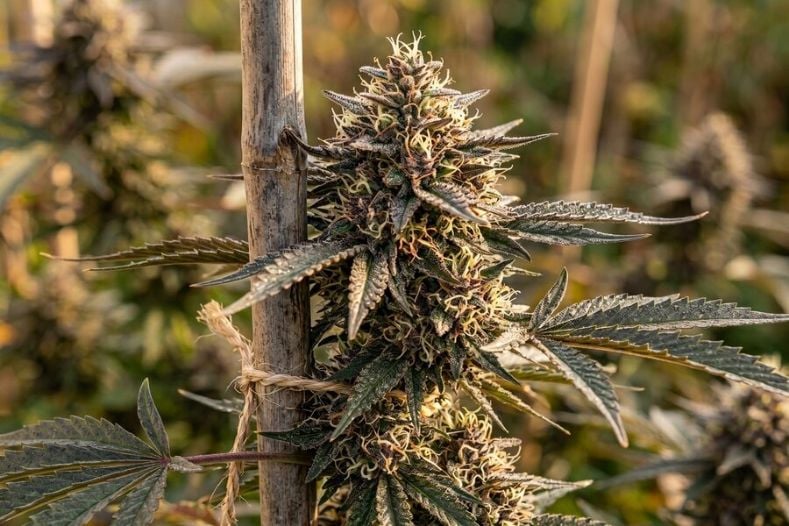
Northern Lights Autoflower offers a short, sturdy indica frame and natural resistance to fungus and mold, making it one of the most reliable choices for exposed outdoor sites. The strain descends from the original Northern Lights (a Thai x Afghani landrace cross that won the first High Times Cannabis Cup) and carries that resilience into an autoflowering format.
Plants stay short and bushy. They're harder to spot and harder for wind to knock around. THC content falls in the very high range (20–30%), and the deeply relaxing effects match the photoperiod original closely. The 8 to 10-week flowering window gives most U.S. climates a comfortable finish margin.
| Spec | Detail |
| Genetics | Northern Lights x Ruderalis |
| Variety | Hybrid |
| THC Content | Very High (20–30%) |
| Flowering Time | 8–10 weeks |
| Plant Height | Short |
| Yield | Average |
| Flavors | Earthy, Pine, Woody |
Best for: windy outdoor sites and beginner growers who want a proven mold-resistant auto with indica potency.
Durban Poison Autoflower
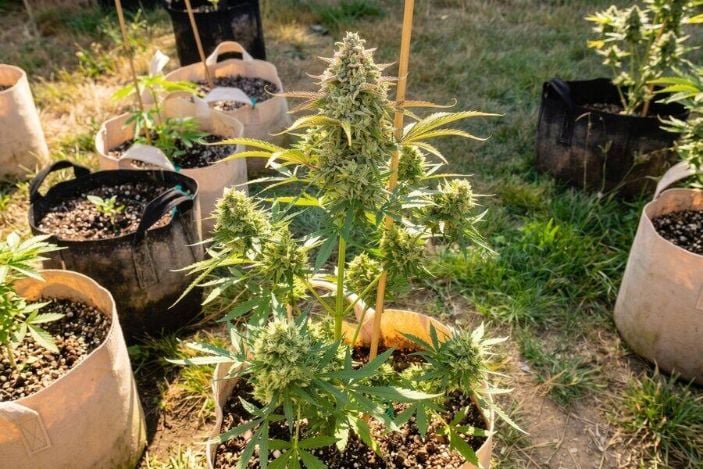
Durban Poison Autoflower cannabis seeds carry pure South African landrace sativa genetics into a 10 to 11-week autoflower cycle with heavy reported yields and strong mold resistance. The original Durban Poison was introduced to the global cannabis market in the late 1970s and has remained one of the few true pure-sativa landraces in wide commercial cultivation.
Plants grow tall, with significant vertical stretch driven by their sativa heritage. Growers with space and warm climates can expect heavy yields. The aroma profile centers on spicy, earthy, pine-forward notes with sweet vanilla and citrus on the back end. Durban Poison is often called the espresso of cannabis for its energizing daytime clarity and creative boost.
| Spec | Detail |
| Genetics | Pure Sativa Landrace x Ruderalis |
| Variety | Sativa |
| THC Content | Very High (20–30%) |
| Flowering Time | 10–11 weeks |
| Plant Height | Tall |
| Yield | Heavy |
| Flavors | Earthy, Herbal, Pine, Spicy |
Best for: humid-climate growers with space for a tall plant who want sativa effects and heavy outdoor yields.
Godfather OG Autoflower
Godfather OG Auto crosses Godfather OG with ruderalis to deliver very high THC potential on an 8 to 10-week cycle at medium height. The indica-dominant lineage provides a calming, relaxed effect profile with hungry and sleepy characteristics suited to evening use.
The terpene blend produces an earthy, woody base with notes of grape, pine and spice. These medium-sized plants fit well in most outdoor garden spaces and container setups. Above-average yields finish resinous and dense, with customer reviews noting strong bud stacking and impressive trichome production even at mid-flower.
| Spec | Detail |
| Genetics | Godfather OG x Ruderalis |
| Variety | Mostly Indica |
| THC Content | Very High (20–30%) |
| Flowering Time | 8–10 weeks |
| Plant Height | Medium |
| Yield | Above Average |
| Flavors | Earthy, Grape, Pine, Spicy, Woody |
Best for: outdoor growers who want a medium-height indica-dominant auto with above-average yields and evening-use effect profile.
White Russian Autoflower
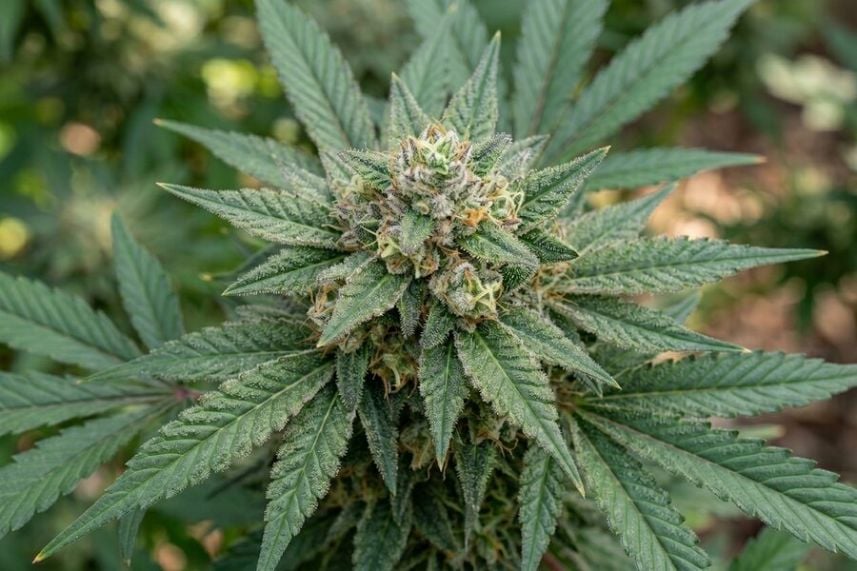
White Russian Auto seeds contain White Widow, AK-47, and ruderalis genetics to combine two of cannabis's most resilient genetic lines into an 8 to 10-week outdoor auto. White Widow brings resin density and stress tolerance; AK-47 contributes uplifting, creative effect character. Together they produce a mostly-indica hybrid that holds up well in variable outdoor conditions.
The aroma runs earthy and woody with spicy, sweet and herbal notes from a terpene profile of myrcene, caryophyllene, pinene, limonene and linalool. Effects balance relaxation with a creative, uplifted edge — a profile that suits afternoon use without full couch-lock. Medium height keeps the strain manageable in container grows or garden beds.
| Spec | Detail |
| Genetics | White Widow x AK-47 x Ruderalis |
| Variety | Mostly Indica |
| THC Content | Very High (20–30%) |
| Flowering Time | 8–10 weeks |
| Plant Height | Medium |
| Yield | Average |
| Flavors | Earthy, Herbal, Pine, Spicy, Sweet, Woody |
Best for: growers who want a resin-heavy, resilient auto with balanced effects and manageable height.
Gorilla Glue #4 Autoflower
GG #4 Autoflower combines the award-winning hybrid genetics of Gorilla Glue #4 with ruderalis to produce a short, fast-finishing auto with above-average resin output. The original GG4 crossed Chem's Sister, Chocolate Diesel and Sour Dubb (a combination that took first place at the 2014 Los Angeles and Michigan Cannabis Cup).
The autoflower version keeps that potency in a plant that stays under 40 inches. THC content runs very high (20–30%), and the flavor profile delivers earthy, citrus and gas notes that reflect the diesel-forward parent genetics.
The short plant frame and 8 to 10-week cycle make this one of the easier outdoor autos to fit into a patio grow or a backyard with limited space. Growers chasing a quick turnaround often pair this with other fast-growing marijuana seeds for back-to-back outdoor cycles.
| Spec | Detail |
| Genetics | GG4 x Ruderalis |
| Variety | Hybrid |
| THC Content | Very High (20–30%) |
| Flowering Time | 8–10 weeks |
| Plant Height | Short |
| Yield | Above Average |
| Flavors | Citrus, Earthy, Gas |
Best for: growers with limited space who want an award-winning hybrid with strong resin density and a short outdoor footprint.
Outdoor Autoflower Seed Mix
Outdoor Autoflower Seed Mix bundles three outdoor-optimized autos (Blue Dream Auto, Durban Poison Auto and Khalifa Kush Auto) in one pack specifically selected for natural sunlight performance and weather adaptability.
The mix gives outdoor growers genetic diversity across sativa, sativa-dominant and indica-dominant varieties in a single order. The pack comes in 6, 12, 24 and 36-seed sizes with a 4.6-star average across 212 reviews.
| Strain in Mix | Variety | THC | Flowering |
| Blue Dream Auto | Mostly Sativa | Up to 20% | 8–9 weeks |
| Durban Poison Auto | Pure Sativa | Up to 20% | 10–11 weeks |
| Khalifa Kush Auto | Mostly Indica | Up to 29% | 8–10 weeks |
Best for: outdoor growers who want one purchase to cover sativa, hybrid and indica-leaning effects across a full season, or those running multiple sites.
How Do Outdoor Autoflowers Compare to Photoperiod Seeds?
Outdoor autoflowers and outdoor photoperiod seeds answer two different outdoor questions: how fast and how big. Autoflowers run on a fixed internal clock, finishing in 8-12 weeks from seed to harvest (with some varieties finishing in up to 14 weeks) regardless of daylight.
Photoperiod plants from feminized cannabis seeds wait for shortening daylight to trigger flowering, which means longer vegetative growth, larger final plants and bigger yields per plant — but a single late-season harvest tied to fall light.
| Trait | Outdoor Autoflower Seeds | Outdoor Feminized Photoperiod Seeds |
| Seed-to-harvest timeline | 8–12 weeks | 16–24 weeks |
| Yield per plant | 50–200 grams typical | 300–1000+ grams typical |
| Plant height |
Short to medium (Under 50 inches) |
Medium to very tall (Up to 9+ feet) |
| Harvests per season | 2–3 possible in long climates | 1 (late summer / early fall) |
| Daylight requirement | Long hours throughout cycle | Long days for veg, short days for flower |
| Best for | Short seasons, stealth, fast turnarounds | Long seasons, max yields per plant |
Growers weighing the trade between season length and final harvest weight should read the deeper autoflower vs feminized seeds breakdown before committing to a plan.
Tips for Growing Autoflowers Outdoors
Growing autoflower cannabis seeds outdoors rewards growers who plan ahead and avoid common mistakes. The biggest difference from photoperiod growing is that autos give you no recovery window. A week of stress at the wrong moment can cut into your final yield in ways that simply can't be corrected before harvest.
Start in the Right Container
Autoflower cannabis seeds do best when germinated directly into their final container. Transplanting stresses the root system at a stage when the plant has no time to recover. Use at minimum a 3-gallon fabric pot; 5-gallon is better for autos that run 10 weeks or longer.
Match the Strain to Your Season
Check the seed-to-harvest window of each strain against your local frost-free dates before you order. An 8 to 9-week strain like Blue Dream Auto finishes inside almost any U.S. summer; a 10 to 11-week strain like Durban Poison Auto needs a longer window. Plant too late and the cycle runs into fall rains when bud rot risk peaks.
Don't Overwater or Over-Feed
Autoflowers are smaller than photoperiod cannabis plants and consume less water and nutrients. Overwatering is the most common mistake with outdoor autos — soggy roots slow growth and invite root rot. Let the top inch of soil dry out between waterings. Start nutrients at half the recommended dose and increase only if the plant shows deficiency signs.
Avoid High-Stress Training
Topping, fimming and other high-stress training (HST) techniques remove plant material that autos can't afford to lose. Low-stress training (LST) — bending and tying stems rather than cutting them — is the preferred method for outdoor autos. LST opens the canopy to light and improves bud site exposure without setting the plant back.
Common Mistakes to Avoid
- Transplanting seedlings instead of starting in the final container.
- Planting before the last frost date or before soil temps reach 65°F.
- Placing the plant in partial shade — outdoor autos need maximum direct sun.
- Feeding at full photoperiod nutrient doses.
- Using HST methods like topping on plants past week 3.
When Should You Plant Autoflowers Outdoors?
Autoflower cannabis seeds go outside after the last frost and once soil temperatures hold around 65°F (18°C). In most U.S. climates, that means late April in the South, mid-May through early June in the Midwest and Northeast, and similar mid-spring windows on the West Coast. Plant earlier and a late frost can kill seedlings; plant too late and the cycle finishes during fall rains when bud rot risk peaks.
The autoflower advantage is timing flexibility. Because autos don't wait for short daylight to flower, a grower in a warm-summer climate can plant a second round in early-to-mid July and still harvest before frost. In cooler climates with shorter summers, one autoflower cycle planted in late May usually finishes in August or early September.
Match the strain timeline to your climate window before you order. A 10 to 11-week strain needs at least 12 frost-free weeks to finish with any margin. An 8 to 9-week strain gives you room to plant later or stack a second cycle.
Where to Buy Outdoor Autoflower Cannabis Seeds
Eligible adult buyers can buy outdoor-friendly autoflower cannabis seeds with a germination guarantee and discreet U.S. shipping from Seed Supreme. Our autoflower catalog includes filters for THC level, flavor, yield, and CBD content that help narrow the selection to outdoor-suited picks quickly.
All marijuana seeds for sale ship from our U.S.-based warehouse with free shipping on orders over $90. As an added bonus, free cannabis seeds are also included at $50, $100, $150 and $200 spend tiers. Remember to always check federal, state, and local laws before germinating any cannabis seeds where cultivation is permitted.
FAQs About the Best Outdoor Autoflower Seeds and Strains
Still have a question about the best outdoor autoflowers? Here are some quick answers.
Can Autoflowers Survive Outdoors All Summer?
Yes, outdoor autoflowers survive a full summer in most U.S. climates once daytime temperatures hold between 70 and 85°F and nighttime temperatures stay above 55°F. Make sure soil temperatures have reached at least 65°F before planting.
How Many Outdoor Autoflower Harvests Can You Get Per Season?
Two outdoor autoflower harvests per season are realistic in warm-summer climates like the South, lower Midwest and California. Three becomes possible in southern climates with long, frost-free seasons where the first batch goes in by early April. Cooler climates with shorter summers usually allow just one full cycle. The strain's seed-to-harvest window decides how aggressive the multi-harvest plan can be.
Do Outdoor Autoflowers Need Less Light Than Indoor Autoflowers?
No, outdoor autoflowers need just as much light as indoor autoflowers — the difference is the source. Indoor autoflowers can run on 18-24 hours of artificial light per day. Outdoor autoflowers depend on long summer daylight, which delivers around 14-16 hours of direct and indirect light across most U.S. summer locations. Plant outdoor autos where they get the most direct sun possible.
What Is the Best Climate for Outdoor Autoflower Seeds?
The best climate for outdoor autoflower seeds is warm-temperate with 70–85°F daytime highs, low to moderate humidity during late flowering, and at least 12 weeks of frost-free weather. Mediterranean climates and inland warm summers fit the profile best. Humid coastal regions need strains bred for mold resistance like Northern Lights Auto or Durban Poison Auto; very short-season regions need fast finishers like Blue Dream Auto.
Are Outdoor Autoflower Seeds Better Than Feminized Photoperiod Seeds Outdoors?
Neither seed type is universally better outdoors — the right choice depends on season length and harvest goals. Autoflower seeds finish faster and allow multiple cycles per summer but produce smaller plants and lower yields per plant. Feminized photoperiod seeds need a longer growing window but produce much larger plants with much bigger yields. Short seasons favor autos; long seasons with patience favor feminized photoperiods.