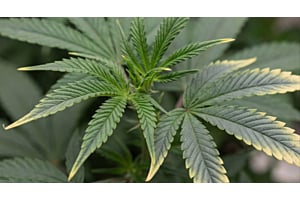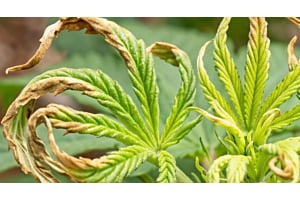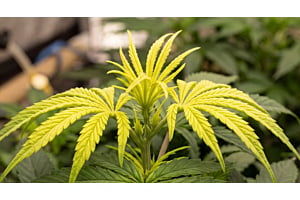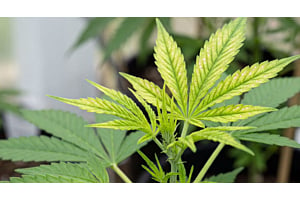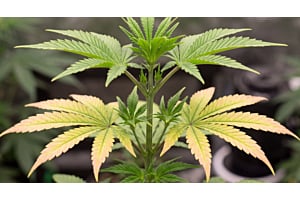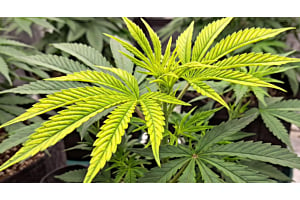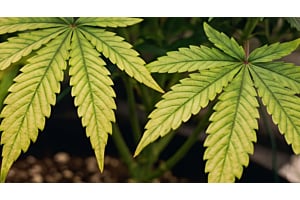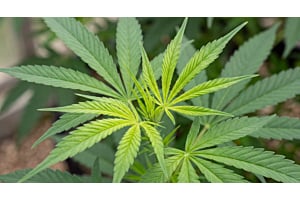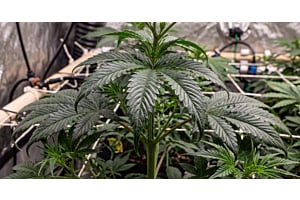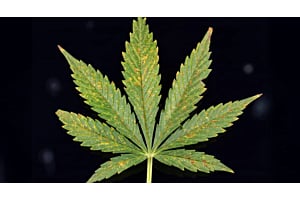
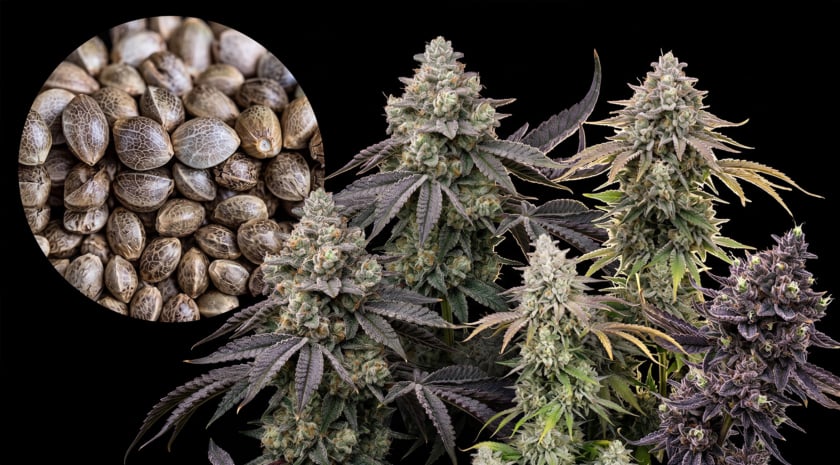
Photoperiod cannabis seeds grow into plants that flower in response to changes in light cycle. They are the classic seed type behind most cannabis cultivation, and they give growers direct control over how long plants stay in vegetative growth before flowering.
This guide explains how photoperiod seeds work, how they differ from autoflower seeds, what feminized photoperiods offer and how to choose the right genetics for indoor or outdoor setups. By the end, you will know which photoperiod cannabis seeds match your space, your timeline, and your grow style.
What Are Photoperiod Cannabis Seeds?
Photoperiod cannabis seeds grow into plants that flower when daily light hours drop below a threshold. They are also called photo seeds, and they make up the original seed category that all modern cannabis genetics descend from.
Photoperiod cannabis plants stay in vegetative growth for as long as they receive 18 or more hours of light per day. When light drops to around 12 hours, the plants shift into flowering and start producing buds.
The key trait of photoperiod cannabis seeds is grower control over flowering timing. Indoor growers manually switch the light schedule from 18/6 to 12/12 when they want flowering to begin, which is called the "flip." Outdoor growers rely on shortening late-summer days to trigger the same response.
This light-dependent flowering is what distinguishes photoperiod seeds from autoflower seeds, which flower based on age instead of light.
How Do Photoperiod Cannabis Seeds Work?
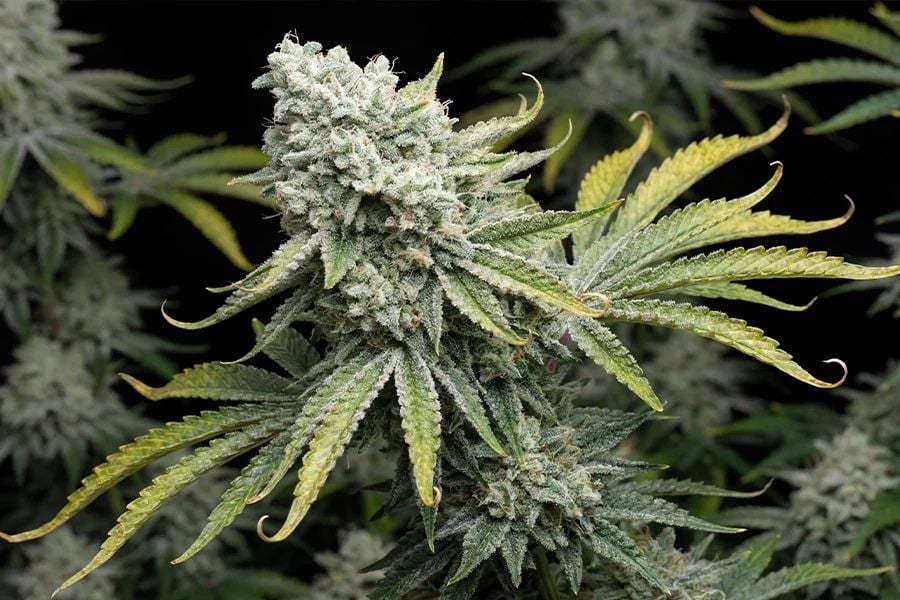
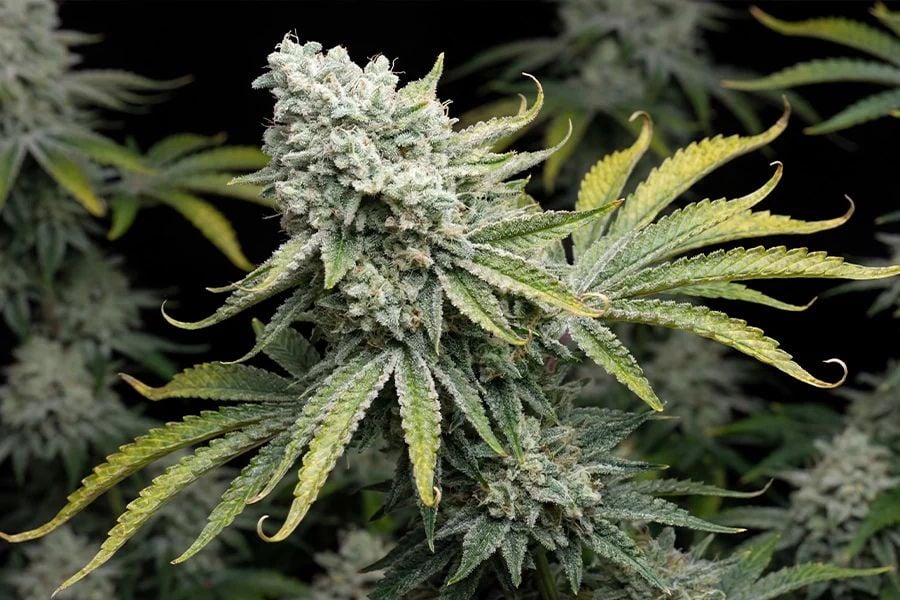
Photoperiod cannabis seeds respond to the length of uninterrupted darkness in each 24-hour cycle. The plants measure how long the dark period lasts and use that signal to decide whether to keep growing leaves or to start growing flower clusters.
When darkness reaches roughly 12 hours per day, the flowering hormone activates and the plant shifts into the bud-producing stage.
Indoor growers use timers to give photoperiod cannabis plants 18 hours of light during vegetative growth and 12 hours of light during flowering. The 12/12 schedule mimics late-summer day length and tells the plant it is time to flower.
Outdoor growers in the United States usually plant photoperiod weed seeds in spring, let the plants stretch through summer and harvest in early fall when natural light hours fall under 12. Different photoperiod genetics need slightly different trigger thresholds, but 12/12 works as the standard reference.
Photoperiod Cannabis Seeds vs Autoflower Cannabis Seeds
Photoperiod cannabis seeds and autoflower cannabis seeds are both cannabis seed categories, but they flower under different triggers. Photoperiod seeds flower when light hours drop. Autoflower seeds flower based on age rather than light schedule, ripening on a fixed timeline of roughly 8 to 13 weeks from germination. This single difference changes how each seed type fits into a grow plan.
Photoperiod cannabis seeds give the grower direct control over vegetative time, plant size and harvest scheduling. A photoperiod cannabis plant can stay in veg for weeks or months and grow into a large, high-yield plant before the flip. Autoflower cannabis seeds finish faster from seed to harvest, but the grower cannot extend the veg stage, and the final plants tend to be smaller.
Buyers who want maximum yield, training techniques like topping or SCROG, and full control over the timeline usually pick photoperiod cannabis seeds. Buyers who want a faster, simpler harvest often pick autos.
For a deeper side-by-side, see this guide on feminized vs autoflower seeds. Growers who decide autoflowers fit their setup better can browse autoflower weed seeds directly.
What Are Feminized Photoperiod Cannabis Seeds?
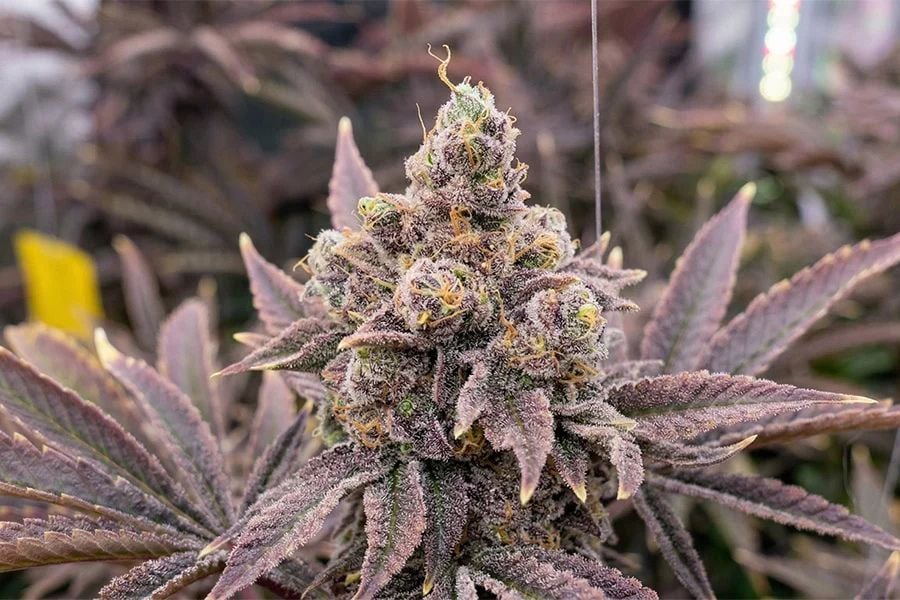
Feminized photoperiod cannabis seeds produce female plants virtually every time. They are produced by inducing a female plant to make pollen that carries only X chromosomes, so the resulting seeds reliably grow into bud-producing females.
This solves the main downside of regular photoperiod seeds, which produce a roughly 50/50 split of male and female plants and force the grower to identify and remove males during early flowering.
Most modern photoperiod cannabis seeds sold to home growers are feminized. The fem version keeps every other photoperiod trait - light-triggered flowering, longer veg control, larger plants, training-friendly structure - while taking the sex-identification work off the grower's hands.
Buyers who want the photoperiod control benefits without the male-plant guesswork should look at feminized weed seeds in the photoperiod category. Regular photoperiod cannabis seeds still exist, but they sit mainly in the breeder-and-pheno-hunter market because they are needed to make seeds.
How to Choose the Best Photoperiod Cannabis Seeds
Buyers choose the best photoperiod cannabis seeds by matching the genetics to their setup, their timeline and their experience level. The selection comes down to three practical questions: how fast do you want flowering to finish, what space are you growing in and how much hands-on management do you want.
Each photoperiod cultivar handles these questions differently, so the right pick depends on the grower's specific conditions. Below, we cover the most common selection paths:
- Fast flowering photoperiod cannabis seeds - for growers who want shorter flowering windows without switching to autoflower
- Photoperiod genetics for indoor setups - for growers using grow tents, sealed rooms or strict light schedules
- Photoperiod genetics for outdoor setups - for growers relying on natural sunlight and seasonal light shifts
Fast Flowering Photoperiod Cannabis Seeds
Fast flowering photoperiod cannabis seeds finish flowering in 7-8 weeks instead of the standard 9-11 weeks. They are bred from indica-dominant or short-cycle genetics that complete bud development faster while keeping photoperiod control over the flip.
The trait suits indoor growers who want more harvests per year and outdoor growers in northern U.S. states with short growing seasons.
Fast flowering photo seeds are not the same as autoflowers. They still need the 12/12 light cycle to start flowering — they just finish the flowering stage faster once it begins. The yield per plant is usually similar to standard photoperiods because vegetative growth can still be extended.
Many fast-flowering genetics also pair well with high-yield weed seed selections, since the shorter flowering window leaves more room in the calendar for plant size.
Photoperiod Genetics for Indoor Setups
Indoor photoperiod cannabis seeds work best with strict light control, contained vertical space and consistent room temperature. The best indoor picks tend to be compact, indica-leaning or hybrid cultivars that hold their shape in a tent and respond well to training. Sativa-heavy photoperiod cultivars stretch a lot after the flip and can outgrow tents under 5 feet, so most indoor growers favor indica-dominant photoperiods or balanced hybrids.
First-time indoor growers should start with hardy, forgiving photoperiod genetics that handle small mistakes in watering, feeding or temperature. The catalog of marijuana seeds for beginners groups these strains together to make the choice easier.
Standard 18/6 vegetative schedules followed by a clean flip to 12/12 give photoperiod weed plants the predictable flowering signal they need.
Photoperiod Genetics for Outdoor Setups
Outdoor photoperiod cannabis seeds rely on natural seasonal light shifts to trigger flowering. In most of the United States, plants are typically planted in late spring, grow through the long days of summer, and are harvested in late September or October as daylight drops below 12 hours. With full sun and no indoor height limits, outdoor photoperiod plants can also grow much larger than their indoor counterparts.
Sativa-dominant photoperiod cultivars often fit outdoor setups well because they handle the longer veg time and finish harvesting before frost in most temperate U.S. zones.
Indica-dominant photoperiod cultivars finish earlier in the fall, which suits northern growers worried about early cold. The right pick depends on local climate, frost dates and how late in the season the strain finishes flowering.
How Photoperiod Cannabis Seeds Fit With Other Seed Types
Photoperiod cannabis seeds sit alongside autoflower and regular seeds in a grower's seed catalog. Each seed type serves a different buyer goal, and most growers end up using more than one over time.
Photoperiod cannabis seeds suit growers who want control, scale and flexibility. Autoflower seeds suit growers who want speed and simplicity. Regular photoperiod seeds suit breeders and pheno-hunters who need both sexes for genetic work.
Strain family is a separate axis from seed type. Photoperiod cannabis seeds come in indica seeds, sativa seeds and hybrid expressions, and the strain family affects plant shape, flowering time and aroma profile more than the seed type does.
Eligible adult buyers comparing the full catalog can browse all cannabis seeds on Seed Supreme to filter by seed type, strain family and trait.
Photoperiod Cannabis Seeds FAQ
Are Photoperiod Cannabis Seeds Harder to Grow Than Autoflowers?
Photoperiod cannabis seeds need more active light schedule management than autoflowers, but they are not harder to grow once the schedule is set. The grower adds one step (the flip to 12-12) and removes another (waiting for age-based flowering). Most home growers find the extra attention pays off in bigger plants and larger harvests.
What Does "Photoperiod" Mean in Cannabis Seeds?
"Photoperiod" refers to the daily ratio of light to darkness a plant receives. Photoperiod cannabis seeds grow into plants that change behavior based on that ratio. Long light hours keep the plant in vegetative growth, and short light hours trigger flowering.
Can You Grow Photoperiod Cannabis Seeds Outdoors Year-Round?
Photoperiod cannabis seeds cannot complete a full lifecycle outdoors year-round in most of the U.S. mainland. They need a long-day veg season followed by a short-day flowering season to finish properly. Freeze risk and shortening winter daylight limit outdoor cultivation to roughly April through October in most regions.
How Long Do Photoperiod Cannabis Seeds Take From Seed to Harvest?
Photoperiod cannabis seeds typically take 3 to 5 months from germination to harvest indoors, and longer outdoors where veg time follows the season. A short veg of 4 weeks plus an 8-week flowering window gives a 3-month indoor cycle. Fast flowering genetics can shave 2-3 weeks off the flowering window.