

Feminized Weed Seeds
Feminized seeds grow into bud-bearing female cannabis plants for potent, aromatic yields. Seed Supreme stocks hundreds of high-quality feminized weed seeds across indica, sativa, and hybrid categories. Filter by variety, THC, yield, effects, and more to find the best feminized cannabis seeds — with guaranteed germination and fast, free US shipping on $99+ orders.
What Are Feminized Cannabis Seeds?
Feminized seeds are cannabis seeds bred to produce female plants 99% of the time — with the resin-rich, cannabinoid-loaded buds growers actually want at harvest. Unlike regular seeds, each feminized weed seed grows into a productive, bud-bearing plant.
Feminized vs Fast Version vs Autoflowering Cannabis Seeds
Feminized, fast version, and autoflowering seeds are all feminized, but fall into separate categories based on how flowering is triggered and flowering length.
As photoperiods, standard fem seeds and fast versions need a light cycle change to flower, though fast versions finish quicker. Feminized autoflower seeds have a shorter total life cycle and bloom based on age alone.
| Aspect | Feminized Seeds | Fast Version Seeds | Autoflowering Seeds |
| Plant type | Photoperiod | Photoperiod | Autoflowering |
| Flowering trigger | Light cycle change to 12/12 (indoors)Longer nights (outdoors | Light cycle change to 12/12 (indoors)Longer nights (outdoors | Automatic based on plant age |
| Avg. flowering time | 8–10 weeks (indica)10–12 weeks (sativa) | 6–8 weeks | 8–10 weeks (indica)10–12 weeks (sativa)From seed to harvest |
| Plant size/yield potential | Largest | Slightly smaller | Smallest |
| Control over veg time | Full control (indoors) | Full control (indoors) | Fixed, no control |
| Best for | Maximum yield and size | Quicker harvests, same control | Fast, low-maintenance grows, multiple harvests |
Autoflowering feminized seeds work well for beginners, small spaces, and short outdoor seasons since they grow compact and finish quickly. Feminized seeds suit growers with more space and time who want maximum yields and full control. Fast version (or fast-flowering) seeds are ideal for shorter seasons and quicker yields without giving up light-cycle control.
Feminized Indica, Sativa and Hybrid Weed Seeds
Feminized seeds come in indica, sativa, and hybrid genetics, each shaping plant growth and effects differently. Indica seeds tend to grow short and bushy with a heavier, more relaxing effects profile, while sativa weed seeds stretch tall and lanky with a more cerebral, energizing profile. Hybrid seeds combine both indica and sativa traits, landing anywhere on the spectrum depending on the strain’s specific genetics.
How Do Feminized Cannabis Seeds Differ From Regular Seeds?
Feminized seeds carry only XX chromosomes, so they grow into female weed plants, while regular seeds carry XX or XY chromosomes, producing roughly 50/50 male and female plants.
Feminized marijuana seeds look identical to regular seeds — the difference lies in the genetics.
With regular weed seeds, growers wait through germination, seedling, and early vegetative growth before plants reveal their sex in pre-flower. Any males are identified and pulled before they pollinate nearby females. If this happens, the female diverts its energy into making seeds, meaning diminished potency, yields, and seeded buds.
With fem seeds, you skip that step entirely. Every plant heads toward bud production from day one. There’s no plant-sex identification step and no wasted space. That reliability is why feminized weed seeds are the go-to choice for most home growers, while regular seeds are more for breeders creating new hybrids.
How Are Feminized Weed Seeds Produced?
Feminized weed seeds are produced by stressing a genetically female plant into producing male pollen and then using that pollen to fertilize another female plant. Because both parents are genetically female, the resulting seeds carry only XX chromosomes and grow into female plants 99% of the time.
Four methods are commonly used, three of which dominate commercial breeding:
- Colloidal silver — a silver-particle spray that forces a female plant to grow male pollen sacs.
- Silver thiosulfate (STS) — the most reliable method and the standard for commercial breeding.
- Gibberellic acid (GA3) — a plant hormone sprayed on female plants before flowering to induce male flowers.
- Rodelization — a chemical-free stress method that’s less reliable and used mostly by hobbyist breeders.
Colloidal Silver for Feminizing Cannabis Seeds
Colloidal silver is a solution of silver particles in water that blocks the ethylene signaling pathway in female cannabis plants. Ethylene is the hormone responsible for female flower development, so disrupting it pushes the plant to grow male pollen sacs instead.
Breeders lightly spray the solution on a target branch or a whole plant once daily, starting in late vegetative growth and continuing for about two to three weeks into early flowering.
The treated branch develops banana-shaped male reproductive structures. Once those structures release pollen, breeders collect it and use it to fertilize another untreated female plant. Because the pollen comes from a genetically female donor, every weed seed produced is female and carries only the XX chromosome.
STS for Feminizing Cannabis Seeds
STS is a silver thiosulfate solution that disrupts ethylene signaling more aggressively than colloidal silver and produces higher pollen yields per plant. STS is the standard for commercial breeding operations because it requires fewer applications than colloidal silver, typically a light initial spray followed by a follow-up about a week later.
The mechanism is identical. Silver disrupts the ethylene signaling pathway and the cannabis plant compensates by producing male flowers. Growers should never smoke buds from a plant treated with STS or colloidal silver. The treated material is for seed production only, not for consumption.
Gibberellic Acid (GA3) for Feminizing Cannabis Seeds
Gibberellic acid is a naturally occurring plant hormone that inhibits ethylene production when sprayed on a female weed plant before flowering, prompting that plant to grow viable male flowers.
GA3 is sprayed lightly on the tops of the plant for a few consecutive days before the light cycle is switched to flowering. Male flowers appear within roughly two weeks and release pollen a couple of weeks after that. GA3 is used commercially alongside silver-based methods and avoids the silver residue concern.
Rodelization for Feminizing Cannabis Seeds
Rodelization is a chemical-free method that pushes an unpollinated female plant past her normal harvest window until stress triggers late-stage male flowers. Those flowers release pollen that fertilizes the same plant or a neighboring female, producing feminized marijuana seeds without any chemical input.
Rodelization avoids the silver residue concern and doesn't require specialized inputs, which makes it popular with hobbyist breeders. The trade-off is that pollen yields are low and the offspring inherit a strong tendency to hermaphrodite under stress, because the parent was selected precisely for that trait.
What Are the Advantages of Feminized Marijuana Seeds?
Feminized marijuana seeds give growers a predictable female-only crop, lower seed waste, simpler grow planning, and more usable canopy space. Every advantage traces back to the chromosomal certainty. When you know every seed is female, the entire grow workflow simplifies.
- Predictable canopy — every plant counts toward yield, so growers can plan tent space, pot count, and nutrient demand without buffer plants.
- No early-flower sexing — no need to inspect every plant for pre-flowers and pull males during the first week of bloom.
- Lower seed waste — paying for five fem seeds means five bud-producing plants, not two or three.
- Broader strain access — most modern hybrids release first (or only) in feminized form, so the fem catalog is often larger than the regular catalog.
The cost per seed is similar (whether fem or regular), but for yield-focused growers, the cost per female plant is meaningfully lower because nothing gets culled.
Are Feminized Seeds Good for Beginners?
Yes, feminized cannabis seeds are the most common starting point for beginner growers because they remove the need to identify and cull male plants in early flowering. New growers are still learning to read leaf signals, manage watering, and dial in light schedules. Sexing plants on top of that workload means there’s more risk of mistakes.
Skip that step and the grow instantly becomes simpler. That’s why most marijuana seeds for beginners are feminized and specifically chosen for resilience — a safe start for new growers.
Are Feminized Cannabis Seeds 99% Guaranteed Female?
Yes, feminized seeds from reputable breeders and seed banks grow into female cannabis plants in roughly 99% of cases. No serious breeder or seed bank claims 100%, because rare genetic variation and stress-induced hermaphroditism can still produce a small percentage of male flowers or intersex traits in any cannabis crop.
The 99% number is the honest industry-standard expectation from properly bred fem stock. The remaining ~1% risk is split between two outcomes: A rare true male plant that slips through the breeding process or a hermaphrodite — a genetically female plant that develops some male pollen sacs under stress.
Both outcomes are manageable when growers inspect plants regularly during early flowering and remove anything showing male pollen sacs before pollen releases.
Can Feminized Cannabis Plants Become Hermaphrodites?
Yes, feminized cannabis plants can become hermaphrodites when stress triggers pollen sacs on a genetically female plant. When the plant senses an environmental threat, it can develop male flowers alongside its female flowers, and the pollen those male flowers release can fertilize the plant itself or its neighbors. The trigger is almost always grower-controllable.
Common stress triggers include:
- Light leaks during the dark period.
- Sudden temperature swings.
- Nutrient deficiencies or toxicities.
- Severe overwatering or underwatering.
- Physical damage from late-flower training.
- Irregular light schedules.
Stable conditions through flowering usually keep hermaphroditism at bay.
Inspect feminized plants twice a week from the start of the third week of flowering. Look for small yellow banana-shaped structures hidden inside flower clusters near the main stem. If you find one, remove it cleanly and check the whole plant. A single missed pollen sac can seed an entire tent.
How to Choose the Best Feminized Seeds
Choosing the best feminized seeds comes down to matching strain genetics, flowering time, plant height, yield class, and cannabinoid profile to your space, climate, and goals.
Indoor growers with limited space prioritize indoor seeds with manageable plant heights, faster flowering times, and rewarding yields. Traits like resilience, adaptability, finishing date, climate fit, and larger plant sizes are worthy considerations for choosing the best feminized seeds for outdoor growing.
There are some handy selection filters available on this page to help you choose the best feminized seeds suited to your goals, setup, and preferences:
- Variety: indica, mostly indica, hybrid, mostly sativa, and pure sativa.
- THC content: minimum (0–5%), low (5–10%), medium (10–15%), high (15–20%), very high (20–30%), and extremely high (over 30%).
- CBD content: Low (0–1%), medium (1–5%), high (5–10%), and extremely high (over 20%).
- Yield class: light, average, above average, heavy, and very heavy.
- Plant height: short, medium, tall, and very tall.
- Effects and flavors: terpene-driven preference rather than genetics-driven.
Some of the Best Feminized Weed Seeds at Seed Supreme
Some of the best feminized seeds available at Seed Supreme include categories like high-yielding seeds, high THC seeds, best selling seeds, high CBD seeds, and hybrid seeds.
Each category solves a different priority for growers:
- High-yielding weed seeds: Bred for maximum harvest weight per plant.
- High THC pot seeds: For growers after stronger potency per bud.
- Best selling cannabis seeds: Proven performers with a track record among growers.
- High CBD marijuana seeds: High-CBD-low-THC genetics for a milder experience.
How Do You Grow Feminized Weed Seeds?
Feminized weed seeds grow on the same seed-to-harvest cycle as regular photoperiod weed seeds, with one light schedule for vegetative growth and a switched schedule for flowering. The total cycle from germination to harvest runs for roughly 3 to 5 months, depending on strain genetics and environment.
You can grow feminized seeds indoors, outdoors or in a greenhouse — the genetics work in all three settings:
- Indoor grows — full environmental control, year-round harvests, predictable yields.
- Outdoor grows — natural sunlight, larger plants, single harvest per season.
- Light schedule — 18/6 for vegetative growth, 12/12 to trigger flowering.
Growing Feminized Cannabis Seeds Indoors
Feminized cannabis seeds grown indoors give you full control over light, temperature, and humidity from germination through harvest. A standard indoor setup uses a tent or grow room with LED or HID lighting, intake and exhaust fans, a thermometer-hygrometer combo, and pots with quality cannabis soil or coco coir.
Temperatures stay around 70–77°F through the cycle. Humidity starts high for seedlings (65–70%), drops to 50–65% during vegetative growth, and drops again to 40–55% during flowering to protect dense buds from mold. Indoor growers harvest multiple cycles per year because the schedule is fully programmable.
Growing Feminized Cannabis Seeds Outdoors
Feminized cannabis seeds grown outdoors flower in response to shortening daylight as summer turns to autumn. Plant your seedlings outside after the last local frost (typically April through June depending on the region). They’ll stay in vegetative growth through the long-daylight months.
As days shorten and nights get longer in August and September, that period of long uninterrupted darkness triggers flowering naturally.
Most outdoor harvests fall between late September and early November depending on strain and climate. Outdoor plants get larger than indoor plants because root space and sunlight are unlimited, so yields per plant tend to be heavier.
Climate matters — humid late-season weather raises mold risk on dense indica-leaning buds, so growers in wet regions favor mold-resistant sativa-leaning hybrids or fast-finishing strains.
The Light Schedule for Feminized Photoperiod Seeds
The plants from feminized photoperiod cannabis seeds follow an 18/6 light schedule during vegetative growth and a 12/12 schedule to trigger flowering. The shift from 18/6 to 12/12 mimics the seasonal change from summer to autumn and tells the plant to stop growing and start flowering.
Seedlings can handle 20/4 or 18/6, though most growers run 18/6 from sprout through vegetative growth, then flip when the plant is the size they want for flowering.
Consistency matters more than precision. A few brief interruptions during the 12-hour dark period can confuse photoperiod plants and trigger stress responses, including hermaphroditism. Light leaks through tent zippers, room cracks, or status LEDs are the most common cause of unexpected hermies. Seal the dark period.
Buying Feminized Cannabis Seeds in the USA
Seed Supreme stocks hundreds of high-quality feminized cannabis seeds — shipped fast and discreetly from our Florida-based hub to growers across the USA. Every order comes with a germination guarantee, free seeds on $50+ orders, and free US shipping on $99+ orders.
As America’s #1 seed bank, Seed Supreme’s full catalog of cannabis seeds is always growing with new premium genetics expertly bred in-house and sourced from highly reputable breeders. With always-on seed deals, freebies, and promotions, growers get maximum value for maximum quality.
From cannabis nutrients and grow supplies to THCa products like live rosin vapes and pre-rolls, Seed Supreme is your one-stop online shop for superior quality weed seeds and everything you need for successful harvests.
Cannabis cultivation laws vary by jurisdiction. Always check the applicable federal, state and local laws before ordering or growing cannabis seeds.
- 20 % OFFFem
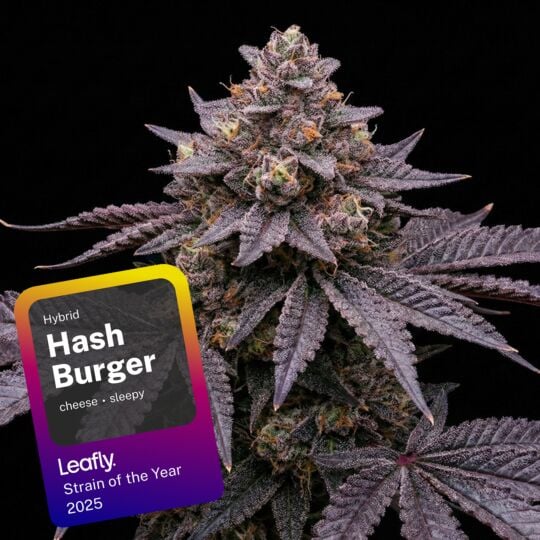 Hash Burger FeminizedBestsellerBuy one get one freeSpecial Price $47.20 was $59.00Variety: Mostly IndicaTHC Content: Very High (20-30%)In stock
 - 20 % OFFFem
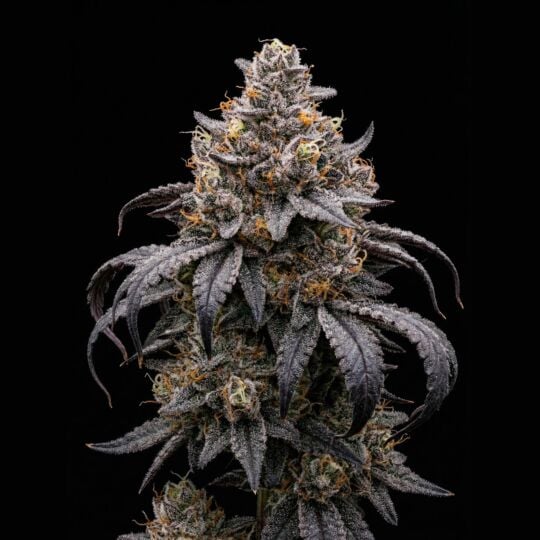 Gush Mints FeminizedBestsellerBuy one get one freeSpecial Price $47.20 was $59.00Variety: Mostly IndicaTHC Content: Very High (20-30%)In stock
 - 20 % OFFFem
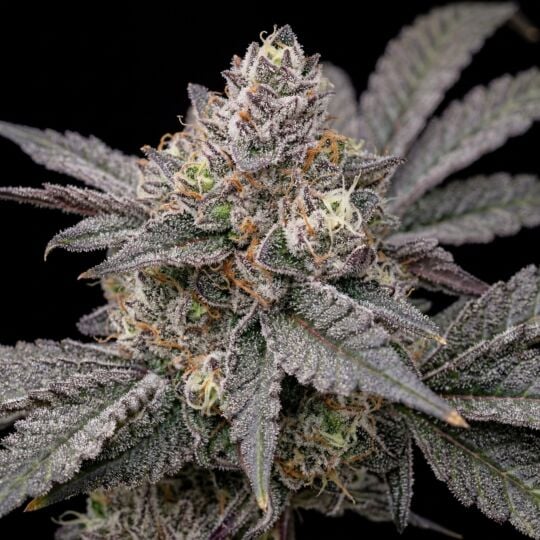 Dulce De Uva FeminizedBestsellerBuy one get one freeSpecial Price $47.20 was $59.00Variety: HybridTHC Content: Very High (20-30%)In stock
 - 20 % OFFFem
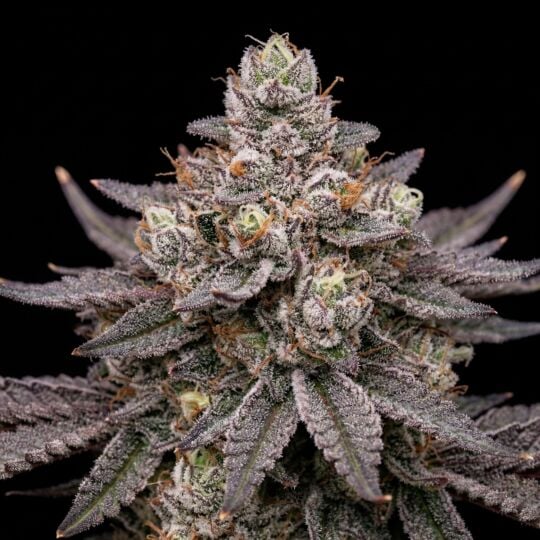 Blue Lobster FeminizedBestsellerBuy one get one freeSpecial Price $47.20 was $59.00Variety: Mostly IndicaTHC Content: Very High (20-30%)In stock
 - 20 % OFFFem
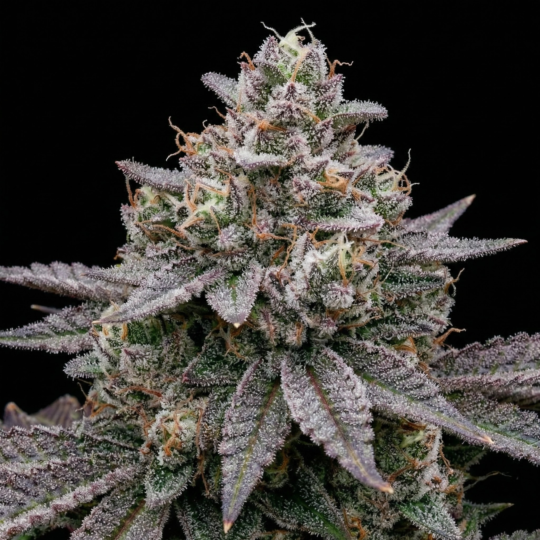 Lemon Cherry Gelato FeminizedBestsellerBuy one get one freeSpecial Price $47.20 was $59.00Variety: HybridTHC Content: Very High (20-30%)In stock
 - 20 % OFFFem
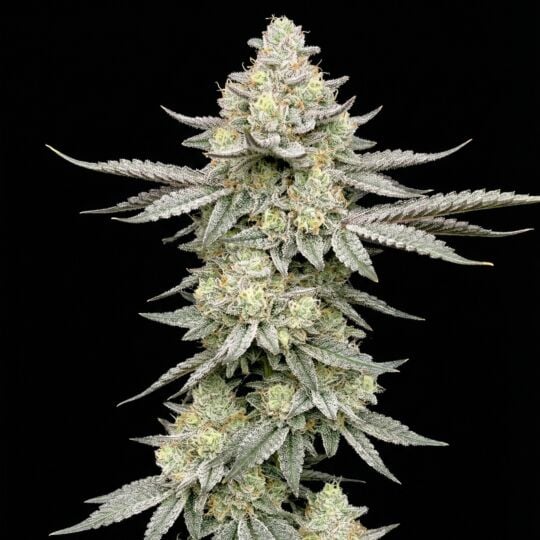 Blue Dream Feminized SeedsBestsellerBuy one get one freeSpecial Price $47.20 was $59.00Variety: HybridTHC Content: High (15-20%)In stock
 - 20 % OFFFem
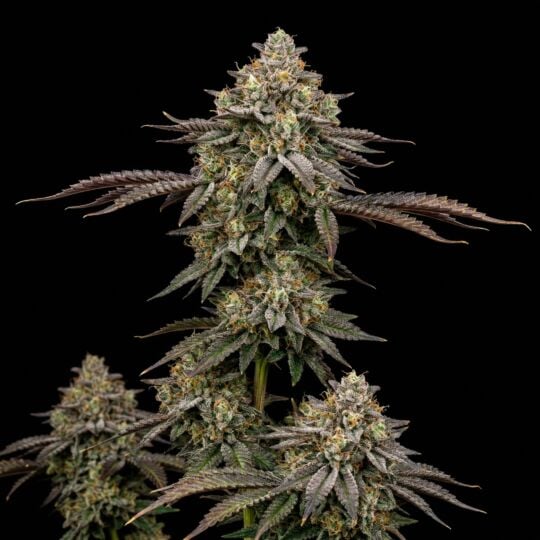 Godfather OG Feminized SeedsBestsellerBuy one get one freeSpecial Price $47.20 was $59.00Variety: Mostly IndicaTHC Content: Very High (20-30%)In stock
 - 20 % OFFFem
 Apple Fritter Feminized SeedsBestsellerBuy one get one freeSpecial Price $47.20 was $59.00Variety: HybridTHC Content: Very High (20-30%)In stock
 - 20 % OFFFem
 GG 4 x Zkittles Feminized SeedsBestsellerBuy one get one freeSpecial Price $47.20 was $59.00Variety: HybridTHC Content: Very High (20-30%)In stock
 - 20 % OFFFem Acapulco Gold Feminized SeedsBestsellerBuy one get one freeSpecial Price $47.20 was $59.00Variety: Mostly SativaTHC Content: High (15-20%)In stock
- 20 % OFFFem Super Boof FeminizedBestsellerBuy one get one freeSpecial Price $47.20 was $59.00Variety: HybridTHC Content: Very High (20-30%)In stock
- 20 % OFFFem Alaskan Thunderfuck Feminized SeedsBestsellerBuy one get one freeSpecial Price $47.20 was $59.00Variety: HybridTHC Content: High (15-20%)In stock
- 20 % OFFFem Ghost Train Haze FeminizedBestsellerBuy one get one freeSpecial Price $47.20 was $59.00Variety: Mostly SativaTHC Content: Very High (20-30%)In stock
- 20 % OFFFem Sour Diesel Feminized SeedsBestsellerBuy one get one freeSpecial Price $47.20 was $59.00Variety: HybridTHC Content: Very High (20-30%)In stock
- 20 % OFFFem Fruity Pebbles OG (FPOG) Feminized SeedsBestsellerBuy one get one freeSpecial Price $47.20 was $59.00Variety: Mostly IndicaTHC Content: Very High (20-30%)In stock
- 20 % OFFFem White Widow Feminized SeedsBestsellerBuy one get one freeSpecial Price $47.20 was $59.00Variety: HybridTHC Content: Very High (20-30%)In stock
- 20 % OFFFem Afghan Kush Feminized SeedsBestsellerBuy one get one freeSpecial Price $47.20 was $59.00Variety: HybridTHC Content: Very High (20-30%)In stock
- 20 % OFFFem Maui Wowie Feminized SeedsBestsellerBuy one get one freeSpecial Price $47.20 was $59.00Variety: HybridTHC Content: High (15-20%)In stock
- 20 % OFFFem Han Solo Burger FeminizedBestsellerBuy one get one freeSpecial Price $47.20 was $59.00Variety: Mostly IndicaTHC Content: Very High (20-30%)In stock
- 20 % OFFFem Green Crack Feminized SeedsBestsellerBuy one get one freeSpecial Price $47.20 was $59.00Variety: HybridTHC Content: High (15-20%)In stock
- 20 % OFFFem Northern Lights Feminized SeedsBestsellerBuy one get one freeSpecial Price $47.20 was $59.00Variety: Mostly IndicaTHC Content: High (15-20%)In stock
- 20 % OFFFem Durban Poison Feminized SeedsBestsellerBuy one get one freeSpecial Price $47.20 was $59.00Variety: SativaTHC Content: Very High (20-30%)In stock
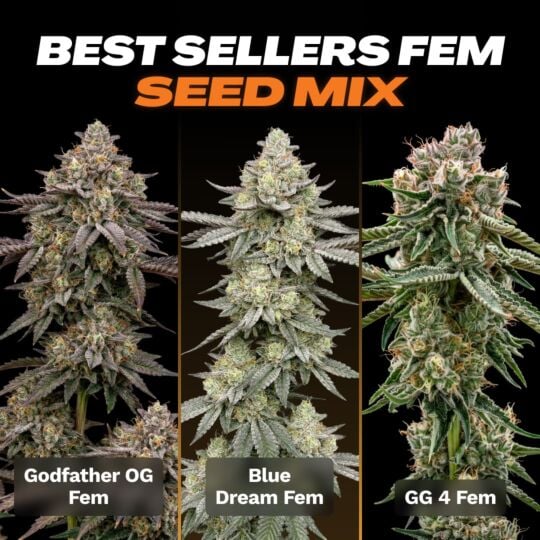
- 20 % OFFFem Best Sellers Feminized Seed MixBestsellerBuy one get one freeSpecial Price $52.00 was $65.00In stock
- 20 % OFFFem Granddaddy Purple Feminized SeedsBestsellerBuy one get one freeSpecial Price $47.20 was $59.00Variety: HybridTHC Content: Very High (20-30%)In stock
- 20 % OFFFem Wedding Cake Feminized SeedsBestsellerBuy one get one freeSpecial Price $47.20 was $59.00Variety: HybridTHC Content: Very High (20-30%)In stock
- Fem Do-si-Dos Feminized SeedsBuy one get one free$59.00Variety: HybridTHC Content: Very High (20-30%)In stock
- 20 % OFFFem GG #4 Feminized SeedsBestsellerBuy one get one freeSpecial Price $47.20 was $59.00Variety: HybridTHC Content: Very High (20-30%)In stock
- Fem Blackberry Kush Feminized SeedsBuy one get one free$59.00Variety: HybridTHC Content: High (15-20%)In stock
- 20 % OFFFem Banjo Candy FeminizedBestsellerBuy one get one freeSpecial Price $47.20 was $59.00Variety: Mostly SativaTHC Content: Very High (20-30%)In stock
- 20 % OFFFem Mimosa Cake FeminizedBestsellerBuy one get one freeSpecial Price $47.20 was $59.00Variety: Mostly SativaTHC Content: Very High (20-30%)In stock
- 20 % OFFFem Jet Fuel Gelato FeminizedBestsellerBuy one get one freeSpecial Price $47.20 was $59.00Variety: HybridTHC Content: Very High (20-30%)In stock
- 20 % OFFFem Doug’s Varin Feminized SeedsBestsellerBuy one get one freeSpecial Price $47.20 was $59.00Variety: Pure SativaTHC Content: Very High (20-30%)In stock
- 20 % OFFFem Girl Scout Cookies Feminized SeedsBestsellerBuy one get one freeSpecial Price $47.20 was $59.00Variety: HybridTHC Content: Very High (20-30%)In stock
- 20 % OFFFem White Truffle Ice Cream Feminized SeedsBestsellerBuy one get one freeSpecial Price $47.20 was $59.00Variety: Mostly IndicaTHC Content: Very High (20-30%)In stock
- 20 % OFFFem Bruce Banner Feminized SeedsBestsellerBuy one get one freeSpecial Price $47.20 was $59.00Variety: HybridTHC Content: Very High (20-30%)In stock
- 20 % OFFFem Diesel King FeminizedBestsellerBuy one get one freeSpecial Price $47.20 was $59.00Variety: Mostly SativaTHC Content: Very High (20-30%)In stock
- 20 % OFFFem Pure Kush FeminizedBestsellerBuy one get one freeSpecial Price $47.20 was $59.00Variety: IndicaTHC Content: High (15-20%)In stock
- 20 % OFFFem OG Kush Feminized SeedsBestsellerBuy one get one freeSpecial Price $47.20 was $59.00Variety: HybridTHC Content: Very High (20-30%)In stock
- Fem Blueberry Banger FeminizedBuy one get one free$59.00Variety: HybridTHC Content: Very High (20-30%)In stock